
Hurricane helene’s Fallen Trees: A Second Life in Wildfire Prevention and Timber production
Sawmills are turning disaster into opportunity by recycling trees downed by Hurricane Helene, aiding wildland firefighters and boosting domestic timber production.
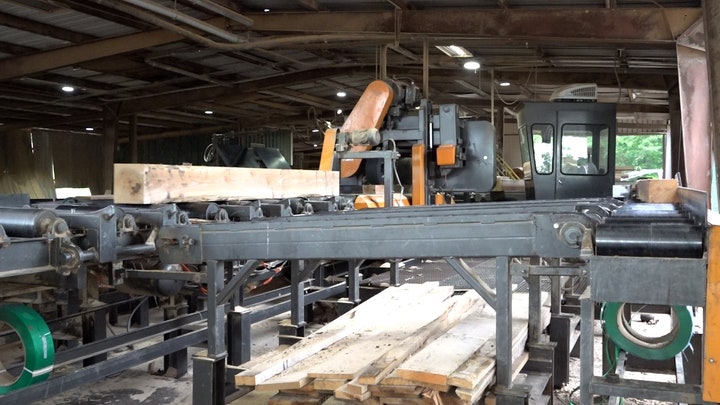
Sawmills are stepping in to clear forests of potential wildfire fuel left by Hurricane Helene debris.
Turning Disaster debris into a Resource
Following Hurricane Helene’s devastation,an innovative approach is underway to utilize the fallen timber. Instead of allowing the downed trees to decompose and possibly fuel wildfires, sawmills are stepping in to recycle this resource. This initiative not only aids in wildfire prevention but also contributes to domestic timber production.
Johnny Evans, owner of Evens Lumber Co. in Manchester, Tennessee, highlights the usability of many of the trees downed by the storm. Approximately 6% of the lumber produced at his facility originates from trees felled during natural disasters.
It’s a resource that god gave us, and we need to recycle it instead of letting it rot into the ground.Johnny evans, Owner of Evens Lumber Co.
Evans further emphasizes the importance of removing dead trees to mitigate the risk of forest fires, which can devastate both dead and healthy timber.
The Wildfire Threat Post-Helene
As hurricane Helene swept through the Great Smoky Mountains in September,the affected areas have experienced at least eight wildfires. The presence of downed trees significantly exacerbates the wildfire risk.
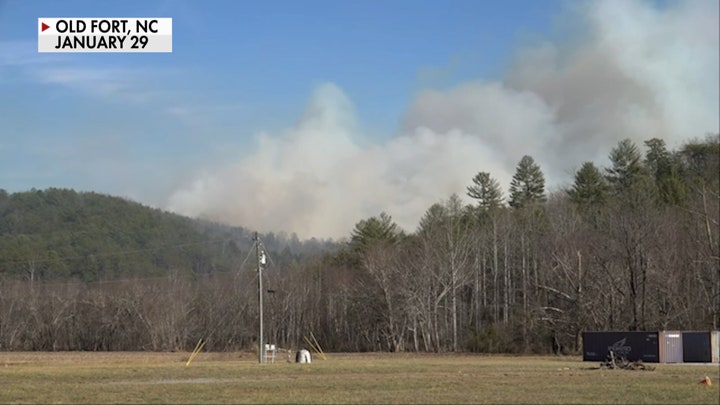
About 220 acres were burned in a January wildfire in Old Fort, North carolina four months after Hurricane Helene ripped through the region.
Did you know?
Dead trees take approximately three years to dry out enough to become significant wildfire fuel. However, even before they fully dry, they can obstruct firefighting efforts.
The Tennessee Department of Agriculture’s Forestry Division estimates that it could take at least three years for the thickest trees downed by Hurricane Helene to dry sufficiently to become potential wildfire fuel. Thes trees also impede firefighting efforts by obstructing bulldozers used to create firelines.
Those trees are there just blocking the dozers. So we have to send in crews to clear a path for the dozers, which is way slower than what we would ideally want to have happen.Megan Carpenter, Spokesperson for the Tennessee Department of Agriculture’s Forestry Division
Federal Support and Timber Production Boost
The U.S.Department of Agriculture (USDA) has allocated $23 million to clear dead trees from high-risk wildfire zones nationwide. The cleared timber will be sold to wood processing facilities for conversion into various products, including soil enrichment materials, construction materials, energy sources, and paper.
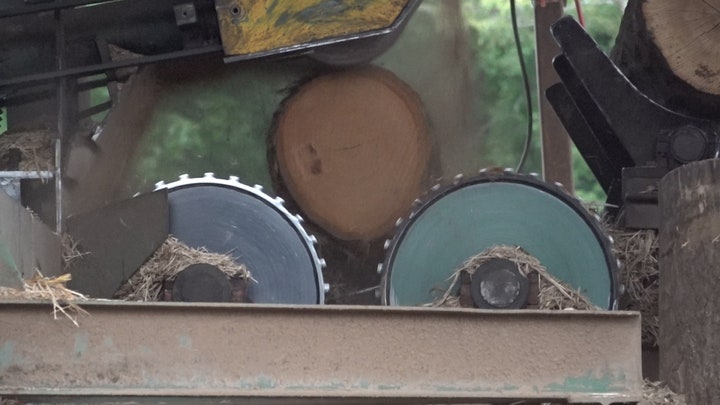
sawmills can recycle Hurricane Helene debris into mulch,construction materials,soil enrichment materials and paper.
This initiative aligns with a March executive order aimed at increasing domestic timber production by 25%.By removing potential wildfire fuel and supporting timber production, the USDA aims to protect vulnerable communities and bolster the economy.
Pro Tip
high-risk firesheds are prioritized for clearing to protect the most vulnerable communities first. The U.S.Forest Service is streamlining the permitting and contracting process for sawmills to facilitate access to the timber supply.
