
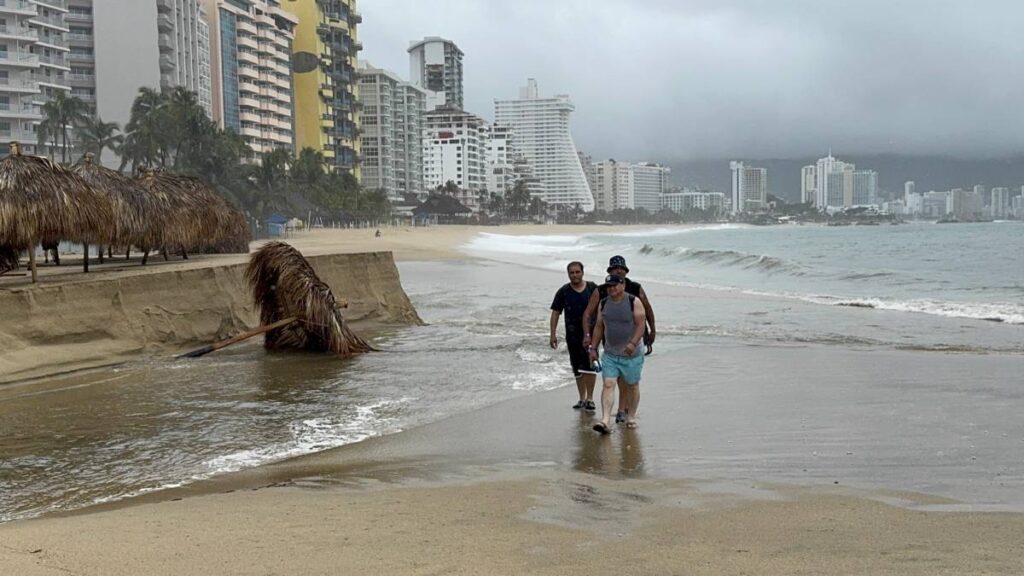
Tropical Storm Dalila Unleashes Flooding and Destruction in Acapulco
Table of Contents
- Tropical Storm Dalila Unleashes Flooding and Destruction in Acapulco
- Flooding in Diamond Area Subdivisions
- coastal Restaurants Devastated by Strong Waves
- Maritime Incidents in Acapulco Bay
- Storm’s Current Location and Future Forecast
- preparing for Future Storms
- Understanding Tropical Storms: An Evergreen Perspective
- Frequently Asked Questions About Tropical Storms and Acapulco Flooding
- What is a tropical storm?
- How does a tropical storm become a hurricane?
- what causes flooding in Acapulco during tropical storms?
- What can residents do to prepare for a tropical storm?
- How can businesses protect themselves from storm damage?
- Were can I find reliable information about tropical storms?
Acapulco is grappling with the aftermath of Tropical Storm dalila, which brought torrential rains and powerful winds, causing widespread flooding and destruction across the popular tourist destination. The storm’s impact has been felt in residential areas, coastal businesses, and maritime operations.
Flooding in Diamond Area Subdivisions
The Diamond area of Acapulco experienced significant flooding, with subdivisions like Mission of the Sea and Luis Donaldo Colosio reporting water levels reaching up to 30 centimeters. Residents are dealing with flooded homes and disrupted routines as they work to recover from the storm’s impact.
Did you Know? Acapulco is a major tourist destination in Mexico, attracting millions of visitors each year. The city’s infrastructure is often tested during the rainy season.
coastal Restaurants Devastated by Strong Waves
The Revolcadero Beach strip suffered considerable damage as strong waves caused the collapse of five small restaurants. Concrete blocks from the undermined structures litter the beach, highlighting the force of the storm. The destruction has left business owners facing significant losses and the challenge of rebuilding their establishments.
Maritime Incidents in Acapulco Bay
In Acapulco Bay, high waves led to the collapse and dragging of palapas and beach furniture. The Port Captaincy reported the sinking of at least two small vessels on the Malecon, underscoring the dangerous conditions created by the storm. Maritime authorities are working to assess the full extent of the damage and ensure the safety of navigation.
Pro Tip: stay informed about weather alerts and heed the advice of local authorities during severe weather events. Your safety is the top priority.
Storm’s Current Location and Future Forecast
As of Saturday, Tropical Storm Dalila was located 345 kilometers southwest of Zihuatanejo and 260 kilometers south-southwest of Telmo, michoacán. civil Protection authorities have warned that the rains will continue throughout the weekend, primarily affecting Acapulco and the Costa Grande de Guerrero. Torrential rains with wind gusts of up to 90 kilometers per hour are possible according to the National Hurricane Center.
| Location | Impact |
|---|---|
| Diamond Area Subdivisions | Flooding up to 30 cm |
| Revolcadero Beach | Collapse of 5 restaurants |
| Acapulco Bay | Sinking of 2 vessels |
preparing for Future Storms
Acapulco residents and businesses are urged to take precautions and prepare for potential future storms. Securing property, staying informed about weather updates, and following the guidance of emergency responders are crucial steps in mitigating the impact of severe weather events.
What measures can be taken to better protect coastal businesses from storm surges? How can residents prepare their homes for potential flooding?
Understanding Tropical Storms: An Evergreen Perspective
Tropical storms, like Dalila, are a recurring threat to coastal communities around the world. these storms form over warm ocean waters and can bring devastating winds, heavy rainfall, and storm surges. Understanding the dynamics of tropical storm formation and the factors that influence their intensity is crucial for effective disaster preparedness and mitigation.
The intensity of tropical storms is influenced by factors such as sea surface temperature, atmospheric conditions, and wind patterns. Climate change is also believed to be playing a role in the increasing frequency and intensity of these storms, making it even more vital for coastal communities to invest in resilience measures.
Frequently Asked Questions About Tropical Storms and Acapulco Flooding
What is a tropical storm?
A tropical storm is a cyclonic storm that forms over tropical or subtropical waters, with sustained winds between 39 and 73 miles per hour.
How does a tropical storm become a hurricane?
A tropical storm becomes a hurricane when its sustained winds reach 74 miles per hour or higher.
what causes flooding in Acapulco during tropical storms?
Heavy rainfall, storm surges, and inadequate drainage systems can all contribute to flooding in Acapulco during tropical storms.
What can residents do to prepare for a tropical storm?
Residents can prepare by securing their homes, stocking up on emergency supplies, and staying informed about weather updates.
How can businesses protect themselves from storm damage?
Businesses can protect themselves by reinforcing structures,developing evacuation plans,and securing outdoor equipment.
Were can I find reliable information about tropical storms?
Reliable information can be found on the National Hurricane Center website and from local news and weather outlets.
Stay informed, stay safe, and share this article to help others prepare for severe weather events. Subscribe to our newsletter for the latest updates!
