
Hungary Electricity Mix 2026 Lignite Phase Out Update
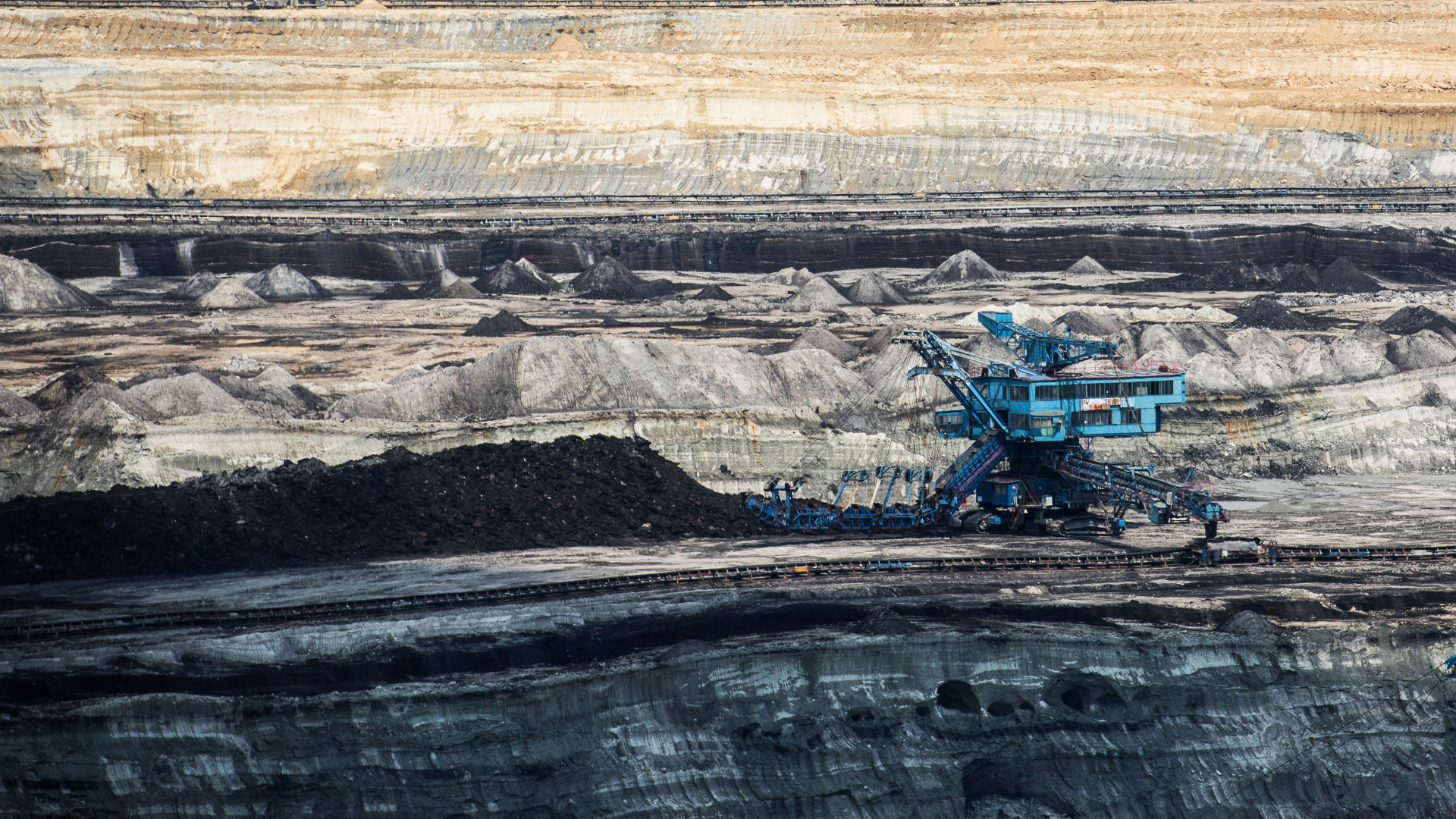
The Mátrai Power Plant’s lignite capacity has contracted by 242.3 MW in early 2026, marking a decisive pivot in Hungary’s energy mix as state utility MVM Group accelerates decarbonization mandates. With coal’s share of domestic generation plummeting to 3.1%, the fiscal focus shifts immediately to the capital expenditure required for the 535 MW gas replacement and critical battery storage integration to maintain grid inertia.
For institutional investors tracking Central European utilities, the writing is on the wall: lignite is no longer a baseload asset; it is a stranded liability. The latest data from MAVIR, Hungary’s transmission system operator, confirms a brutal contraction in thermal capacity. We aren’t witnessing a gradual decline; we are seeing an accelerated write-down of legacy infrastructure. The gross installed capacity for coal and lignite has plummeted to 684 MW, a stark drop from the 1,166 MW recorded just prior to the 2022 energy crisis. This isn’t merely an environmental compliance play; it is a balance sheet restructuring.
The fiscal problem here is twofold. First, the immediate loss of cheap, albeit dirty, baseload power creates a supply gap that must be filled by higher-margin gas imports or capital-intensive renewables. Second, the volatility introduced by replacing steady thermal output with intermittent solar requires expensive grid-balancing solutions. This is where the market opportunity lies for specialized energy infrastructure firms capable of managing complex hybrid plant transitions.
The Capital Expenditure Pivot: Gas vs. Storage
MVM Group is not simply shutting down Mátrai; they are rebuilding the engine while the car is moving. The replacement strategy involves a 535 MW combined-cycle gas turbine (CCGT) plant, supplemented by 200 MW of solar capacity. However, the real story for traders isn’t the generation capacity; it’s the storage. The National Energy and Climate Plan (NECP) mandates a complete coal phase-out by 2029, but the grid cannot handle 8,500 MW of solar without massive buffering.
Enter the battery storage sector. In the first two months of 2026 alone, Hungary’s installed battery storage capacity more than doubled, surging from 146 MW to 348.2 MW. This rapid deployment signals a desperate need for frequency regulation services. Traditional thermal plants provided inertia naturally; solar panels do not. To solve this, grid operators are forced to procure synthetic inertia from battery providers, driving up operational expenditures for utilities while creating a lucrative revenue stream for storage technology vendors.
“The transition from lignite to gas in the Visegrád region is creating a specific arbitrage opportunity. The margin isn’t in generation anymore; it’s in the flexibility to balance the intermittency of 8.5 GW of solar. We are seeing EPC firms pivot rapidly to offer ‘grid stability as a service’ rather than just construction.”
— Senior Analyst, Central European Energy Fund
While the government maintains a strategic reserve of lignite for energy security—citing Hungary’s significant domestic coal reserves—the economics simply do not support reactivation without prohibitive carbon pricing. The CO2 emission costs have rendered the old blocks uncompetitive, dropping their contribution to the national mix from 14% a decade ago to a negligible 3.1% today. Even the recent energy crisis failed to reverse this trend, proving that the market has priced in the obsolescence of thermal coal.
Three Structural Shifts Reshaping the Hungarian Grid
The decline of Mátrai is a microcosm of a broader regional shift. Based on the Q1 2026 data from MAVIR and the Ministry of Innovation and Technology, three distinct macro-trends are emerging that corporate treasurers and energy procurement officers must address immediately.
- The Volatility Premium: As gas-fired capacity rises to 3,086 MW to backstop solar, exposure to European TTF gas price fluctuations increases. Companies reliant on fixed-price energy contracts face renewal shocks. This necessitates engagement with financial risk management consultancies to hedge against commodity price spikes.
- Decommissioning Liabilities: Shutting down 242 MW of thermal capacity triggers massive environmental remediation costs. The site cleanup and repurposing of the Mátrai complex require specialized environmental remediation firms to handle soil decontamination and asbestos abatement before modern construction can break ground.
- Grid Modernization CAPEX: The surge in distributed generation (HMKE) and the doubling of battery storage indicate a fragmented grid. Maintaining transmission stability requires advanced software solutions for load forecasting and automated demand response, opening a B2B market for grid optimization software providers.
while nuclear power from Paks remains the stable anchor at 42% of the mix, its share is effectively capped until Paks II comes online. In the interim, the burden of flexibility falls entirely on gas and batteries. The data shows that oil-based capacity actually increased by 10.8 MW to 438.3 MW, a counter-intuitive move likely driven by the need for emergency peak shaving during the winter demand spike. This suggests that despite the green rhetoric, energy security remains the primary driver of CAPEX allocation.
The B2B Opportunity in Transition
For the B2B sector, the Mátrai transition represents a multi-billion euro procurement cycle over the next three years. The shift is not just about building power plants; it is about re-engineering the industrial ecosystem. The “strategic reserve” status of lignite implies that the infrastructure will remain, even if idle. This creates a unique niche for firms specializing in mothballing and asset preservation, ensuring that these massive industrial complexes do not develop into immediate liabilities on the state’s balance sheet.

the integration of biomass and waste-to-energy units (adding 15.9 MW to reach 460.4 MW) highlights a growing circular economy trend. Industrial manufacturers with high waste outputs are now potential energy suppliers. This convergence of waste management and energy production requires legal and operational frameworks that few generalist firms can navigate. Specialized corporate law firms with expertise in EU energy regulation and cross-border waste transport are seeing increased demand.
The import dependency ratio has climbed to 31%, up from 27.4% year-over-year. This leakage of capital out of the domestic economy is a political pain point that will drive further subsidies for local storage and generation. For private equity firms looking at the region, the target is clear: acquire or partner with local grid-balancing assets before the regulatory framework tightens further in 2027.
The Bottom Line: The slow death of the Mátrai Power Plant is not a tragedy; it is a liquidation event. The capital tied up in lignite is being redeployed into gas and storage, creating a volatile but high-yield environment for agile market participants. The winners in this cycle won’t be the generators, but the enablers—the firms providing the risk hedging, the environmental cleanup, and the grid intelligence to maintain the lights on. As Hungary moves toward its 2029 deadline, the directory of vetted B2B partners capable of executing this transition becomes the most valuable asset on the balance sheet.