Human Rights Groups Sue Trump Administration Over Sanctions Against International Criminal Court
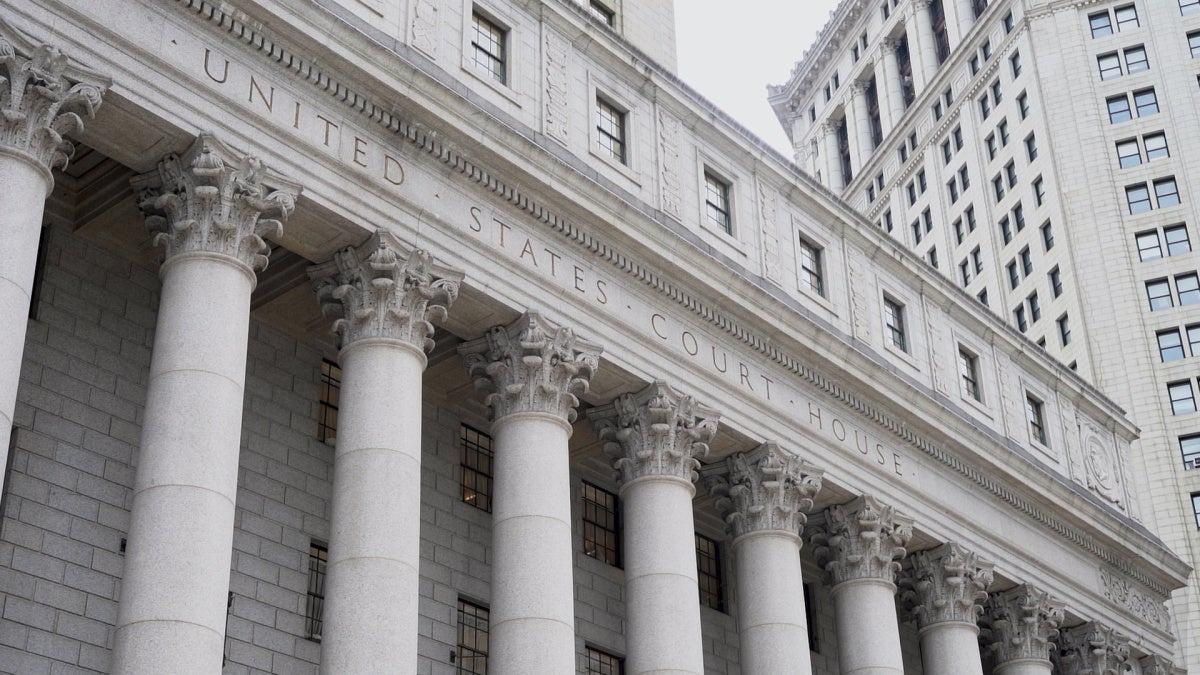
Four major human rights organizations filed a federal lawsuit in the Southern District of New York on August 11, 2026, challenging the Trump administration’s sanctions against ICC prosecutors, judges, and associated personnel. According to the complaint, the sanctions regime violates the First and Fifth Amendment rights of civil society groups and infringes upon statutory protections under the Religious Freedom Restoration Act.
Challenging the Executive Order in Federal Court
The legal action targets President Donald Trump’s February 6, 2025 executive order, which authorized financial penalties and travel bans against ICC officials, judges, and associated personnel. Plaintiffs in the lawsuit include the American Friends Service Committee, the Center for Constitutional Rights, Human Rights Watch, and the Open Society Institute, operating as part of the Open Society Foundations.
According to the plaintiffs, the administration’s actions constitute an illegal attack on international justice. Andrew Loewenstein of Foley Hoag LLP, serving as lead counsel for the plaintiffs, stated that the executive order causes widespread harm across civil society groups dedicated to bringing perpetrators of grave crimes to accountability.
“The US government’s efforts to dismantle the ICC and punish people seeking justice for grave human rights violations harm far more than the individuals and groups facing sanctions,” said Joyce Ajlouny, General Secretary of the American Friends Service Committee. “It is an affront to all victims and survivors of war crimes and genocide.”
Impact on Global Investigations and Civil Society
The International Criminal Court currently maintains 18 active investigations worldwide, spanning regions including Afghanistan, the Central African Republic, the Democratic Republic of Congo, Libya, the Philippines, Sudan’s Darfur region, and Ukraine. Among these is an active inquiry into Palestine that led the court to issue arrest warrants for Israeli Prime Minister Benjamin Netanyahu and former Defense Minister Yoav Gallant on charges of war crimes and crimes against humanity.

The sanctions framework has created severe operational hurdles for organizations providing aid or legal counsel. Designated individuals and Palestinian human rights groups face frozen bank accounts, rejected financial transactions, and digital service denials. Under current regulations, U.S. organizations face potential prison sentences of up to 20 years and substantial financial penalties for providing services to sanctioned entities.
Escalation and International Pushback
Secretary of State Marco Rubio, who outlined efforts to dismantle the court through increased sanctions and diplomatic pressure on ICC member states. The administration maintains that ICC investigations into U.S. and allied personnel present a challenge to national sovereignty.
Despite these measures, the executive order has encountered substantial domestic and international resistance. Throughout 2025, federal courts in New York and Maine issued rulings finding that the executive order violated the First Amendment, halting enforcement of the sanctions against specific plaintiffs in those actions. Furthermore, bodies including the European Union, United Nations experts, and the Assembly of States Parties have criticized the measures as an obstruction of independent judicial proceedings.
As the litigation proceeds in federal court, the outcome will determine the extent to which executive branch sanctions can reach domestic advocacy organizations supporting international accountability mechanisms. The lawsuit underscores an ongoing constitutional struggle over the boundaries of executive authority, free expression, and the protection of global human rights defenders.