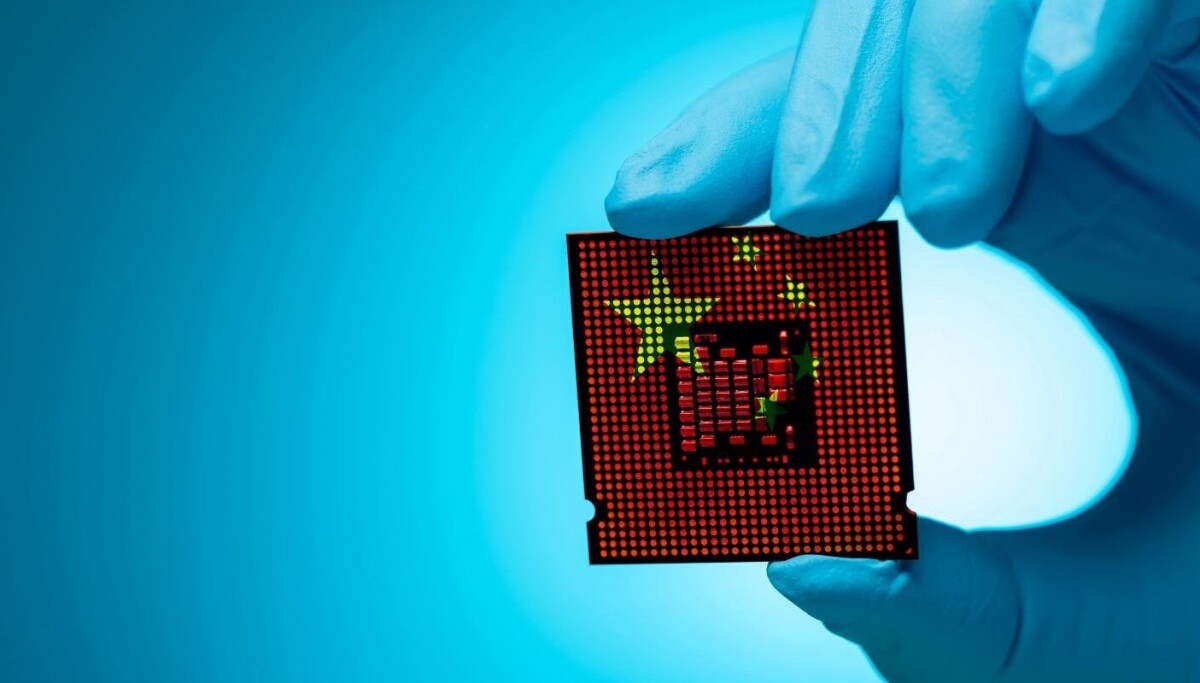
Huawei Unveils Qingyun HM650 Series Desktop PC With HarmonyOS
Huawei Unveils 100 Percent Chinese Desktop PC
Huawei Technologies launched a desktop computer built with entirely domestic components, marking a major push for technological self-reliance amidst ongoing trade restrictions, The Register reported.
The company unveiled the Qingyun HM650 series last week, featuring its proprietary Kirin X90 processor and an enterprise-focused version of HarmonyOS.
The Tech TL;DR:
- Huawei’s new Qingyun HM650 and HM650G desktops run on the ten-core, twenty-thread Kirin X90 processor clocked at 2.3 GHz.
- The hardware runs a corporate edition of HarmonyOS, utilizing domestic components verified by Zhejiang Kezheng Electronic Information Product Inspection.
HM650 Series Hardware Lineup Splits into Enterprise and Government SKUs
The hardware lineup splits into two primary commercial SKUs: the HM650 for general enterprise deployments and the HM650G targeted explicitly at government buyers, according to Pandaily reporting from the show floor. Phoenix Tech cited Huawei materials indicating that standard configurations bundle 16GB of memory with 512GB of solid-state storage.
Zhu Dongdong, the President of the Huawei PC and Tablet lineup, delivered a keynote address at the summit. He stated that the HM650 series combines in-house silicon, a self-developed operating system, and large-scale hardware manufacturing to achieve its domestic certification. HarmonyOS applications have now surpassed 21,000 titles spanning office, AI, education, entertainment and creative use cases, IT Home reported at the event.
Domestic Component Certification Faces Intellectual Property Ambiguity
Zhejiang Kezheng Electronic Information Product Inspection verified the 100 per cent Chinese-component claim. This certification confirms that the physical components are domestically manufactured, though uncertainty remains regarding whether every underlying design originates within China, The Register noted. Non-Chinese multinational corporations continue to operate manufacturing facilities inside the country, leaving the origin of certain foundational intellectual properties ambiguous.
Intel, AMD, and Qualcomm are struggling as the wider personal computer market contracts due to rising memory costs, making the loss of massive public-sector procurement opportunities in China a notable blow, according to The Register.
HarmonyOS V1.0 Integrates Xiaoyi AI Assistant and Kirin X90 Silicon
The pre-installed enterprise version of HarmonyOS V1.0 integrates the Xiaoyi AI assistant. The software helps users find information, draft documents, organize local files, transcribe meetings, and generate summaries. The platform also supports file sharing and integration with compatible Huawei devices.
The Kirin X90 silicon carries a Grade II security and reliability certification. The hardware architecture utilizes a dual-layer cooling design intended to maintain thermal limits during demanding engineering simulations and heavy software development tasks, Pandaily noted.

Ecosystem Expansion and Related Launches
The new desktop devices build upon a growing portfolio of domestic hardware that includes the MateBook Pro, which debuted last year as the first HarmonyOS laptop.
The MateBook Fold PC subsequently became the world’s first 18-inch folding-screen laptop and accounts for the highest share of Huawei’s PC sales, while total HarmonyOS laptop shipments have surpassed 1 million units since 2025. Huawei is currently developing a pocket PC device featuring a cover screen, which is slated to debut by the end of the year.