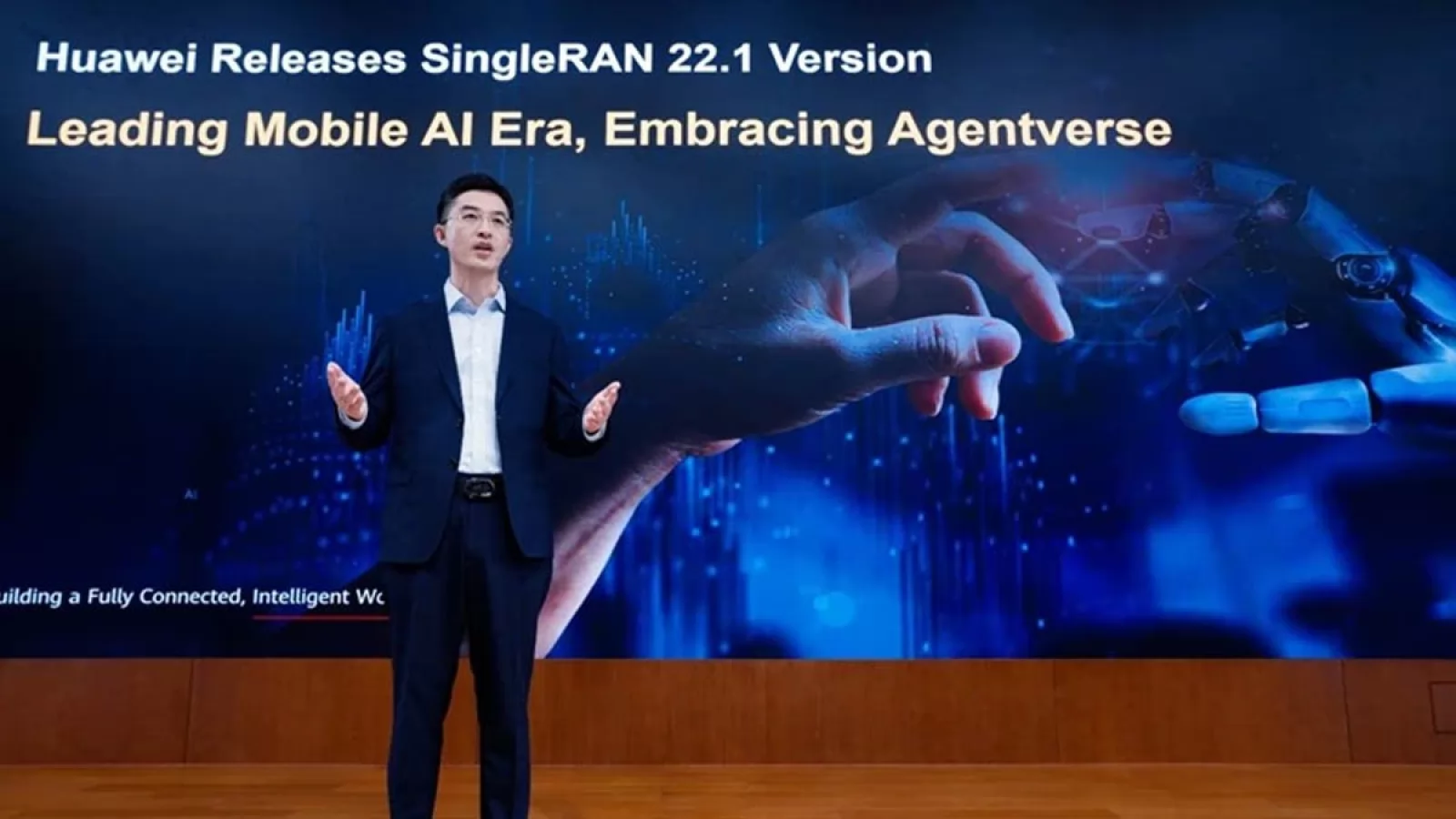
Huawei Boosts 5G Upload Speeds by 30% with New SingleRAN 22.1 Technology
Huawei has announced that its SingleRAN 22.1 technology is capable of increasing 5G uplink performance by more than 30%. The solution, designed to support data-intensive artificial intelligence applications, is currently deployed across networks in 23 countries, according to reports from Mobilissimo.ro.
## Technical Improvements in SingleRAN 22.1
The SingleRAN 22.1 architecture focuses on optimizing spectrum efficiency to address the growing demand for high-speed data transmission required by modern AI workloads. By refining how network resources are allocated, the technology enables a significant boost in upload speeds, a critical metric for businesses and users transmitting large datasets to cloud-based AI models. This improvement is achieved through software-defined enhancements to existing infrastructure, allowing operators to upgrade their capabilities without requiring a complete hardware overhaul.
## Global Deployment and AI Integration
The adoption of this technology has reached 23 countries, reflecting an industry-wide push to modernize 5G networks for the AI era. These deployments are largely focused on urban centers and industrial zones where the density of connected devices and the need for low-latency, high-bandwidth communication are highest.
The integration of SingleRAN 22.1 comes as telecommunications providers seek to move beyond standard consumer broadband services toward specialized enterprise solutions. By improving the uplink, Huawei’s technology allows for faster synchronization between local edge devices and centralized AI processing clusters. This capacity is essential for real-time analytics, remote monitoring, and autonomous systems that rely on constant, high-volume data streams.
## Next Steps for Network Operators
While the technology is currently active in 23 markets, the broader transition to AI-ready 5G infrastructure remains ongoing. Operators using the SingleRAN platform are now assessing the performance gains in varied network environments to determine the timeline for further site upgrades. The manufacturer continues to provide software updates and technical support to these carriers as they integrate the new uplink protocols into their existing commercial 5G spectrum allocations.