HT: India Logs 1/4 of Global Pneumonia Cases; Doctor Urges Early Detection
India records nearly a quarter of the world’s community-acquired pneumonia cases — an estimated four million annually — and roughly one in five of those patients require hospital admission. Among children under five, the disease and related respiratory infections claim well over a lakh of lives each year.
Why does risk rise after Diwali?
Fine particulate matter irritates airways and weakens the lungs’ ability to clear microbes, while polluted air dulls immune cells that normally remove bacteria, Hindustan Times reported. “”
What turns a cough into a crisis?
Pneumonia seldom begins with alarm. Ginger tea, steam inhalation and leftover antibiotics from a previous illness frequently fill the waiting period. Each day of delay allows the infection to move deeper into the lungs, turning a case treatable with oral medication at home into one requiring supplemental oxygen and inpatient care.

Which warning signs demand a chest check?
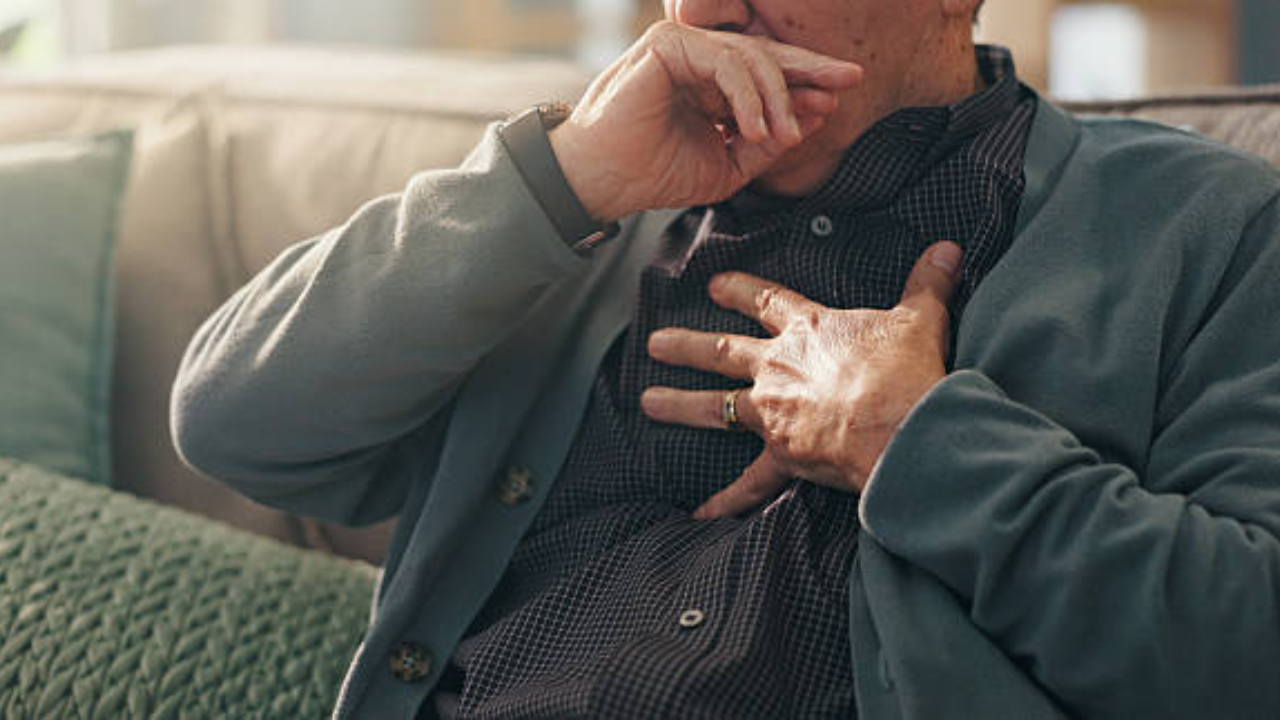
Fever accompanied by breathlessness, chest pain on breathing in or coughing, and rapid breathing even at rest warrant a clinical examination and, where indicated, a chest X-ray and an oxygen saturation reading, Hindustan Times reported. In older adults, unusual weakness, confusion, or loss of appetite can be the only clues.
Who is most often missed?
Children, older adults, smokers and people with diabetes, asthma or heart disease form the recognised high-risk core, Hindustan Times reported. Pregnancy alters immune response and limits space for lung expansion, while a faster breathing rate means greater intake of polluted air.
What changes at the system level?
Influenza and pneumococcal vaccines lower the risk of severe disease, particularly among older adults and those with chronic conditions. Antibiotic stewardship matters, since self-medication can mask illness, delay diagnosis and add to antimicrobial resistance.
What practical steps reduce exposure?
Air quality advisories should be paired with guidance to use well-fitted N95 masks instead of loose cloth ones, avoid early-morning outdoor exercise on heavily polluted days, keep indoor burning to a minimum, and use purifiers in bedrooms where feasible, Hindustan Times reported. Warm fluids and proper nutrition support the body’s defences.
How do symptoms differ from flu?
Pneumonia can be tricky to identify as initially the symptoms can be similar to other common respiratory infections. Early symptoms include coughing, fever, shivering, tiredness and poor appetite. As the infection worsens, patients may notice a continued cough with mucus, chest pain when breathing or coughing, fast breathing and shortness of breath. Some elderly patients may feel confused and extremely weak rather than having a high temperature.