HRW Urges ICC States to Defend Court Independence Amid US Sanctions Pressure
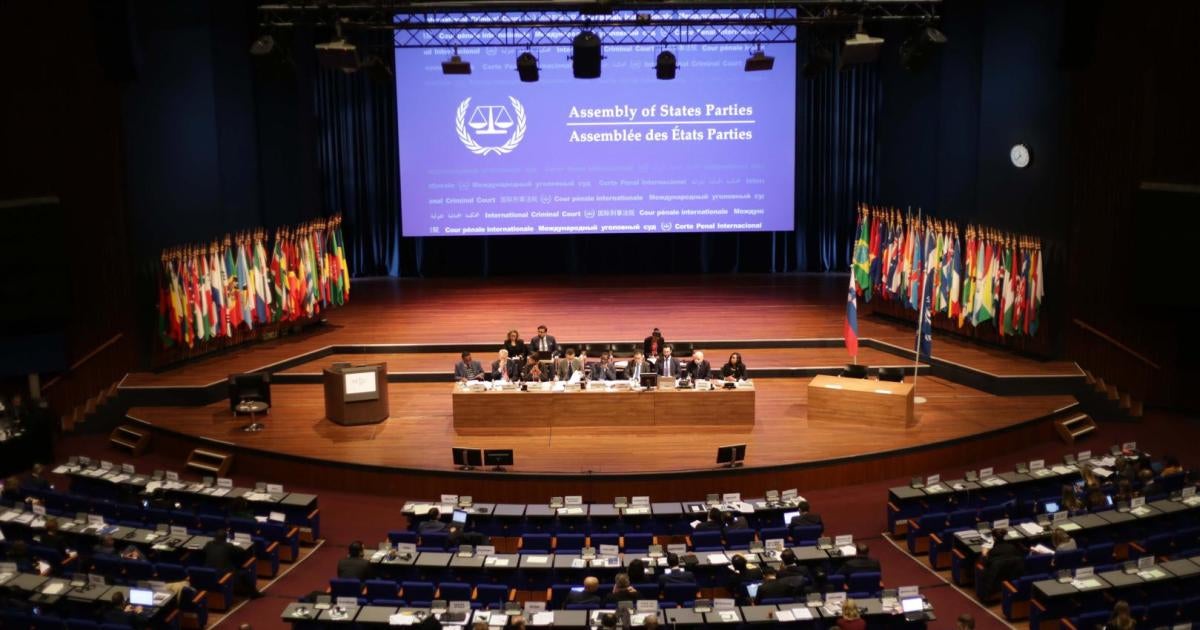
Human Rights Watch called on International Criminal Court member states to defend the court’s independence at the Assembly of States Parties opening Monday in The Hague, warning that U.S. sanctions and diplomatic pressure risk hollowing out the court’s mandate, the organization reported.
The session convenes as the Trump administration enforces court-wide sanctions imposed October 9 under a February 2025 executive order, targeting the ICC, its judges, prosecutors and cooperating organizations. U.S. Secretary of State Marco Rubio said the measures aim to shield American nationals from investigation and prosecution. The administration has also objected to the court’s investigation of Israeli nationals, including arrest warrants issued for Prime Minister Benjamin Netanyahu and former Defense Minister Yoav Gallant over alleged crimes in Gaza.
“At the session, member countries should stand firmly by the court and not take steps that could curtail victims’ access to justice,” said Liz Evenson, international justice director at Human Rights Watch.
The U.S. has offered a six-month authorization for certain transactions with the court, which Human Rights Watch described as an ultimatum for states parties to negotiate a solution addressing American demands. Media reports indicate some countries have discussed curbing the court’s jurisdiction over nationals of non-member states or exempting heads of state from prosecution. “Offering the US government solutions that would hollow out the court’s mandate and guarantee impunity for certain powerful individuals would severely undermine the legitimacy and credibility of the ICC and the international justice system,” the organization said in its 24-page report.
The Assembly opens the same day the landmark trial of former Philippine President Rodrigo Duterte is scheduled to begin. Evenson said the concurrent start “should remind member countries of the court’s critical importance.”
Human Rights Watch also urged the European Union to activate its Blocking Statute to shield European operators from extraterritorial sanctions. Seven lawsuits challenging the U.S. sanctions regime have been filed in federal court, including one by Human Rights Watch and three other organizations on August 11. A range of rights groups, experts and former U.S. officials have filed amicus briefs supporting the suit.
Meanwhile, seven countries — Niger, Burkina Faso, Mali, Venezuela, Chad, Nauru and Tajikistan — have notified the court of withdrawal over the past year. While not all departures are linked to U.S. pressure, Tajikistan’s November 20 notification followed its second failure to arrest Russian President Vladimir Putin during a visit and surrender him to the ICC, as required under the Rome Statute.
Putin faces war crimes charges for the unlawful deportation and forcible transfer of children from occupied Ukraine to Russia.
“US efforts to press countries to withdraw from the Rome Statute are both an attack on states that have chosen to become ICC members and on international justice itself,” Evenson said. “The Trump administration has little standing with respect to either.”
The Assembly agenda also includes electing six of the court’s 18 judges and setting the process for the next prosecutor election in December 2027. The Assembly removed Prosecutor Karim Khan from office on July 24 for serious misconduct and serious breach of duty.
“Member countries should demonstrate that they reject the idea of a world where might makes right,” Evenson said.