How Weight-Loss Giants Infiltrated Fashion and Pop Culture
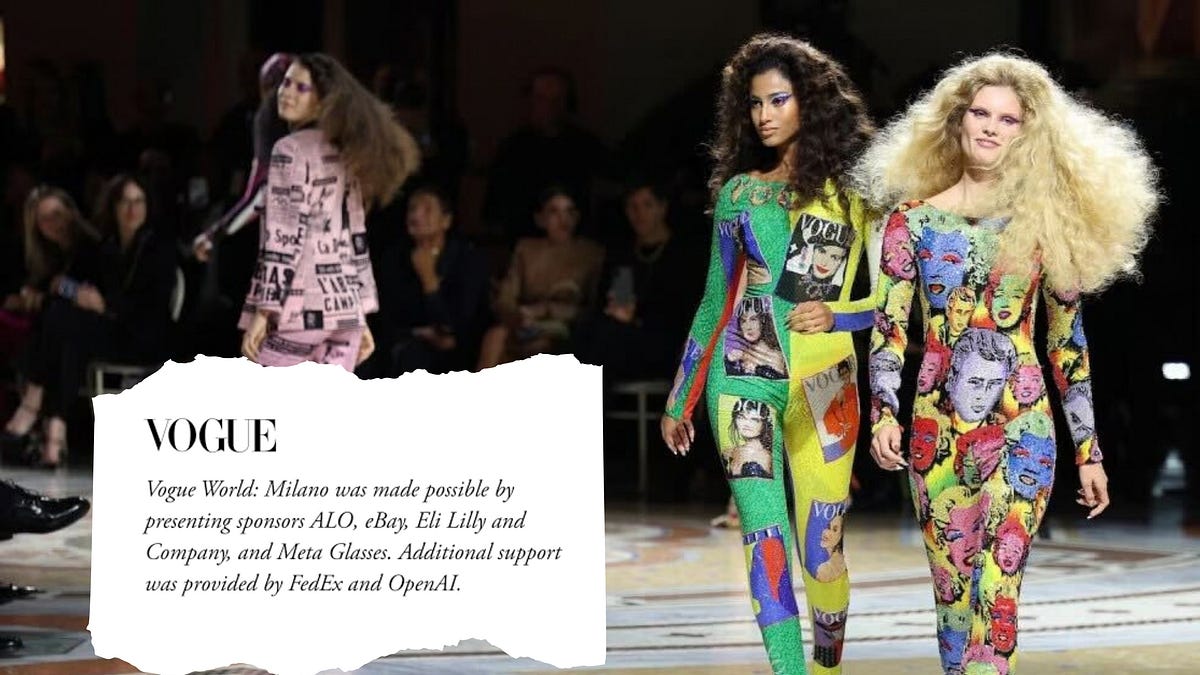
Weight-loss medication manufacturer Eli Lilly sponsored Vogue World in Milan as part of a broader corporate marketing push that pairs pharmaceutical brands with high-fashion events, Open Magazine reported. The event highlighted a growing intersection between the pharmaceutical industry and luxury fashion, raising public health concerns over body image representation and drug access disparities.
-
Key Clinical Takeaways:
- Eli Lilly corporate sponsorships at major cultural events like Vogue World and the Met Gala promote brand awareness for GLP-1 receptor agonists without explicitly naming specific medications.
- Clinical observers note that linking pharmaceutical brands to elite fashion runways where models are perceived as thin can reinforce narrow beauty standards and increase societal body dissatisfaction.
- Supply and distribution pressures tied to the commercial success of weight-loss drugs have impacted access to necessary treatments for patients with other conditions, such as type 1 diabetes.
Eli Lilly Enters the Fashion Runway
Pharmaceutical company Eli Lilly, valued at approximately $1.48 trillion, secured a corporate partnership with Vogue World in Milan over the weekend. Open Magazine reported that the sponsorship promoted the corporate name rather than a particular medicine, with a Condé Nast source drawing a distinction between the corporate presence and drug advertising. Eli Lilly representatives stated that the association aimed to support health and challenge the stigma faced by people with obesity. However, the corporate promotion coincided with historic lows in body diversity on the runway, cheekmedia.substack.com reported.
Decline in Runway Body Diversity
Data from the Vogue Business Report cited by cheekmedia.substack.com indicates that plus-size and mid-size representation accounted for just 0.3 percent of total presentations across Fall/Winter 2026 collections. The same report revealed that 34 percent of mid-size and 68 percent of plus-size respondents felt alienated by the fashion industry due to their size. Writer and disability advocate Carmen Azzopardi described the partnership between the fashion industry and weight-loss drug manufacturers to cheekmedia.substack.com as completely unethical and embarrassing.
GLP-1 Drugs Expand into Entertainment and Sports Marketing
The cultural footprint of GLP-1 receptor agonists extends well beyond runways into entertainment and sports partnerships. Eli Lilly has sponsored Oprah Winfrey’s live event tour, the Hollywood Reporter Producers Dinner, and the LA28 Olympic and Paralympic Games. In sports marketing, telehealth platform Ro featured tennis star Serena Williams in a Super Bowl campaign as a GLP-1 patient ambassador, Open Magazine reported. Dr. Rebekka Hoffman, a specialist general practitioner and fellow of the Royal Australian College of General Practice, told cheekmedia.substack.com that the presence of weight-loss sponsors at events creates a presumption that thin models use the medications, while community events like Vivid Sydney target young parents seeking quick-fix solutions.

Novo Nordisk Shifts Focus Away from Certain Insulin Products
The commercial expansion of GLP-1 medications has created downstream supply disruptions for other chronic conditions. Carmen Azzopardi told cheekmedia.substack.com that the insulin she relies on to manage her type 1 diabetes is being discontinued by Novo Nordisk—a manufacturer that also produces Ozempic—as the company shifts commercial focus toward profitable weight-loss drugs. This shift leaves vulnerable patient populations facing difficult transitions to alternative therapies under tight regulatory and supply constraints.
Disclaimer: The information provided in this article is for educational and scientific communication purposes only and does not constitute medical advice. Always consult with a qualified healthcare provider regarding any medical condition, diagnosis, or treatment plan.