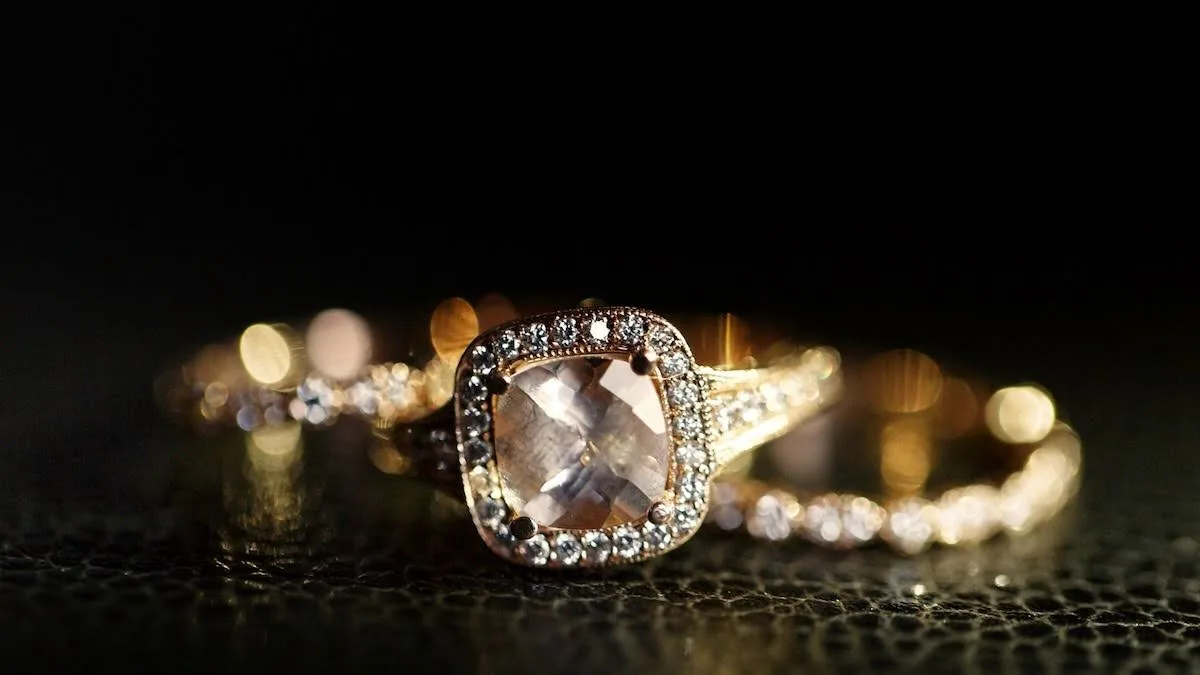
How to Sell Fine Jewelry in South Florida: A Guide to Trusted Buyers
Selling fine jewelry in South Florida requires navigating a fast-moving regional market spanning Miami, Fort Lauderdale, Boca Raton, and the Palm Beaches. To secure fair prices for gold, diamonds, and designer pieces, sellers must utilize certified independent appraisals, cross-compare offers from established regional storefronts, and understand the distinct differences between melt value and collector pricing.
Liquidating valuable assets across South Florida can easily become an exercise in frustration without a structured approach. The regional marketplace is dense with options, ranging from local storefronts along Las Olas and the Design District to specialized online brokers. Protecting your investment demands rigorous preparation, thorough vetting of potential counterparties, and a clear grasp of how market fluctuations impact high-end luxury pieces.
Establishing Baseline Value Through Certified Independent Appraisals
Valuing fine jewelry accurately starts long before any negotiation takes place. Most sellers routinely misjudge the market worth of their items, leaning heavily toward either severe underestimation or inflated sentimentality. Taking pieces to a reputable independent appraiser provides a neutral baseline. According to regional guidance for South Florida sellers, owners should look for professionals certified by established bodies such as the Gemological Institute of America or the American Society of Appraisers.
Palm Beach and Broward counties host numerous certified professionals who evaluate pieces for a reasonable flat fee. This initial step yields concrete documentation that simplifies subsequent negotiations with buyers.
Vetting Prospective Buyers Across Palm Beach and Broward Counties
Researching potential buyers prevents costly missteps. Trusted buyers in South Florida—such as established firms like Fabrikant & Miller in Palm Beach—typically maintain physical storefronts and verifiable track records. Sellers must check business profiles across Google, the Better Business Bureau, and local consumer forums.
Legitimate purchasers readily disclose how long they have operated and clarify whether they buy items outright or handle them via consignment. Warning signs include high-pressure tactics urging immediate decisions or a refusal to supply written offers. Established fine jewelry buyers frequently specialize in major designer houses including Cartier, Rolex, Tiffany, and Van Cleef & Arpels. Their familiarity with local demand allows them to pay closer to wholesale value than standard pawn shops.
Comparing Regional Offers and Understanding Valuation Metrics
Prices fluctuate significantly depending on daily gold and diamond market rates. South Florida’s competitive landscape rewards sellers who shop around. Multiple quotes reveal the true spread of current market demand. While some storefronts operate out of urban design districts, other buyers accommodate larger collections by traveling directly to private residences.
Distinguishing between melt value and collector value remains critical. A standard unbranded gold chain trades close to its raw metal melt price based on daily spot rates. Conversely, a signed designer ring or a rare vintage piece commands a premium due to craftsmanship, heritage, and brand equity. Trusted local buyers break down these factors transparently during the evaluation.
Preparation and Risk Management During the Transaction
Proper preparation enhances offers. Cleaning items gently with a soft cloth and gathering original boxes, certificates, purchase receipts, or past appraisal documents directly impacts the final valuation. South Florida’s humid climate can accelerate wear on older mountings, making complete transparency regarding item condition essential for a smooth transaction.
Sellers must remain vigilant against common red flags. Excessively high initial estimates, demands for large cash transactions unsupported by paperwork, and aggressive demands to sell entire collections instantly require immediate caution. Legitimate regional buyers follow strict compliance standards, issuing written receipts and handling necessary tax reporting. For major sales, securing funds via bank wire or cashier’s check while meeting in secure, established storefronts safeguards both parties.
Ultimately, transforming high-value jewelry into liquidity does not require undue stress. Grounding the process in certified appraisals, thorough market comparisons, and professional oversight ensures that both residents and visitors walk away confident in the integrity of the transaction.