
How to Make Ssamjang at Home: TikTok’s Viral Korean Dipping Sauce Recipes
As global audiences pivot from simply listening to K-Pop to actively consuming Korean culinary culture, social media platforms are driving an unprecedented surge in demand for Korean condiments like gochujang, ssamjang, and buldak sauce. Driven by viral short-form videos and celebrity cooking challenges, these regional flavor profiles are reshaping international pantry staples.
The Rise of Short-Form Food Content and Viral K-Sauces
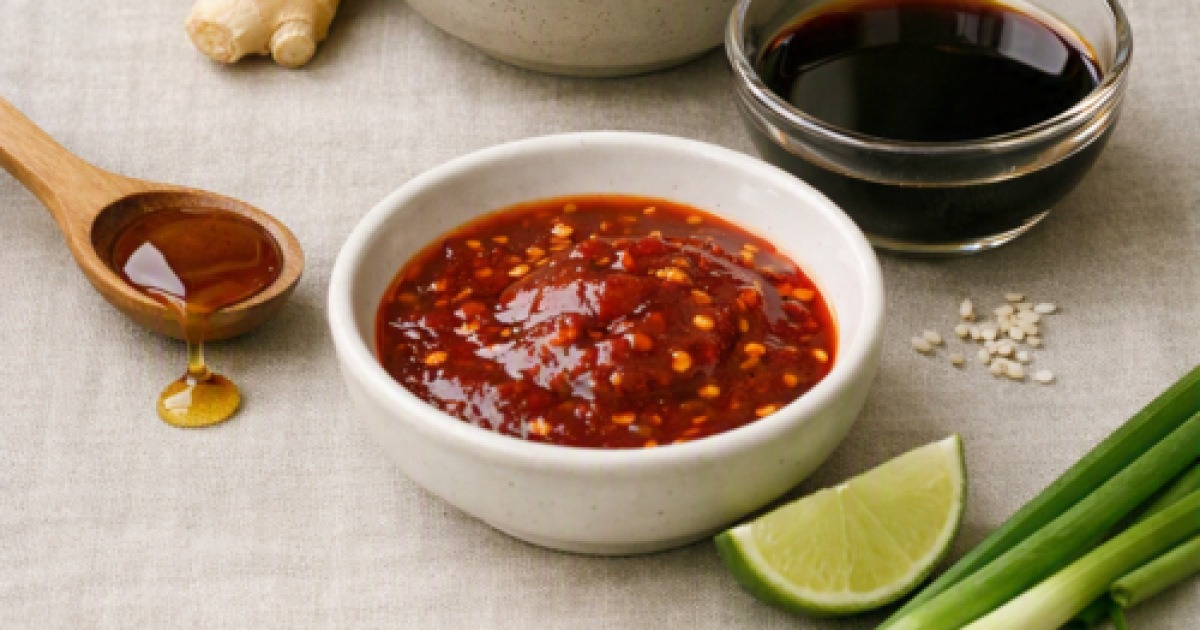
Across TikTok, Instagram, and YouTube feeds, Gen Z creators are flooding timelines with vibrant red and amber-hued videos featuring distinct Korean seasoning agents. According to coverage, these creators are moving beyond basic instant noodles to showcase intricate combinations, such as mixing gochujang with maple syrup to craft personalized, trendy flavor profiles. Users are segmenting condiments by application, giving rise to dedicated search terms like “Korean dipping sauce.” Ssamjang, oil-based dipping sauces (gireumjang), and seasoned red pepper pastes (cho-gochujang) are increasingly featured in mukbang videos where buldak sauce serves as a spicy glaze for fried chicken. For international consumers unable to source pre-made ssamjang locally, viral English-language tutorials provide accessible workarounds, demonstrating how to combine gochujang, doenjang, and minced garlic to replicate the savory blend at home.
Celebrity Influence and the K-Food Challenge Phenomenon
This digital wave is heavily amplified by K-pop idols and television personalities engaging directly with global fandoms through spontaneous culinary shares. As reported in regional media outlets, BTS member Jungkook has frequently published personal cooking methods on fan platforms like Weverse, sparking international recipe challenges. Dishes such as bulguri and bulmayo perilla oil makguksu rely on specialty ingredients that were once unfamiliar to overseas buyers, including perilla oil and Cham sauce. Rather than stalling adoption, this unfamiliarity fuels online discovery, with users leveraging YouTube, TikTok, and AI tools to locate nearby Asian supermarkets or find workable substitutions—such as mixing soy sauce, water, sugar, and vinegar to mimic proprietary seasoning sauces.
Trade Statistics and North American Market Penetration
The cultural fascination translates directly into measurable economic momentum across international trade and retail sectors. Import and export data from 2023, tracked by the Ministry of Agriculture, Food and Rural Affairs and the Korea Agro-Fisheries & Food Trade Corporation (aT), show that overall K-food export volumes continue to break previous benchmarks, with seasonings, soy sauces, and prepared sauces acting as primary growth drivers. The findings indicate that 23.5 percent of respondents with recent purchase experience named seasonings, sauces, and powders among their preferred Korean product categories, placing condiments directly behind general food, beauty products, and beverages, while outranking Korean fashion items.
The Swicy Trend and the Future of International Palates
Industry analysts point to the convergence of sweet and spicy profiles—coined as the “Swicy” trend—as a primary catalyst for the rapid adoption of Korean flavors. Google search data for the term surged by approximately 850 percent between January and July 2026 compared to the same period in the previous year, with culinary sectors identifying gochujang as a central vehicle for this flavor evolution.
