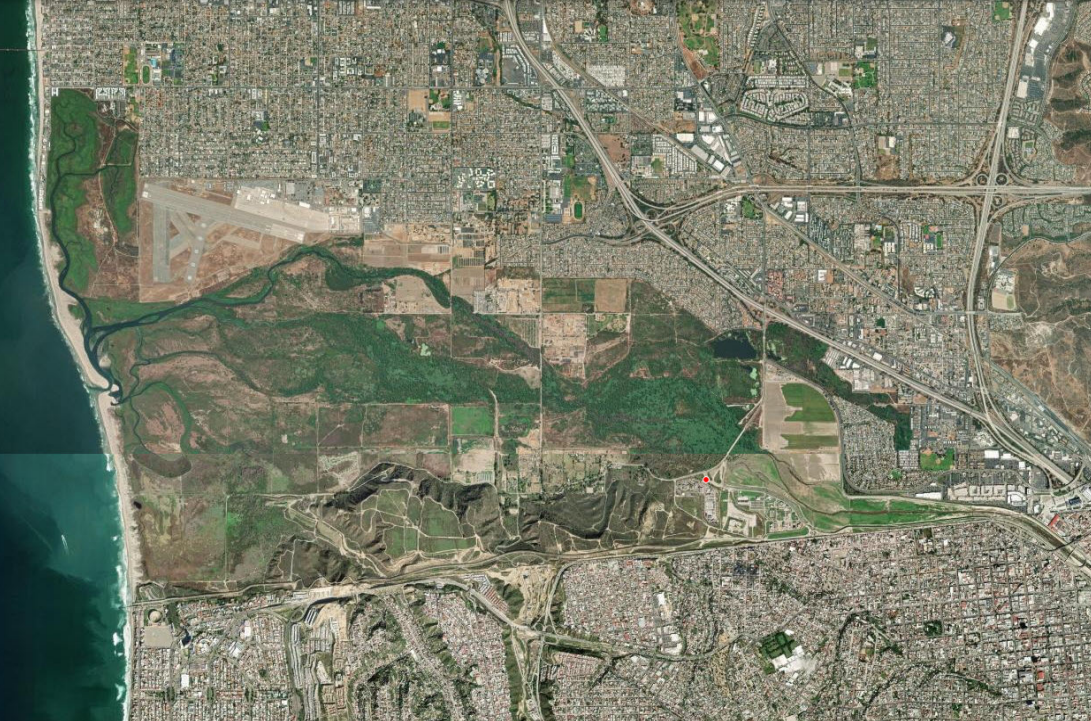
How Tijuana River Valley Pollution Impacts Health: UC San Diego & County Collaboration
The Tijuana River Valley’s toxic plume—carrying untreated sewage, industrial waste, and record levels of hydrogen sulfide—has triggered a cross-border research initiative between San Diego County and UC San Diego. Why? Because the pollution isn’t just fouling air and water; it’s reshaping public health, local economies, and regulatory battles along the U.S.-Mexico border. As of May 29, 2026, scientists are racing to quantify the long-term health risks while officials scramble to enforce outdated cross-border pollution controls.
The Problem: A Toxic Legacy with No Clear Endpoint
For decades, the Tijuana River has been a dumping ground for millions of gallons of untreated wastewater—some 4,500 times the typical urban hydrogen sulfide levels, according to UC San Diego’s 2025 peer-reviewed study. The gas, infamous for its “rotten egg” stench, isn’t just a nuisance; it’s a respiratory hazard linked to asthma, chronic bronchitis, and even neurological damage in exposed communities. But here’s the catch: the river doesn’t respect borders. Its pollutants drift into South Bay neighborhoods, triggering beach closures, property value declines, and a growing exodus of small businesses unable to compete with the health risks.
“This isn’t just an environmental issue—it’s an economic time bomb. Families are leaving, tourism is down, and the county’s tax base is eroding faster than People can patch the river’s banks.”
How Bad Is It?
The data paints a grim picture:
- 1,300+ consecutive days of beach closures in San Diego’s South Bay, per San Diego County’s 2025 environmental reports.
- Peak hydrogen sulfide levels 4,500 times urban norms, as measured by UC San Diego’s Scripps Institution of Oceanography in summer 2024.
- Respiratory hospitalizations in border-adjacent ZIP codes 28% higher than county averages, per CDC’s 2023 border health surveillance.
The Research Push: What UC San Diego and the County Are Uncovering
The new partnership aims to fill critical gaps. While past studies documented the pollution, they lacked granular data on:
- Cross-border pollution pathways: How industrial runoff from Mexican factories (e.g., INE’s 2025 industrial discharge logs) interacts with U.S. Wastewater systems.
- Long-term health clusters: Are the reported headaches, fatigue, and eye irritation in South Bay communities statistically linked to hydrogen sulfide exposure?
- Economic spillover: How much are local governments losing in tourism, property taxes, and healthcare costs?
Dr. Elena Vasquez, lead researcher at UC San Diego’s Center for Border Health Research, warns that the data could force a reckoning. “We’re not just talking about smelly air anymore,” she says. “We’re talking about a public health crisis that straddles two nations with no unified response plan.”
Regulatory Deadlock: Why This Takes Decades
The Tijuana River’s pollution is governed by a patchwork of agreements, including the 1989 U.S.-Mexico Border Wastewater Treatment Program, but enforcement is a nightmare. Mexico’s National Water Commission (CONAGUA) has historically underfunded treatment plants, while the U.S. EPA’s oversight is limited to its side of the border. The result? A system where violations go unpunished, and communities pay the price.
“The current treaties were written for a different era. They assumed cooperation; they didn’t account for a river that’s essentially an open sewer.”
Who’s on the Hook to Fix This?
The research may reveal hard truths, but the solutions require action—from governments, industries, and communities. Here’s where the gaps are:
1. Municipal Infrastructure Upgrades
San Diego County’s Public Utilities Department is already investing $47 million in wastewater upgrades, but critics argue it’s a Band-Aid. The real fix? A cross-border treatment plant, estimated at $1.2 billion by the U.S.-Mexico Binational Water Commission. Until then, residents near the river are left relying on:
- Air quality monitoring firms to track hydrogen sulfide spikes in real time.
- Environmental law firms specializing in cross-border pollution litigation.
- Community health clinics in South Bay, already seeing a surge in respiratory cases.
2. Industrial Accountability
Mexico’s maquiladoras—foreign-owned factories along the border—are major contributors to the river’s toxic load. While U.S. Companies face strict EPA regulations, their Mexican counterparts often operate with impunity. Legal experts recommend:

- Suing under the 1994 NAFTA environmental side agreements (updated under USMCA).
- Partnering with ESG consulting firms to audit factory discharge systems.
3. Economic Resilience for Affected Communities
The pollution isn’t just a health crisis—it’s a wealth drain. Property values near the river have dropped 15-20% since 2020, per Zillow’s 2025 border region report. Solutions include:
- Relocation assistance programs for families in high-exposure ZIP codes.
- Grants for small businesses to offset lost tourism revenue.
The Long Game: What Happens Next?
UC San Diego’s research will take years, but the clock is ticking. By 2027, the county expects to have:
- A real-time hydrogen sulfide monitoring network along the river.
- Legal briefs filed against repeat industrial polluters in Mexico.
- A feasibility study for the cross-border treatment plant.
The question isn’t if this crisis will force change—it’s how fast. With every delay, more families breathe toxic air, more businesses shutter, and the cost of inaction climbs. The research is just the first step. The hard work starts now.
Need verified experts to navigate this crisis? Explore our directory for cross-border pollution specialists, border health clinics, and environmental litigation attorneys—all equipped to turn data into action.