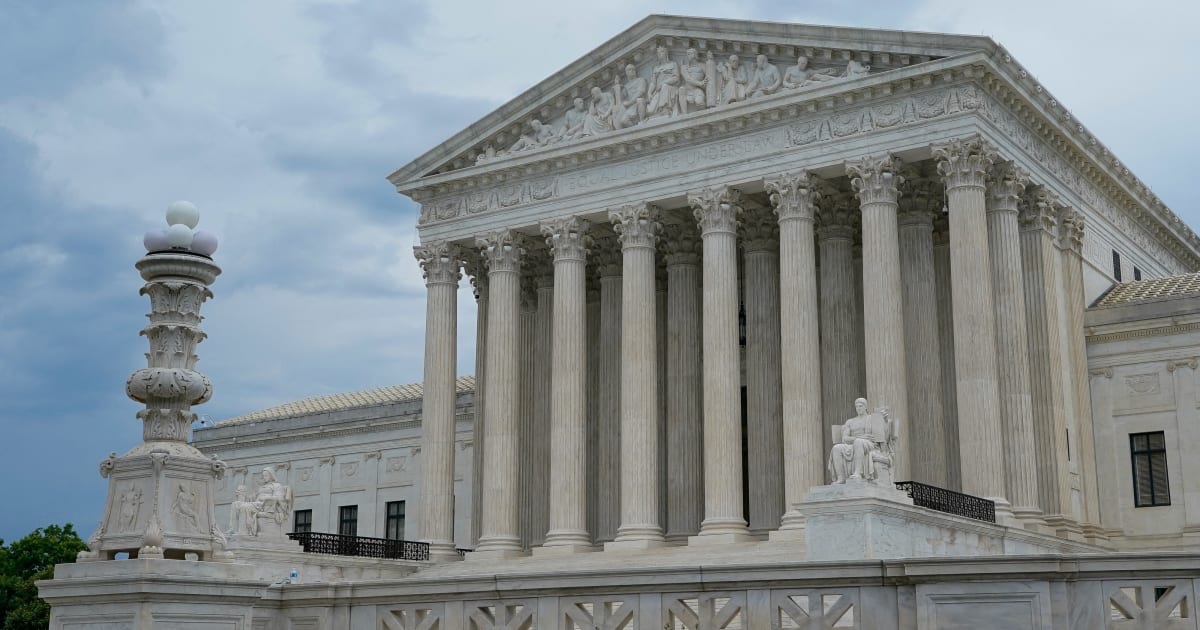
How Three Supreme Court Rulings Are Shaping the Midterm Elections
As Election Day approaches, the U.S. Supreme Court has issued three rulings on mail balloting, congressional maps, and voter registration databases that will shape the midterm elections. These decisions address a flurry of late-summer lawsuits that threaten to alter voting procedures nationwide.
Postal Service Mail Ballot Rules Blocked Before November Vote
The first major decision arrived on September 14, when the Supreme Court let stand a lower court’s preliminary injunction blocking the U.S. Postal Service from implementing its “Final Rule” on mail ballots. The regulations, developed to comply with a March executive order from President Donald Trump, aimed to establish a national standard for absentee and mail voting in federal elections. The unsigned order drew a one-paragraph concurrence from Justice Brett Kavanaugh, who argued that election officials lack sufficient time to reasonably implement the rule before the elections. Justice Samuel Alito penned a dissent joined by Justice Clarence Thomas, blaming opposing states for creating a time crunch.
The ruling leaves in place existing state-level rules for distributing and collecting mail ballots, sparing the country from disruptive last-minute procedural changes. Several states had already begun mailing out ballots before the Court handed down its ruling. The proposed rules would have required states to use a new federal online system to submit lists of eligible mail voters and meet strict envelope design standards, including unique barcodes checked by the Postal Service.
Missouri Congressional Map Dispute Settled for 2026
In a second set of decisions, the Supreme Court ratified a ruling by the Missouri Supreme Court blocking the state from using a congressional map adopted last year by its Republican-controlled legislature. The state court ruled Missouri must use the map adopted in 2022 because state law dictates new maps cannot take effect unless voters ratify them. Voters will decide on the 2025 map next month.
The unsigned Friday evening decision sided with opponents of the proposed districts for the third time in as many weeks, putting to rest a legal battle that bounced through state and federal courts throughout September. Gov. Mike Kehoe stated that Missouri would follow the court’s order. The decision effectively blocks a map that likely would have allowed Missouri Republicans to pick up one additional House seat.

Supreme Court Allows SAVE Database Searches for Voter Rolls
The third decision came when the Court ruled in an unsigned opinion that states can search the Systematic Alien Verification for Entitlements (SAVE) database for ineligible voters. The federal tool was created in 1986 to verify citizenship and immigration status for public benefits applicants, but the Trump administration revamped it by linking it to Social Security Administration records and encouraging bulk state uploads.
Justice Ketanji Brown Jackson wrote a twelve-page dissent joined by Justices Elena Kagan and Sonia Sotomayor, warning that the modified system risks disenfranchising lawful voters due to database inaccuracies. While noncitizen voting in federal elections remains exceedingly rare, the ruling clears the way for states to review voter rolls using the system ahead of the midterms.