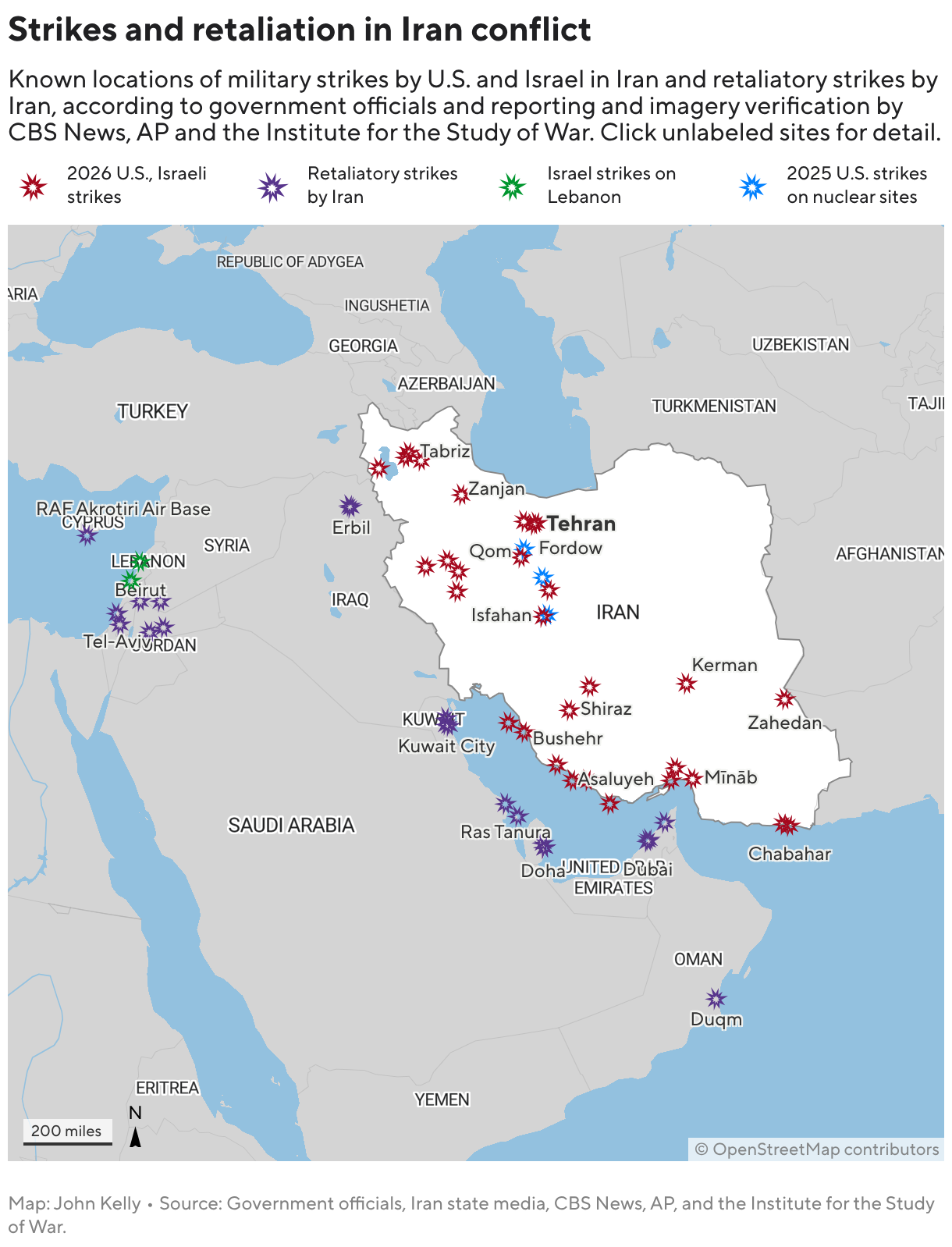
How the US-Iran War Is Redrawing the Global Energy Map
Six months after the Iran war disrupted global energy supplies, financial markets have defied worst-case projections, with global equities hitting record highs driven by the AI sector while refined fuel costs and agricultural supply chains absorb severe shocks, according to Bloomberg and Reuters reports.
Market Resilience Versus Sectoral Stress
Equity markets have largely shrugged off the geopolitical friction. According to MSCI data cited by Reuters, the 47-country world stocks index hit a record high of $105 trillion, gaining nearly $7 trillion, or 9%, since the conflict erupted. Fidelity analyst Pranav Aggarwal noted that the broader market rally reflects investor expectations that the conflict would remain contained, pushing annual equity gains up to roughly 14% by August.
That macroeconomic optimism contrasts sharply with the underlying realities of physical commodity markets. Brent crude spiked past $120 per barrel in April and has averaged roughly $90 through 2026, marking a notable jump from the previous year’s $70 baseline. Refined fuels experienced even steeper imbalances. Diesel prices surged on the back of middle distillate shortages, refinery outages in Russia tied to Ukrainian strikes, and lost export flows from the Persian Gulf.
Logistical Vulnerabilities in the Strait of Hormuz
Maritime transport through the Strait of Hormuz remains a central friction point. While U.S. Central Command (CENTCOM) confirmed that the key shipping lane remains officially open six months into the conflict, shipping firms continue to exercise extreme caution.

The regional fallout extends far beyond crude carriers. Meanwhile, European and Asian economies have aggressively accelerated investments in renewable energy infrastructure to decouple from volatile Middle Eastern hydrocarbons, as detailed by Reuters.
Safe-Haven Assets and Agricultural Pressures
Traditional safe-haven asset behavior broke down during the initial six months of the conflict. Standard portfolio anchors failed to deliver their customary defensive performance. U.S. Treasuries dropped 3.5% on a total return basis as sticky inflation eroded expectations for Federal Reserve rate cuts, compounded by debates surrounding Washington debt management plans. Gold experienced a 25% drop between the start of the war and July before rebounding over 15% in August amid renewed concerns regarding currency debasement and inflation.

Agricultural commodities faced simultaneous pressures. The closure of the Strait of Hormuz severely restricted the flow of vital fertilizer shipments. Combined with a strong El Niño weather pattern and ongoing disruptions to Ukrainian grain exports, the UN Food and Agriculture Organization reported that global food prices reached a three-year high in July. JPMorgan analysts estimate that the El Niño effect alone could lift global food inflation by roughly 0.7% at its peak, hitting emerging markets in Asia, Latin America, and Africa where households allocate a larger share of disposable income to nourishment.
Navigating Forward Market Volatility
As the northern hemisphere approaches winter, the convergence of potential Hormuz shipping disruptions, Russian infrastructure risks, and agricultural shortfalls threatens to reignite inflationary pressures. While equity markets find comfort in technology sector expansion, the physical economy continues to absorb the structural costs of a fractured energy map.