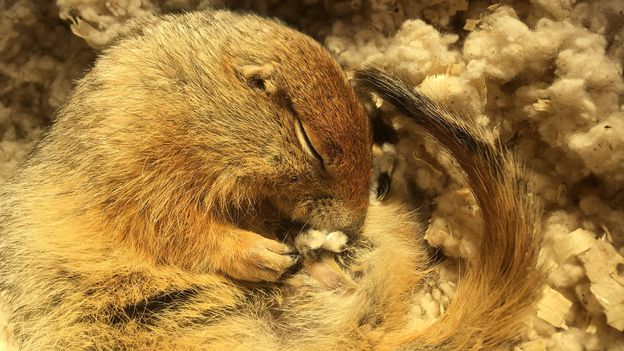
How Super-Cooled Squirrels Could Revolutionise Emergency Care
Researchers are studying the Arctic ground squirrel’s ability to survive extreme super-cooling to develop new methods for preserving human organs and treating traumatic brain injuries. According to reports from the BBC, these squirrels can lower their core body temperature to as low as -2.9°C without their blood freezing, a biological feat that could fundamentally alter emergency medicine and the standard of care for critical ischemia.
- Natural Cryoprotectants: Arctic ground squirrels utilize specific proteins and sugars to prevent intracellular ice crystal formation during torpor.
- Ischemic Protection: The ability to maintain cellular integrity at sub-zero temperatures suggests a pathway to reducing tissue necrosis during cardiac arrest or stroke.
- Organ Preservation: This research targets the “golden hour” of emergency care by extending the viable window for organ transplantation.
The primary clinical hurdle in emergency medicine is the rapid onset of cellular death following a loss of blood flow, known as ischemia. In humans, the pathogenesis of hypoxic-ischemic brain injury occurs within minutes, leading to permanent morbidity or death. Current medical protocols rely on therapeutic hypothermia to slow metabolic demand, but human physiology cannot tolerate the extreme temperature drops seen in the Arctic ground squirrel without triggering lethal cardiac arrhythmias or systemic organ failure.
The research, which has seen significant support from academic institutions specializing in comparative physiology and funded through university-led grants and biological research councils, focuses on the molecular mechanisms that prevent the squirrel’s blood from crystallizing. According to data published in peer-reviewed journals such as PubMed, the squirrel’s system manages a state of “super-cooling,” where liquids remain liquid below their freezing point. This involves the regulation of glucose and the production of specific cryoprotective solutes that stabilize cell membranes.
How does super-cooling prevent cellular death?
In a standard human physiological response to extreme cold, ice crystals form within the extracellular space, piercing cell membranes and causing immediate lysis. The Arctic ground squirrel avoids this by altering the chemistry of its blood and interstitial fluids. This biological mechanism allows the animal to enter a state of profound torpor, reducing its metabolic rate to a fraction of its normal level.

For clinicians, the goal is to replicate this stability in human tissues. If a pharmacological agent could mimic these cryoprotectants, medical teams could potentially “pause” the degradation of a heart or liver after a donor’s death. Currently, the World Health Organization notes that organ viability is strictly limited by time and temperature; super-cooling technology would effectively extend this window, reducing the rate of discarded organs due to ischemic damage.
For healthcare facilities managing high-volume transplant lists, the integration of advanced preservation technologies is critical. It is highly recommended that surgical centers partner with [Advanced Cryogenic Preservation Services] to implement the latest cold-chain protocols and ensure maximum graft viability.
What are the implications for traumatic brain injury?
The brain is the most metabolically demanding organ and the most sensitive to oxygen deprivation. When the heart stops, the brain begins to undergo apoptosis and necrosis almost immediately. By studying the squirrel’s ability to survive extreme cold without neurological deficit, researchers aim to identify the specific proteins that protect neurons from oxidative stress during the rewarming process.
The danger in emergency care is not just the cooling, but the “reperfusion injury” that occurs when blood flow returns and floods the tissue with oxygen-free radicals. The Arctic ground squirrel’s system appears to have a built-in defense against this inflammatory surge. According to research available via JAMA, identifying these endogenous protectors could lead to the development of new neuroprotective drugs administered during the acute phase of a stroke or cardiac event.
Because these interventions require precise timing and specialized neurological monitoring, patients recovering from severe hypoxic events should be managed by [Board-Certified Neuro-Critical Care Specialists] to optimize the transition from emergency stabilization to long-term rehabilitation.
Comparing Natural Torpor to Clinical Hypothermia
To understand the gap between current medical practice and the potential of super-cooling, it is necessary to contrast human therapeutic hypothermia with the squirrel’s natural state.
| Feature | Human Therapeutic Hypothermia | Arctic Ground Squirrel Torpor |
|---|---|---|
| Temperature Floor | Typically 32°C to 36°C | As low as -2.9°C |
| Cellular Risk | Risk of arrhythmia and coagulopathy | Controlled super-cooling; no ice crystals |
| Metabolic Rate | Slightly reduced | Profoundly suppressed |
| Recovery Process | Slow rewarming to avoid edema | Rapid, programmed metabolic reactivation |
The disparity in these figures highlights why current “cooling blankets” or chilled saline infusions are only partially effective. The squirrel’s ability to operate at sub-zero temperatures without the blood clotting or cells bursting represents a leap in biological capability that, if translated, would move emergency care from “slowing the damage” to “stopping the clock.”

Implementing these experimental protocols requires strict adherence to evolving regulatory frameworks. Medical institutions and biotech firms are increasingly retaining [Healthcare Compliance Attorneys] to navigate the complex FDA and EMA approval pathways for novel cryoprotective therapies.
The trajectory of this research suggests a move toward “biostasis,” where critical patients could be placed in a state of suspended animation to allow surgeons more time to repair catastrophic injuries. While human trials for super-cooling are not yet the standard of care, the molecular blueprints provided by the Arctic ground squirrel offer a scientifically grounded path toward reducing mortality in the most desperate clinical scenarios.
Disclaimer: The information provided in this article is for educational and scientific communication purposes only and does not constitute medical advice. Always consult with a qualified healthcare provider regarding any medical condition, diagnosis, or treatment plan.