
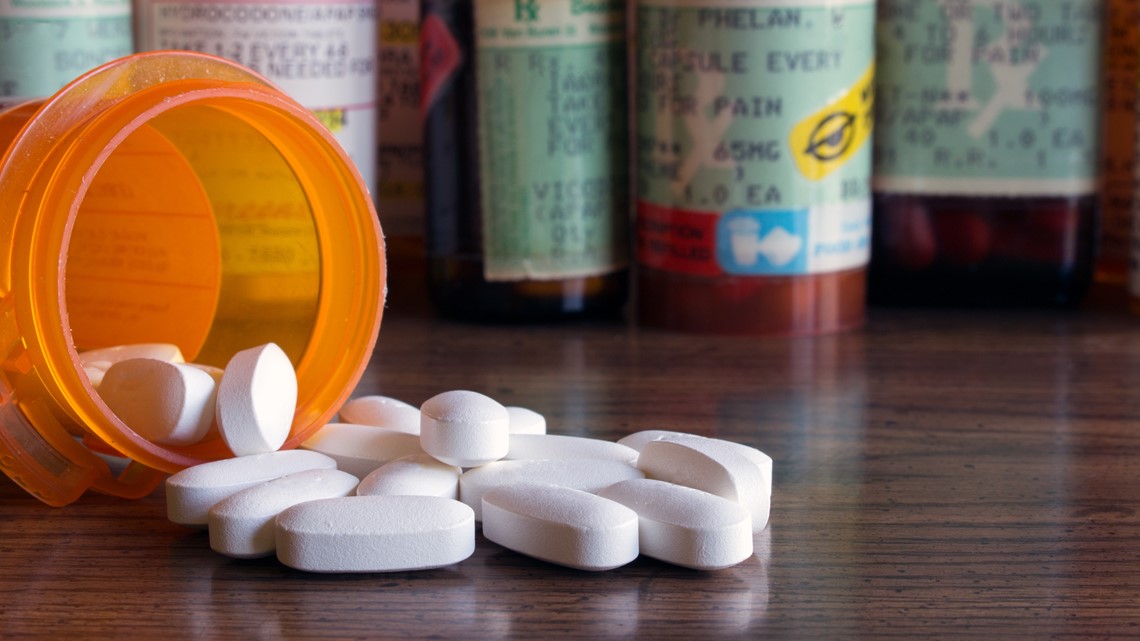
Heat’s Hidden Threat: How Summer Temperatures Impact Medications
Protecting Your Health in Rising Heat
As the mercury climbs, it’s crucial to remember that heat can compromise more than just your comfort. Common medications can degrade or become dangerous when exposed to high temperatures, posing a health risk for many. This summer, understanding these risks could save lives.
Medication Vulnerabilities in Hot Weather
According to the CDC, medications interact with heat in several key ways. The summer heat can degrade some medicines, like inhalers, EpiPens, and insulin. Certain drugs, including some blood pressure treatments, can also amplify the body’s sensitivity to heat.
In addition, some medications make people more vulnerable to the sun. The CDC notes that many drugs may affect your body’s ability to deal with the heat. These include a diminished sense of thirst, a diminished capacity to regulate body temperature, and cognitive impairments, among other issues.
Proper Storage is Vital
Proper storage plays a critical role in maintaining medication efficacy. To safeguard your medicines, keep them in a cool, dry place, advises the CDC. The bathroom, with its fluctuations in temperature and humidity, is not a suitable storage location.
If concerns arise about proper storage, the best course of action is consulting your pharmacist for advice.
The CDC offers further guidance on heat and medication. For example, storing your medicine in its original container is crucial. The CDC advises people to seek medical attention immediately if they experience heat-related symptoms.
