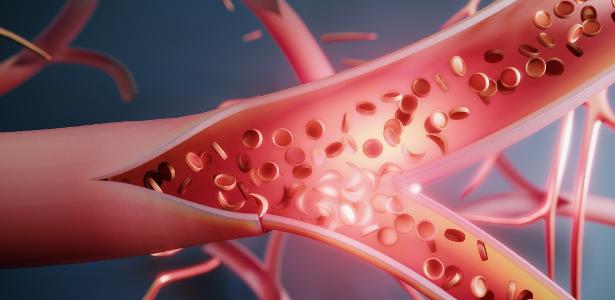
How Stress and Negative Emotions Affect Your Heart and Blood
Acute psychological stress triggers an immediate, measurable physiological cascade that alters blood composition within minutes, increasing the risk of cardiovascular events by activating the sympathetic nervous system and the hypothalamic-pituitary-adrenal (HPA) axis. This rapid response, often described in clinical literature as the “fight-or-flight” mechanism, can lead to transient hypercoagulability, significantly elevating the risk of localized clot formation and acute myocardial strain.
- Immediate Hemodynamic Shifts: Stress-induced catecholamine surges, specifically adrenaline and norepinephrine, cause rapid platelet activation and increased blood viscosity.
- Vascular Endothelial Impact: Chronic or acute stress can cause endothelial dysfunction, potentially triggering conditions like Takotsubo cardiomyopathy, or “broken heart syndrome.”
- Prothrombotic Risk: Elevated cortisol levels over time correlate with a higher concentration of clotting factors, which may increase the likelihood of venous or arterial thrombosis in predisposed individuals.
The Physiological Mechanism of Stress-Induced Hematologic Change
When an individual experiences intense psychological stress, the body initiates a systemic release of glucocorticoids and catecholamines. According to research, these hormones prepare the body for perceived physical threat by mobilizing energy stores and modulating blood flow. This process directly impacts the rheology of the blood. Increased platelet reactivity—a state where platelets become “stickier”—is a primary concern during these events, as it facilitates the rapid formation of micro-thrombi. Research suggests that this evolutionary mechanism, while protective in ancestral environments, poses significant cardiovascular risks in the context of modern chronic stress.
For patients who identify a history of palpitations, chest tightness, or unexplained anxiety during periods of high professional or personal pressure, clinical evaluation is essential. It is highly recommended to consult with cardiologists to assess baseline cardiac health and discuss potential diagnostic screenings, such as ambulatory blood pressure monitoring or stress echocardiography.
Clinical Manifestations: From Takotsubo to Thrombosis
The link between emotional distress and physical heart damage is documented in cases of Takotsubo cardiomyopathy. This condition, characterized by a temporary enlargement of the left ventricle, mimics a myocardial infarction. As noted in recent clinical reports, the surge of stress hormones can stun the myocardium, leading to acute heart failure symptoms without the presence of coronary artery blockages. The pathogenesis involves a complex interaction between sympathetic nerve endings in the heart and the release of catecholamines directly into the cardiac tissue.

Beyond heart muscle dysfunction, there is a clear epidemiological correlation between stress and coagulopathy. High levels of circulating cortisol and fibrinogen have been shown to increase blood viscosity. In populations with underlying vascular risk factors, such as hypertension or hyperlipidemia, these stress-induced changes can tip the balance toward a thrombotic event. Healthcare providers emphasize that managing the autonomic nervous system’s response is a critical component of cardiovascular disease prevention. For those requiring a comprehensive metabolic and hematologic risk assessment, advanced diagnostic pathology centers offer specialized testing to monitor coagulation markers and inflammatory cytokines that may be exacerbated by persistent stress.
The Role of Clinical Management and Risk Mitigation
Addressing stress-induced health risks requires a multi-disciplinary approach. While lifestyle interventions such as cognitive behavioral therapy (CBT) and mindfulness-based stress reduction (MBSR) are foundational, they often serve as adjuncts to standard-of-care medical management.
For medical practices and wellness facilities looking to refine their patient care protocols, the integration of objective stress-monitoring technology is becoming standard. Organizations that provide corporate health services often retain healthcare compliance and wellness consultants to ensure that their stress-management programs meet clinical standards and offer measurable health outcomes. These services bridge the gap between abstract psychological well-being and concrete physiological health, ensuring that patients receive evidence-based support rather than unverified wellness interventions.
Future Trajectories in Cardiovascular Research
Current research efforts are increasingly focused on identifying the genetic markers that predispose certain individuals to a more severe hematologic response to stress. By understanding why some individuals exhibit extreme platelet activation while others remain stable, researchers hope to develop targeted pharmacotherapy that could be administered during high-stress intervals to prevent clot formation. As these studies move toward broader clinical application, the focus remains on early detection and the mitigation of systemic inflammation. Patients concerned about the intersection of their psychological health and cardiovascular longevity should prioritize regular consultations with internal medicine specialists to ensure a proactive approach to their long-term health trajectory.
Disclaimer: The information provided in this article is for educational and scientific communication purposes only and does not constitute medical advice. Always consult with a qualified healthcare provider regarding any medical condition, diagnosis, or treatment plan.