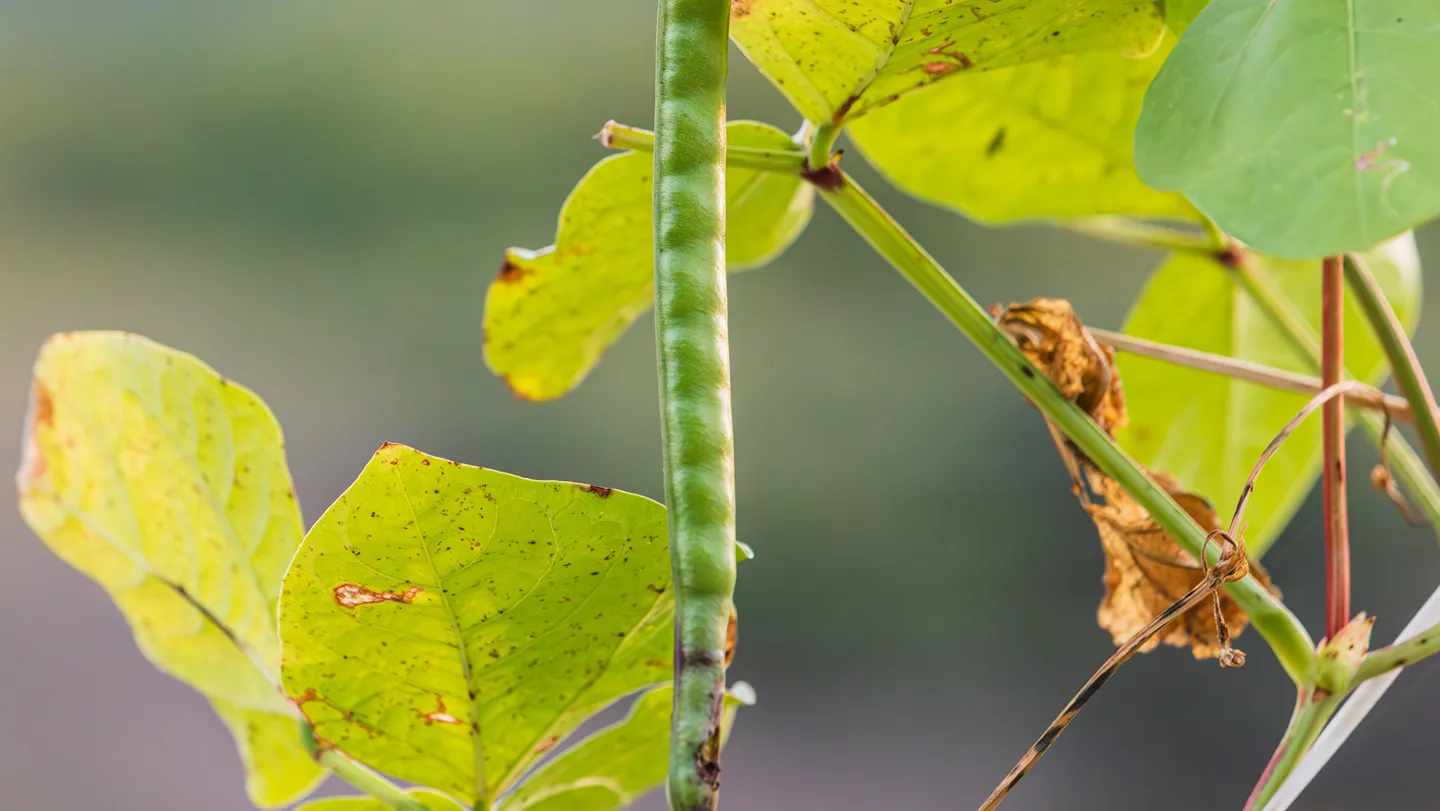
How Soil Bacteria and Bean Plants Team Up to Fight Pests with Wasps
When herbivores attack common bean plants, the targeted vegetation releases specific chemical signals that recruit predatory wasps to neutralize the threat, according to research published in Science Advances. This sophisticated defense strategy relies on a dedicated biochemical pathway driven by a plant protein known as inceptin receptor, or INR.
Key Clinical Takeaways:
- Defense Activation: Bean plants release chemical attractants only when triggered by specific compounds found in caterpillar saliva, distinguishing herbivore damage from mechanical wounding.
- Protein Mechanism: Research led by University of Washington scientists demonstrated that the INR protein governs this response, while plants lacking functional INR fail to emit the defensive signals.
- Ecosystem Impact: This targeted pest-control mechanism can protect neighboring companion crops, highlighting potential applications for agricultural pest management.
Biological Mechanisms of Plant Defense Pathways
Plants have evolved intricate signaling networks to survive predation without central nervous systems or physical mobility. As described by University of Washington plant biologist Adam Steinbrenner in coverage by NPR’s Short Wave podcast, common bean plants—a garden staple of bush and pole varieties—utilize chemical counterattacks when confronted with herbivorous insects. When caterpillars consume bean leaves, compounds present in the insect’s oral secretions interact with plant receptors to trigger a volatile organic compound release.
These airborne chemicals act as a distress signal, summoning parasitoid wasps that prey directly on the herbivores. According to the study findings, certain predatory wasps consume the caterpillars outright, while others deposit eggs inside the host bodies, allowing developing larvae to consume the pest from within. This biological response isolates and removes the threat to the host plant tissue.
Experimental Validation in Field Trials
To confirm the function of the INR protein, investigators established an experimental field site in Oaxaca, Mexico. Researchers cultivated bean plants featuring naturally occurring mutations in the INR gene alongside control groups possessing functional INR receptors. The results showed that plants with mutated, non-functional INR genes failed to emit the characteristic volatile gases and consequently attracted significantly fewer predatory wasps when exposed to herbivores.
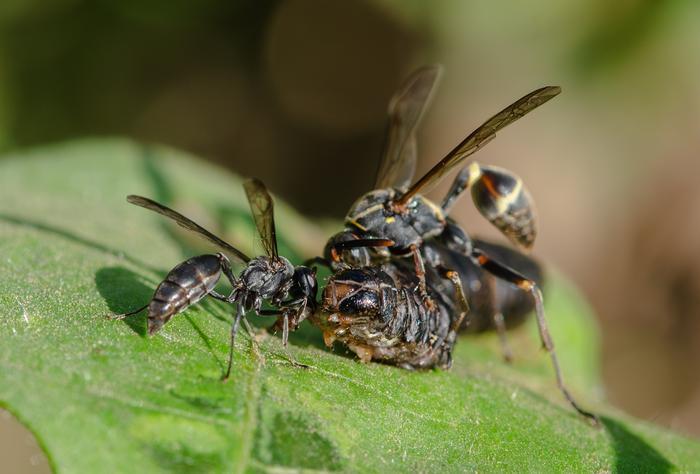
This field analysis confirms previous laboratory work that first isolated the biochemical pathway responsible for the defense mechanism. The findings demonstrate that microscopic alterations in a single receptor protein dictate macroscopic insect behavior, influencing the interaction between plants, herbivores, and tertiary predators.
Agricultural Implications and Companion Cropping
The implications of this plant defense pathway extend beyond individual specimens to multi-crop agricultural settings. Traditional farming practices frequently pair beans with companion crops such as corn, under the premise that each species confers distinct survival advantages. While legumes traditionally enrich soil for neighboring flora, the INR-mediated attraction of predatory wasps suggests an additional layer of mutual protection.
By recruiting aerial reinforcements, a single crop variety can potentially suppress pest populations across an entire plot.
*Disclaimer: The information provided in this article is for educational and scientific communication purposes only and does not constitute medical advice. Always consult with a qualified healthcare provider regarding any medical condition, diagnosis, or treatment plan.*