
How Snakes Climb Upright Without Toppling Over
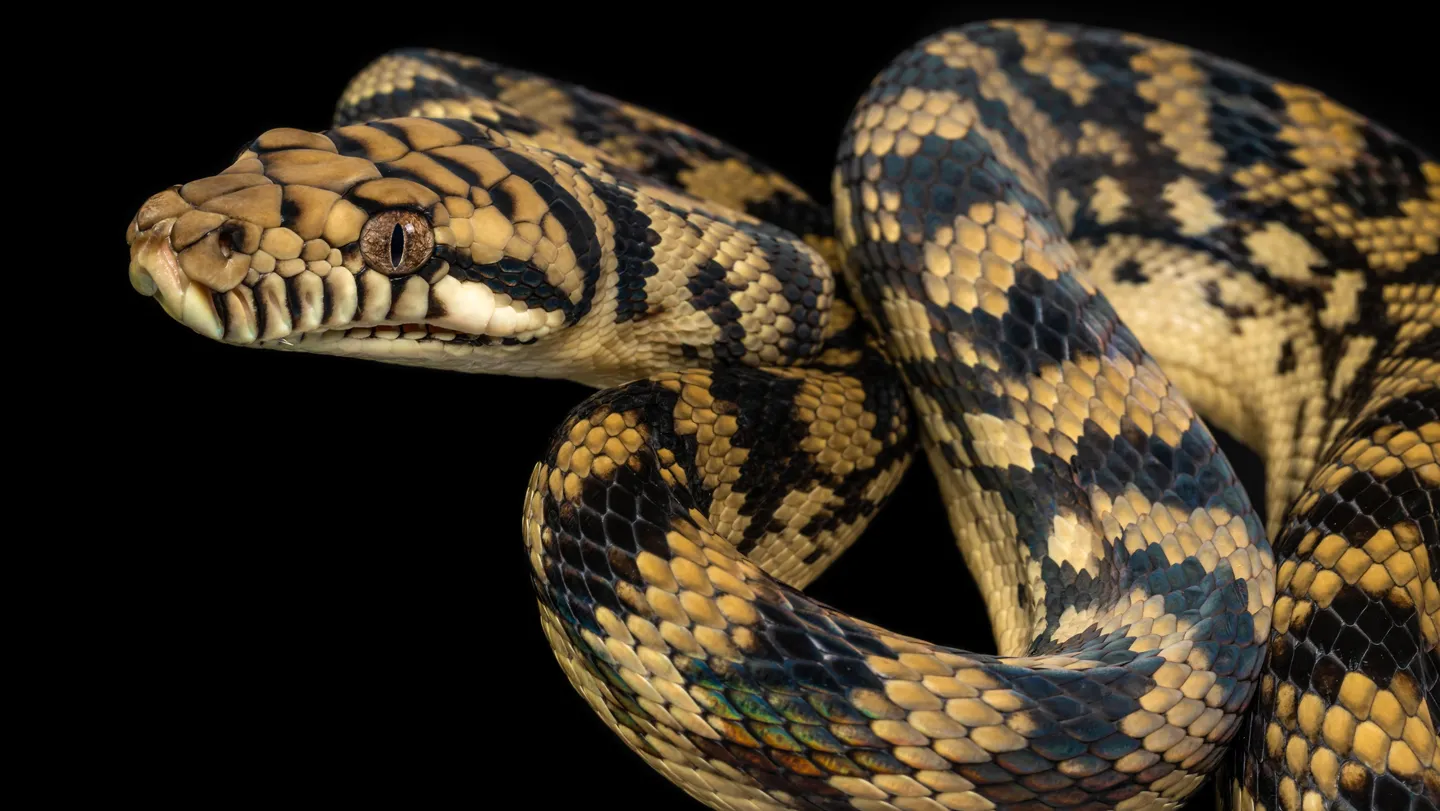
Observing a scrub python ascend a vertical branch offers a startling lesson in efficiency: the creature lifts its entire body weight without limbs, defying gravity through a precise distribution of muscular force. This biological feat, once dismissed as simple instinct, is now recognized as a sophisticated mechanical strategy with profound implications for human spinal health and the next generation of surgical robotics.
Key Clinical Takeaways:
- Energy Conservation Strategy: Snakes concentrate bending energy at the base of their posture, minimizing the metabolic cost of maintaining an upright stance.
- Active Elastic Filament Model: Modern mathematical modeling suggests snakes coordinate muscle activity globally rather than locally to prevent buckling under gravitational load.
- Biomimetic Applications: These findings directly inform the design of soft robotic endoscopes and rehabilitation protocols for human spinal instability.
The mechanics of this limbless ascent were recently quantified in a pivotal study published in the Journal of the Royal Society Interface. Researchers videoed brown tree snakes and scrub pythons navigating vertical gaps, revealing that the animals reliably contort into an S-like shape. Crucially, the curvature is maximal near the perch, while the upper body remains nearly vertical. This configuration ensures that gravity has minimal leverage to topple the animal, a principle of static equilibrium that parallels the biomechanics of the human spine.
To decode the forces at play, the research team modeled the snake as an “active elastic filament”—a soft structure capable of sensing its own shape and activating muscles in response. The mathematical analysis compared two potential strategies: local curvature response versus global whole-body coordination. The data indicated that global coordination requires significantly less force. As more of the snake rises into the air, the bending force at the base actually drops, suggesting an evolutionary optimization for energy efficiency.
While this research originates in zoology, the clinical translation for human medicine is immediate. The human vertebral column operates on similar principles of load distribution and core stability. Patients suffering from chronic lower back pain often exhibit a failure in this “global coordination,” relying on localized muscle spasms rather than integrated core stability to maintain posture. Understanding how a snake minimizes bending energy at its base offers a new framework for physical therapy.
For individuals recovering from spinal fusion or managing degenerative disc disease, the goal is often to reduce the shear force on the lumbar region. The snake’s strategy of concentrating curvature at the base while keeping the upper structure rigid mirrors the ideal posture taught in advanced rehabilitation. Patients struggling with persistent postural instability should consider consulting with vetted board-certified physical therapists who specialize in biomechanical retraining. These specialists can apply the principles of global muscle coordination to reduce the metabolic cost of standing and sitting for their patients.
“The distinction between local and global muscle coordination is the difference between fatigue and endurance. In human rehabilitation, we see patients ‘buckle’ under their own weight because they lack the integrated core stability that these snakes demonstrate instinctively.”
Dr. Elena Rossi, a Director of Spinal Biomechanics at a leading orthopedic research institute, emphasizes the relevance of this model to human pathology. “When we analyze gait and posture in patients with spondylolisthesis, we often see a fragmentation of movement,” Dr. Rossi explains. “The snake’s ability to act as a unified elastic filament suggests that our therapeutic focus should shift from strengthening isolated muscle groups to training the nervous system to coordinate the entire kinetic chain. This reduces the moment arm on the lumbar spine, effectively lowering the risk of injury.”
Beyond rehabilitation, the study holds significant weight for the medical device industry. The “active elastic filament” model is the blueprint for the next generation of soft robotic endoscopes. Current rigid surgical tools can cause tissue trauma when navigating the complex curves of the gastrointestinal or vascular systems. By mimicking the snake’s ability to concentrate bending energy at the base while keeping the distal end stable, engineers can design robots that navigate the human body with minimal friction and energy expenditure.
This innovation is not merely theoretical; it is entering the prototyping phase for minimally invasive procedures. However, the transition from biological observation to clinical device requires rigorous regulatory oversight. As these biomimetic robots move toward FDA clearance, medical device manufacturers must navigate complex compliance landscapes. To ensure patient safety and regulatory adherence, biotech firms are increasingly retaining healthcare compliance attorneys early in the development cycle. This proactive legal triage prevents bottlenecks when bringing novel robotic surgical tools to market.
The study, funded by standard academic grants through institutions like Georgia Tech and Harvard University, underscores the value of cross-disciplinary research. By applying the lens of physics to biology, and subsequently to medicine, we uncover solutions that pure clinical observation might miss. The research suggests that while snakes utilize little force to strike a pose, they expend considerable energy maintaining it, evidenced by the slight swaying observed in the video footage. This active stabilization is a reminder that “standing still” is a dynamic, energy-consuming process—a fact often overlooked in the treatment of human fatigue syndromes.
As we move further into 2026, the integration of biomimicry into standard care protocols is accelerating. The ability to translate the “S-shape” stability of a python into human spinal health represents a shift from symptom management to mechanical optimization. Whether through advanced robotic surgery or refined physical therapy, the lesson is clear: stability is not about rigidity, but about the intelligent distribution of force.
For healthcare providers and patients alike, staying abreast of these biomechanical breakthroughs is essential. Those interested in the cutting edge of spinal rehabilitation or the deployment of soft robotics in clinical settings are encouraged to connect with specialized orthopedic specialists and research networks. By bridging the gap between zoological observation and clinical application, we move closer to a standard of care that is as efficient and resilient as nature itself.
Disclaimer: The information provided in this article is for educational and scientific communication purposes only and does not constitute medical advice. Always consult with a qualified healthcare provider regarding any medical condition, diagnosis, or treatment plan.