
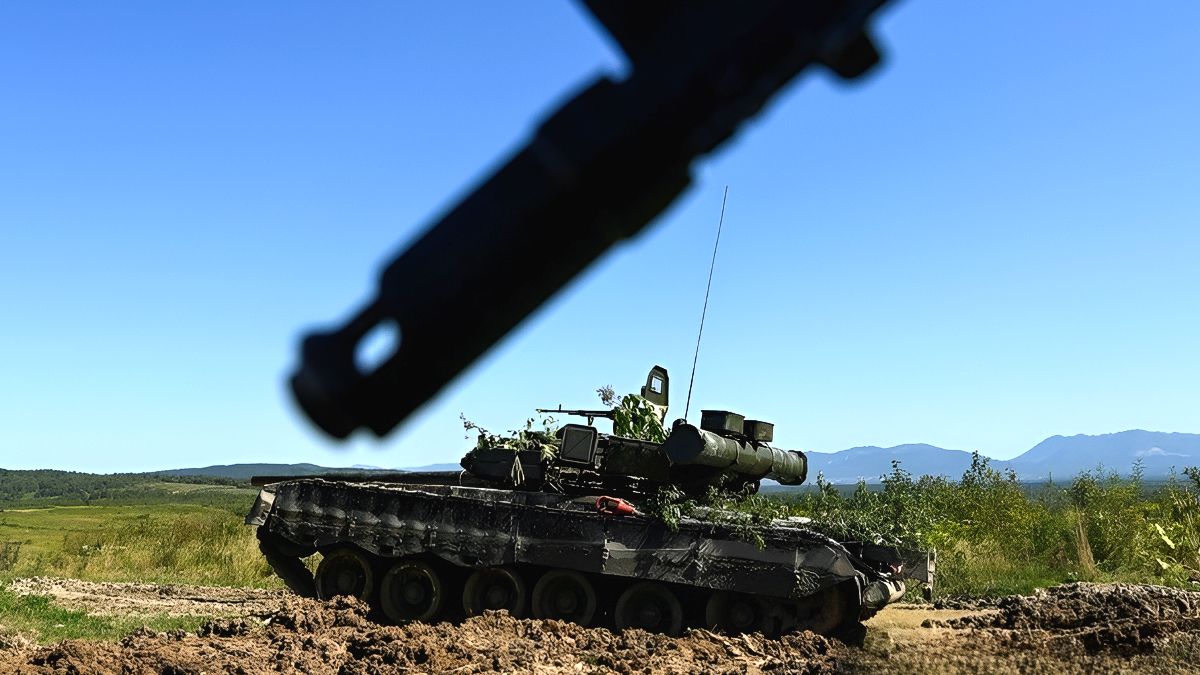
How Russian Tanks Given as Debt Fueled South Korea’s Defense Export Jackpot
Seoul converted a $3 billion sovereign default into a defense export empire through the 1996 Brown Bear Project. Russia repaid debt with T-80U tanks instead of cash. Thirty years later, reverse-engineered technology fuels tens of trillions in K-Defense revenue. This asset recovery strategy offers a blueprint for distressed cross-border financing.
The Sovereign Debt Swap That Built an Empire
Capital markets usually view sovereign defaults as catastrophic liquidity events. South Korea treated the 1991 Russian loan collapse as an acquisition opportunity. When Moscow couldn’t service the $3 billion economic cooperation loan, Seoul negotiated an offset agreement. The Brown Bear Project transferred military hardware instead of rubles. Thirty-three T-80U main battle tanks arrived on the peninsula in 1996. Most nations would have scrapped the equipment. Korean engineers dismantled every bolt.
This move required sophisticated legal structuring to navigate international arms trafficking regulations and sovereign immunity clauses. Corporations facing similar cross-border defaults often lack the internal expertise to structure such complex asset swaps. They require specialized legal counsel to navigate the regulatory minefield of distressed asset recovery. The initial transaction looked like a loss mitigation strategy. It became a technology incubation program.
Defense procurement cycles span decades. The immediate fiscal relief in the 90s mattered less than the intellectual property capture. Seoul avoided billions in R&D spending by analyzing Russian composite armor and gas turbine engines. This capital efficiency allowed domestic contractors to focus resources on integration rather than basic research. The Defense Acquisition Program Administration (DAPA) oversaw the technology absorption phase. Public records indicate this shortened the K2 Black Panther development timeline by nearly five years.
Reverse-Engineering the ROI
Financial analysts often overlook the hidden value in distressed asset portfolios. The T-80U provided data on reactive armor schemes that were otherwise unavailable to NATO allies. Hanwha Aerospace and Hyundai Rotem utilized this data to refine their own export models. Recent industry estimates suggest the cumulative export value of Korean ground systems now exceeds the original loan principal by a factor of ten. The return on investment extends beyond direct sales.
Supply chain resilience became the primary value driver. By understanding Russian metallurgy, Korean firms could anticipate counter-measures used by potential adversaries. This intelligence premium commands higher margins in international tenders. SIPRI arms transfer databases show a marked increase in market share for East Asian defense contractors since 2020. The geopolitical risk hedging inherent in this strategy appeals to institutional investors seeking stability in volatile sectors.
“The Brown Bear Project was not merely debt collection; it was a forced technology transfer that accelerated indigenous capability by a generation. We saw margin expansion in ground systems directly correlated to this intellectual capital injection.” — Senior Defense Analyst, Jane’s Information Group.
Capital allocation in the defense sector requires long-term visibility. Companies that rely solely on organic growth often miss these asymmetric opportunities. Access to strategic consulting firms helps identify undervalued assets in distressed markets. The original deal involved significant political risk. Modern firms must weigh similar risks against potential technological windfalls. Transparency in these dealings is crucial for maintaining investor confidence.
Refer to Hanwha Aerospace Investor Relations for current exposure to ground system exports. The earnings calls from major contractors highlight backlog growth driven by European demand. Poland and Norway have signed multi-year agreements for K2 variants. These contracts stabilize revenue streams against domestic budget fluctuations. DAPA official reports confirm the strategic shift toward export-oriented production lines.
Three Strategic Takeaways for Industrial CFOs
Executive leadership must view debt restructuring through a lens of asset utility. The Korean model demonstrates how liability management can transform into capability building. CFOs in heavy industry should evaluate distressed counterparts for intellectual property value rather than just liquidation value. This mindset shift requires robust due diligence frameworks.
- Asset Utility Over Liquidity: Accepting physical assets during default can yield higher long-term ROI than cash recovery if the assets contain proprietary technology.
- Supply Chain Intelligence: Analyzing competitor or adversary hardware provides data that reduces future R&D risk and informs product roadmap decisions.
- Regulatory Arbitrage: Navigating export controls requires compliance and risk management partners to ensure asset transfers do not violate international sanctions regimes.
Market volatility creates dislocation. Dislocation creates opportunity. The 1996 tank deal occurred during the Asian Financial Crisis. Today’s economic headwinds present similar scenarios for agile corporations. Firms with strong balance sheets can acquire technology access through distressed M&A. This approach requires patience and regulatory foresight.
Investors should monitor defense contractors with diversified export portfolios. Concentration risk remains a threat for firms reliant on single-government contracts. The Korean model diversifies revenue through global partnerships. Capital markets professionals note that defense stocks often outperform during periods of heightened geopolitical tension. The underlying technology moat protects margins even when volume fluctuates.
Global trade dynamics continue to shift. Supply chains are regionalizing. Defense industrial bases are nationalizing. Companies that control proprietary technology stacks hold the leverage. The T-80U story proves that yesterday’s scrap metal can become tomorrow’s jackpot. Executives need to build networks capable of identifying these value traps before the market corrects.
World Today News Directory connects leadership with the vendors who make these transitions possible. Whether sourcing investment banking partners for cross-border deals or finding legal teams for complex compliance, the right infrastructure matters. The next thirty-year jackpot lies in the distressed assets of today. Prepare the balance sheet accordingly.