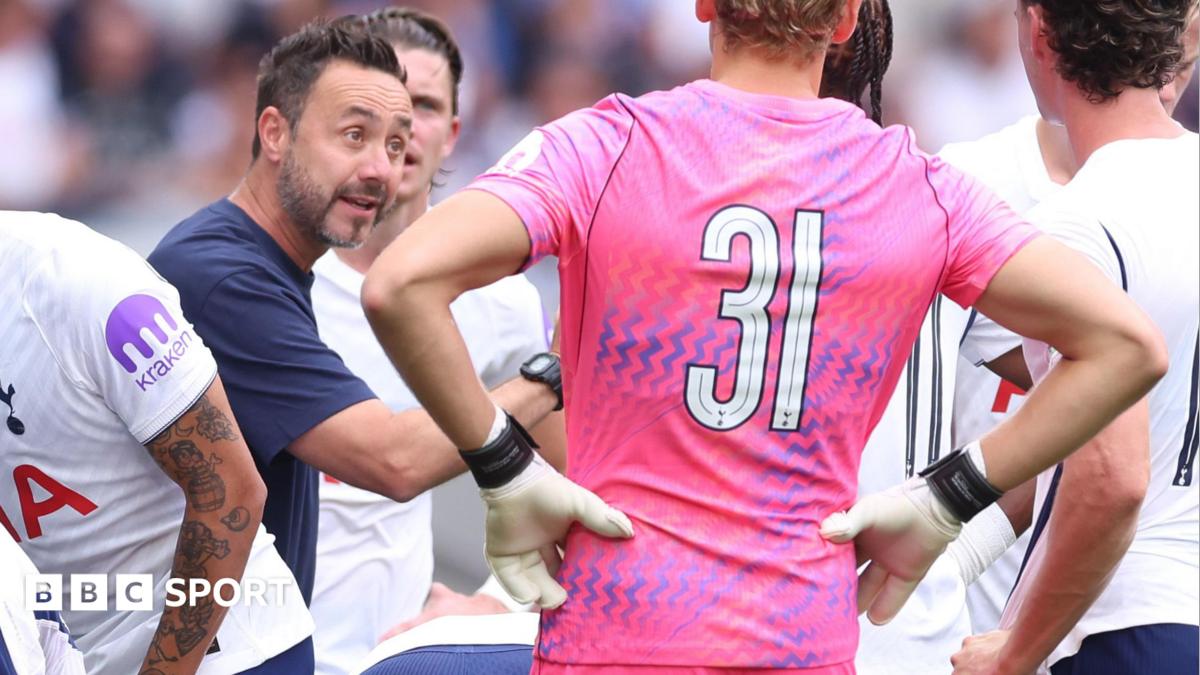
How Roberto De Zerbi is Transforming Tottenham Hotspur Tactics
Following the appointment of Roberto De Zerbi as head coach at Tottenham Hotspur, analysts and supporters are dissecting how the club’s new tactical approach transforms the team on the pitch. De Zerbi steps into the role with an unusually expansive philosophy centered on aggressive attacking football. The Italian manager takes over a side he joined in March with the primary objective of avoiding relegation, subsequently executing a busy summer transfer window that brought six new players into the squad.
Tactical Blueprint and the Rise of Conor Gallagher
De Zerbi’s tactical system relies on dominating possession through an aggressive 3-2-5 structure, though with methods distinct from traditional possession-heavy teams like Pep Guardiola’s Manchester City. Yahoo Sports UK notes that these intricate tactical demands now place Conor Gallagher at the centrepiece of the new-look Tottenham side. Rather than suffocating opponents away from their own goal, De Zerbi utilizes press-baiting. Defenders hold the ball to entice opposing teams forward before cutting through the lines with quick passes, a mechanism Jamie Carragher analyzed on Sky Sports Monday Night Football during De Zerbi’s tenure at Brighton & Hove Albion.
The system relies heavily on touchline-hugging wingers who charge at goal and aggressive man-to-man pressing to win possession back. Pre-season fixtures, including a 3-0 victory against Hoffenheim, indicate that Spurs are experimenting with formations like a 4-2-4 while in possession. Full-backs push wide to stretch opposing midfielders and open up central avenues of attack, while young prospects like Archie Gray and Lucas Bergvall are positioned to benefit from the sheer positional complexity required by the coaching staff.
Comparative Metrics and Defensive Vulnerabilities
Historical data from De Zerbi’s previous managerial stops illustrates both the offensive potency and the defensive risks inherent in his preferred style. During his time at Brighton and French club Marseille, his teams routinely posted elite numbers in possession and chance creation while simultaneously exposing themselves to rapid transitions.

| Metric | Brighton & Hove Albion (Rank) | Marseille (Rank) |
|---|---|---|
| Possession | 60.9% (2nd) | 63.9% (2nd) |
| Expected Goals | 122.37 (5th) | 67.97 (3rd) |
| Chances Created | 850 (5th) | 381 (3rd) |
| Goals Against | 110 (6th) | 47 (10th) |
| Fast Breaks Faced | 65 (1st) | 40 (=5th) |
| Direct Attacks Leading to Goals Against | 13 (1st) | 8 (1st) |
The statistical breakdown reveals that while Brighton and Marseille ranked inside the top five for attacking metrics, they also suffered defensively. Both clubs conceded more goals from direct attacks than any other side in their respective leagues, with Brighton conceding the most fast breaks overall. This high-risk tactical profile means opponents frequently try to stop Spurs by defending narrowly in the middle and blocking passing lanes, forcing De Zerbi’s side to constantly adapt by shifting attacks down the flanks or pulling central markers out of position.
Economic Footprint and Local Infrastructure Demands
As the season progresses, the success of De Zerbi’s tactical gamble will depend on whether Tottenham can harness the offensive brilliance of his press-baiting system without exposing their backline to the catastrophic fast breaks that marked his spells at Brighton and Marseille. The club’s investments in the transfer market and tactical adaptation on the training ground point toward an uncompromising commitment to high-risk, high-reward football.

Disclaimer: The insights provided in this article are for informational and entertainment purposes only and do not constitute medical advice or sports betting recommendations.