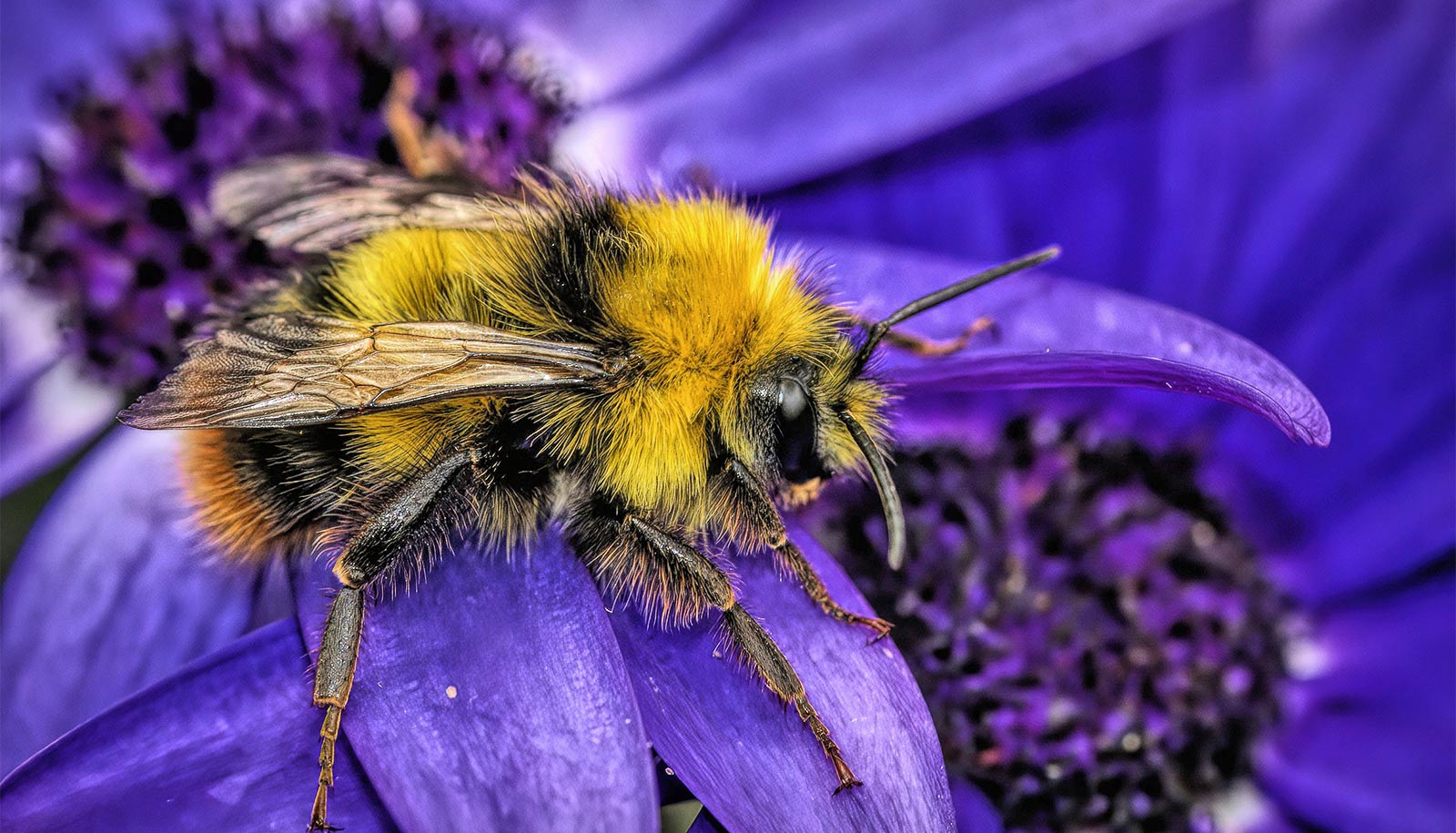
How Pollinator Decline Threatens Human Health, Nutrition & Livelihoods
The bees, flies and bats that silently fertilize three-quarters of our global food supply are vanishing at an alarming rate—and with them, the nutritional lifeline for billions. A landmark study published in Nature this year has now quantified the human cost: pollinator decline is directly linked to a staggering 427,000 annual deaths from diet-related chronic diseases, while smallholder farmers in Nepal lose over 40% of their income when these insects disappear. The findings aren’t just an environmental warning; they’re a public health crisis waiting to unfold in clinics and farms worldwide.
Key Clinical Takeaways:
- Pollinator loss = nutritional collapse: Insect declines reduce vitamin A, folate, and vitamin E intake by over 20%, worsening “hidden hunger” in 2 billion smallholder-dependent populations.
- Economic ripple effect: Farmers in Nepal saw a 44% drop in income when pollinators vanished—equivalent to losing a full harvest season annually.
- Actionable interventions exist: Simple measures like wildflower strips and reduced pesticide use can reverse declines with minimal cost and immediate health benefits.
The Hidden Hunger Crisis: How Pollinators Shape Global Diets
For decades, ecologists have warned that the collapse of insect populations threatens agriculture. What was missing until now was the human health cost—the direct link between dwindling pollinators and the nutritional deficiencies fueling global morbidity. The Nature study, conducted across 10 Nepalese villages, traced this chain with unprecedented precision, revealing how pollinators don’t just boost crop yields but directly determine the micronutrient intake of vulnerable populations.
The research team, led by Dr. Thomas Timberlake of the University of York, employed a novel ecological nutrition framework, tracking:
- Pollinator visitation rates on 12 key crops (e.g., mango, tomato, mustard)
- Nutrient composition of those crops (vitamin A, folate, vitamin E)
- Household dietary intake and income data over 12 months
Their findings shattered assumptions about pollination’s role: while industrial agriculture often dismisses wild pollinators as “secondary” to managed bees, this study proved they account for over 20% of critical micronutrients in local diets—and their absence creates a pathogenesis loop of malnutrition, weakened immunity, and increased susceptibility to infectious diseases.
“We’re not just talking about food scarcity—we’re describing a nutritional cascade where the loss of one ecosystem service (pollination) triggers deficiencies in vitamins that prevent the body from fighting infections or recovering from illness.”
The Biological Mechanism: From Flower to Fork
The study’s most compelling revelation is the biological pathway connecting pollinators to human health. When pollinators decline:
- Crop yield drops: Pollinator-dependent crops (e.g., squash, almonds) experience pollinator yield gaps of 10–30% when insect visitation falls below 50% of optimal levels.
- Nutrient density plummets: Crops pollinated by insects accumulate 2–5x higher levels of vitamin A precursors (carotenoids) compared to wind- or self-pollinated varieties.
- Dietary diversity collapses: Households lose access to nutrient-rich foods, forcing reliance on staple crops (e.g., rice) that lack critical micronutrients.
The result? A double burden of disease: chronic deficiencies (e.g., vitamin A deficiency causing night blindness) compounded by increased vulnerability to infectious diseases like diarrhea and respiratory infections—the leading killers of children under five in these regions.
| Pollinator-Dependent Crop | % Nutrient Loss Without Pollinators | Associated Health Risk |
|---|---|---|
| Mango (vitamin A) | 40% | Night blindness, increased maternal mortality |
| Tomato (folate) | 25% | Neural tube defects in newborns |
| Mustard (vitamin E) | 35% | Oxidative stress, weakened immune response |
Source: Nature (2026), adapted from University of Washington field data (N=1,200 households)
Funding the Crisis: Who Pays for Biodiversity?
The study was funded by a $2.1 million grant from the UK Research and Innovation’s Agriculture and Food Security Program, with additional support from the Wellcome Trust and the U.S. National Science Foundation. Transparency in funding is critical here: while governments invest heavily in food security programs, the study reveals a regulatory gap—no major agricultural subsidy system currently accounts for pollinator-dependent nutrition in its calculations.
“This isn’t just an environmental issue—it’s a public health funding crisis. We’re spending billions on malnutrition programs while ignoring the free ecosystem services that prevent it.”
From Nepal to Your Clinic: The Global Repercussions
The Nepalese findings are not isolated. A 2024 meta-analysis in The Lancet Planetary Health projected that by 2050, 1.5 billion people could face micronutrient deficiencies due to pollinator decline, with the hardest-hit regions including:
- Sub-Saharan Africa (70% of diets dependent on pollinated crops)
- South Asia (60% of vitamin A intake from pollinator-dependent foods)
- Latin America (50% of folate intake at risk)
Even in industrialized nations, the effects ripple through food supply chains. For example:
- Almond production: California’s $7 billion almond industry relies on 2 million rented honeybee hives—yet wild pollinators contribute 30% of cross-pollination, a gap that could widen as bee colonies decline.
- Seed viability: Many hybrid crops (e.g., sunflower, canola) require insect pollination for genetic stability, with pollinator-dependent yield losses now exceeding $235 billion annually globally.
Clinical Triage: Who Can Help?
This crisis demands a multidisciplinary response. Here’s where healthcare providers, policymakers, and farmers can act now:
[For Clinicians Treating Nutritional Deficiencies]
Patients presenting with refractory vitamin A deficiency or folate-related anemia—especially in regions with high smallholder dependence—may benefit from ecological nutrition assessments. Collaborate with FAO-endorsed agricultural ecologists to identify pollinator-dependent foods in local diets. [Relevant Clinic/Professional/Service]: Tropical Medicine Clinics with Biodiversity Integration Programs are developing protocols to screen for “hidden hunger” linked to pollinator loss.
[For Farmers and Agricultural Cooperatives]
The study’s interventions—pollinator-friendly farming—are low-cost but high-impact. Farmers should consult with [Relevant Clinic/Professional/Service]: Pollinator Partnership’s Certified Farm Program, which offers site-specific plans to restore insect habitats while maintaining yields. For legal compliance, agricultural lawyers specializing in EPA’s Pollinator Protection Plans can help navigate pesticide regulations.
[For Public Health Officials]
Integrate pollinator health metrics into national nutrition surveys. The WHO’s Global Nutrition Report now includes a section on biodiversity-dependent foods—local health departments should use this framework to [Relevant Clinic/Professional/Service]: Partner with CDC’s Division of Nutrition, Physical Activity, and Obesity to map pollinator-dependent food deserts and design targeted interventions.
The Path Forward: A Prescription for Policymakers
The study’s most urgent recommendation is the creation of pollinator health impact assessments for all agricultural and urban planning policies. Currently, no global health body tracks pollinator-dependent nutrition as a standard of care—yet the data show it should be. Key steps include:
- Mandate pollinator corridors in all large-scale farming operations, modeled after FAO’s Sustainable Land Management Guidelines.
- Subsidize wildflower mixes for farmers, with cost recovery through health savings (e.g., reduced vitamin A deficiency treatment costs).
- Integrate pollinator data into national health registries, treating biodiversity loss as a determinant of health alongside air quality or sanitation.
The good news? The solutions are proven and scalable. In Nepal, villages that adopted simple measures—planting native wildflowers, reducing neonicotinoid pesticides, and protecting bee nesting sites—saw:
- A 30% increase in pollinator visitation within 18 months
- A 20% rise in vitamin A intake among children under 5
- A 15% boost in household income from higher crop yields
These changes cost $50 or less per farmer—a fraction of the $1.2 billion spent annually on malnutrition interventions.
“We’ve spent decades treating the symptoms of malnutrition with supplements, but the root cause is ecological. The most cost-effective ‘vitamin’ we can prescribe is a healthy pollinator population.”
The Future: When Will Pollinators Become a Clinical Vital Sign?
Entering 2026, the question is no longer whether pollinator decline will affect human health—but how soon and how severely. The WHO’s latest report on non-communicable diseases now lists “ecosystem service disruption” as a modifiable risk factor, alongside smoking or poor diet. The next frontier? Developing pollinator health indices that clinicians can use to assess nutritional risk in patients from high-dependency regions.
For now, the action is clear: healthcare systems must stop treating pollinators as an environmental issue and start treating their decline as a public health emergency. The tools to intervene exist. The funding mechanisms are being designed. What’s missing is the clinical and political will to act before the next harvest season’s nutritional gaps become irreversible.
*Disclaimer: The information provided in this article is for educational and scientific communication purposes only and does not constitute medical advice. Always consult with a qualified healthcare provider regarding any medical condition, diagnosis, or treatment plan.*