How Osteoporosis Affects Your Dental Health
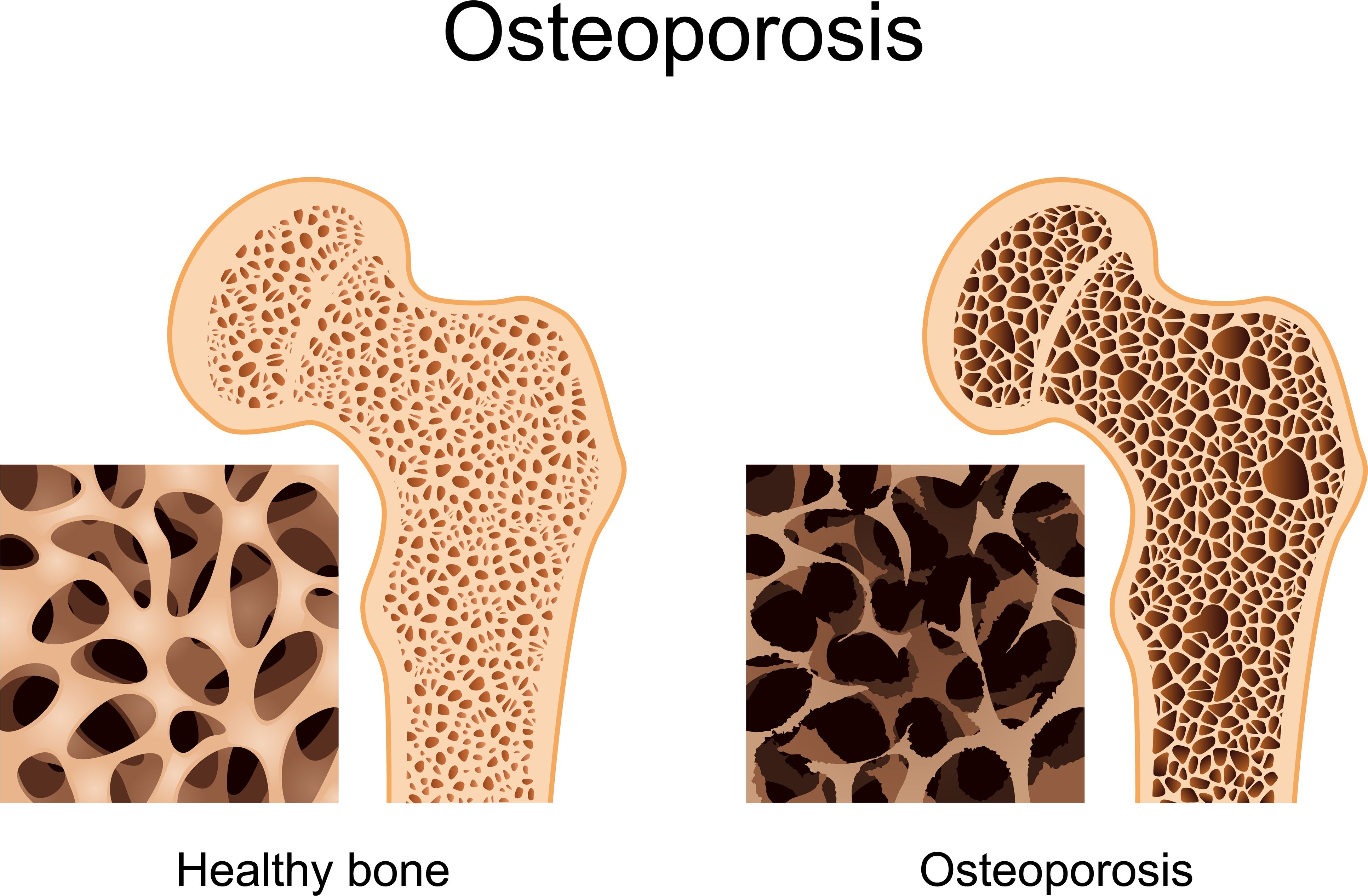
Osteoporosis, a systemic skeletal disorder characterized by low bone mass and microarchitectural deterioration, presents a significant, often overlooked risk to oral health. Recent clinical observations underscore that the reduction in bone mineral density (BMD) associated with the condition does not remain confined to the appendicular skeleton; it frequently manifests in the alveolar bone, the specialized ridge of the jaw that supports the teeth. As the systemic disease progresses, the structural integrity of the mandible and maxilla may be compromised, leading to increased tooth mobility and potential tooth loss.
Key Clinical Takeaways:
- Osteoporosis induces systemic bone loss that directly impacts the alveolar process, which may manifest as accelerated periodontal attachment loss or tooth instability.
- Early diagnosis via dual-energy X-ray absorptiometry (DXA) scans remains the gold standard for identifying patients at high risk for both fracture and oral structural decline.
- Collaboration between primary care physicians and specialized dental practitioners is essential to manage the intersection of bone density loss and oral surgical outcomes.
Pathophysiology: The Alveolar-Systemic Connection
The pathogenesis of osteoporosis involves an imbalance in bone remodeling, where osteoclastic resorption outpaces osteoblastic bone formation. While the femur and vertebrae are common sites for clinical monitoring, the alveolar bone is highly vascularized and exhibits a high turnover rate. According to research published in the Journal of Periodontology, patients with established systemic osteoporosis demonstrate a statistically significant reduction in mandibular bone density compared to age-matched controls. This loss of mineralized tissue can exacerbate existing periodontal disease, as the supporting structures of the teeth become less dense and more susceptible to inflammatory destruction.
When the alveolar crest height diminishes, the periodontal ligament loses its stable anchoring point. This process is not merely a localized phenomenon; it is a clinical marker of systemic bone failure. For patients presenting with unexplained dental mobility or significant radiographic evidence of bone loss during routine oral examinations, a referral for systemic bone density assessment is often warranted. To ensure timely intervention, patients should consult with a [Vetted Periodontist or Oral Surgeon] to evaluate the intersection of periodontal health and systemic skeletal density.
Diagnostic Integration and Clinical Management
The standard of care for identifying skeletal fragility involves the use of DXA scans to calculate T-scores. However, the oral cavity often provides the first visual evidence of systemic skeletal decline. Dental practitioners are uniquely positioned to identify early markers of osteoporosis through panoramic radiographs, which may reveal thinning of the mandibular cortex. These findings necessitate a multidisciplinary approach.
Clinical management of osteoporosis often involves bisphosphonates or RANK ligand inhibitors. While these agents are effective in increasing BMD, they carry a known, albeit rare, risk of medication-related osteonecrosis of the jaw (MRONJ). This risk profile makes the communication between a patient’s primary care physician and their dental provider critical. Before initiating or adjusting therapy, medical teams must conduct a thorough dental risk assessment. If you are currently undergoing treatment for low bone density, it is advisable to coordinate with a [Specialized Diagnostic Imaging Center] to monitor your oral bone architecture regularly.
Addressing the Risk of Periodontal Complications
Epidemiological data from the World Health Organization (WHO) indicates that the prevalence of osteoporosis continues to rise with an aging global population, directly correlating with increased rates of tooth loss in the geriatric demographic. The clinical gap lies in the delay between systemic diagnosis and dental screening. By the time a patient experiences significant tooth mobility, the structural damage to the jawbone may be advanced.
Proactive management requires a dual-track strategy. First, maintaining systemic health through adequate calcium and vitamin D intake, alongside weight-bearing exercise as recommended by the National Osteoporosis Foundation. Second, ensuring that dental care is not treated as an isolated health silo. For those seeking comprehensive management of complex dental issues related to systemic bone loss, connecting with a [Board-Certified Dental Specialist] can provide the necessary oversight to mitigate long-term morbidity.
Future Directions in Bone Health Research
Current research efforts, funded in part by the National Institutes of Health (NIH), are investigating the molecular pathways that link chronic systemic inflammation to localized alveolar bone resorption. As clinicians move toward more personalized medicine, the integration of salivary biomarkers for bone loss is being explored as a non-invasive diagnostic tool to supplement traditional X-ray imaging. This evolution in care underscores the necessity for patients to remain vigilant regarding both their skeletal health and their oral hygiene.
The clinical trajectory for patients with osteoporosis is shifting toward early, integrated screening. By recognizing that dental health is a vital component of systemic skeletal integrity, patients can prevent the progression of severe complications. For individuals concerned about how their bone density might impact their long-term oral health, it is imperative to establish a care plan that bridges the gap between endocrinology and dentistry through a [Consultation with a Vetted Healthcare Professional].
Disclaimer: The information provided in this article is for educational and scientific communication purposes only and does not constitute medical advice. Always consult with a qualified healthcare provider regarding any medical condition, diagnosis, or treatment plan.