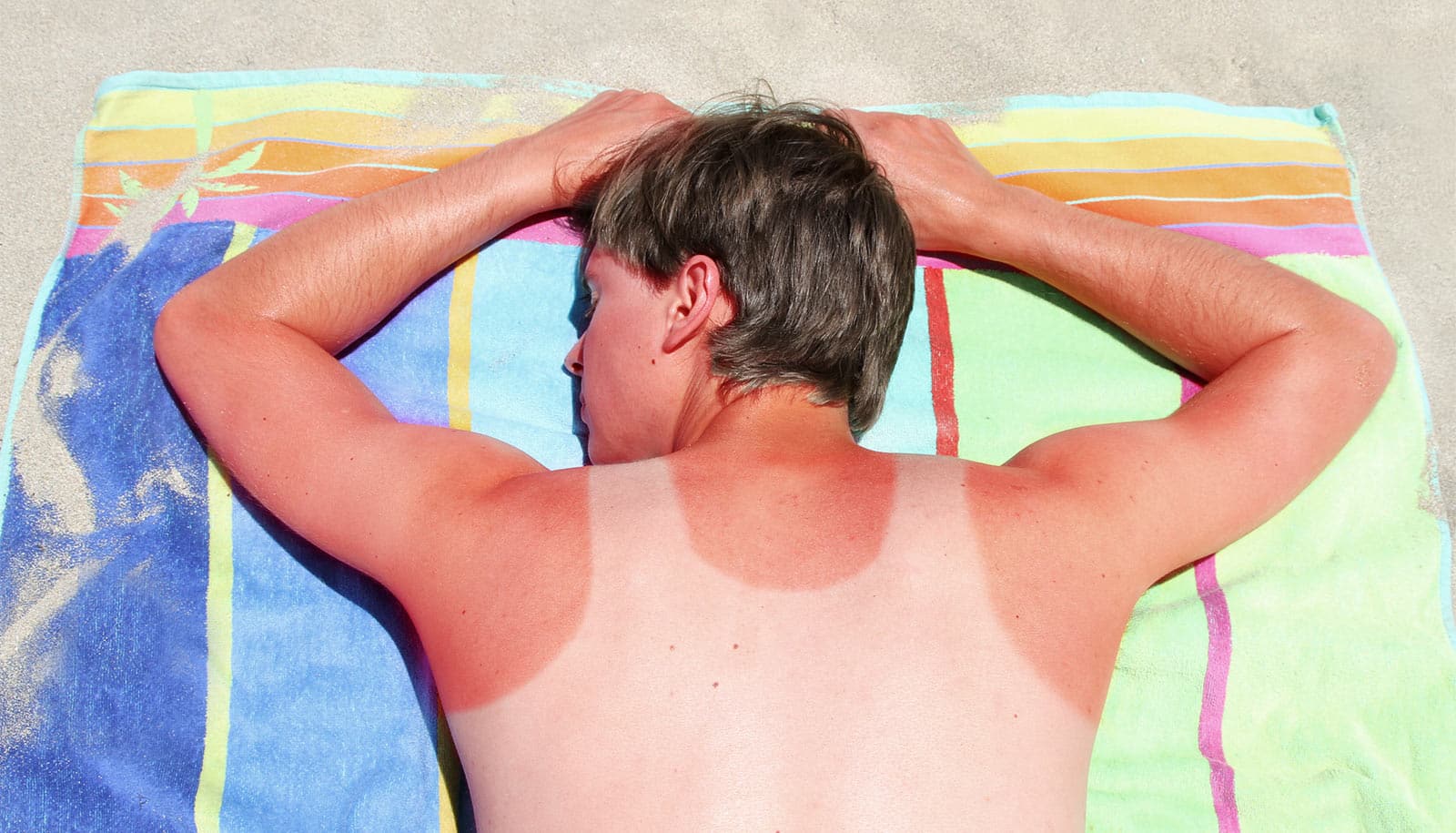
How One Sunburn Can Be Life-Changing and Increase Skin Cancer Risk
Ultraviolet radiation exposure resulting in a severe, blistering sunburn creates DNA mutations within skin cells that can contribute to the development of skin cancer, according to clinical data published by researchers at the University of Rochester. While viral social media trends frequently label any acute skin redness as a life-changing injury, medical experts emphasize that true clinical danger stems from deep cellular trauma occurring during unprotected sun exposure.
- Severe sunburns cause ultraviolet radiation damage to cellular DNA, leading to mistakes when the body repairs that damage.
- Clinical data indicates that just five blistering sunburns between ages 15 and 20 increase melanoma risk by 80 percent, according to the American Academy of Dermatology.
- Immediate medical evaluation is warranted when burns present with extensive blistering, severe pain, fever, or other concerning symptoms.
Cellular Pathogenesis and DNA Mutation Mechanics
When skin absorbs excessive ultraviolet rays, the radiant energy damages the DNA inside skin cells. Adrienne Victor, oncologist at the University of Rochester Medicine Wilmot Cancer Institute, explains that when the body repairs that damage, mistakes can sometimes occur. Over time, these mutations can accumulate and contribute to the development of skin cancer.
Complementing these findings, clinical observations detailed by Dr. Michelle Henry of Skin & Aesthetic Surgery of Manhattan note that while the body can repair some of that damage, it doesn’t repair all of it. Individuals accumulating ten or more severe sunburns across a lifetime face about 240% the risk of developing melanoma, the deadliest form of skin cancer. This cumulative pathogenesis underscores why dermatologists evaluate sun damage through both severity and frequency metrics.
Pediatric Vulnerability and Developmental Risk Factors
Children and adolescents may be particularly vulnerable to the long-term effects of severe sunburns compared to adults. Jinia El-Feghaly, chief of pediatric dermatology at University of Rochester Medicine Golisano Children’s, points out that the biology of pigment-producing skin cells in youth, combined with the higher likelihood of sun exposure and inconsistent use of sun protection, creates a heightened risk profile. Data, including a Norwegian study cited by Dr. Michelle Henry, demonstrates that a higher frequency of sunburns during childhood is associated with a higher risk of skin cancer later in life, even if sunburns become less frequent in adulthood.

Beyond oncological hazards, acute high-intensity burns disrupt the skin barrier sufficiently to cause systemic morbidity. Dr. Michelle Henry notes that damaged skin loses fluid and can’t regulate temperature as effectively, while large blisters create an opening for bacteria, increasing the risk of infection. Such burns could cause permanent pigment changes or scarring.
Mitigation Strategies and Clinical Standard of Care
Preventing a life-changing sunburn requires multi-modal photoprotection rather than reliance on a single defensive measure. Standard clinical guidelines advise combining broad-spectrum sunscreen with protective clothing, hats, seeking shade, and limiting time in direct sunlight, especially when UV levels are highest. Addressing persistent misconceptions regarding chemical filters, oncology specialists emphasize that the strongest evidence points to ultraviolet radiation—rather than sunscreen ingredients—as the primary cause of most skin cancers.

When acute burns occur, standard therapeutic management focuses on supportive care, utilizing cool compresses, plenty of fluids, and appropriate moisturizers to alleviate discomfort while damaged skin cells are shed.
As longitudinal tracking continues to refine our understanding of ultraviolet carcinogenesis, the clinical consensus remains definitive: mitigating future risk depends on consistent, proactive sun safety practices enacted across all demographic groups and Fitzpatrick skin types.
Disclaimer: The information provided in this article is for educational and scientific communication purposes only and does not constitute medical advice. Always consult with a qualified healthcare provider regarding any medical condition, diagnosis, or treatment plan.