
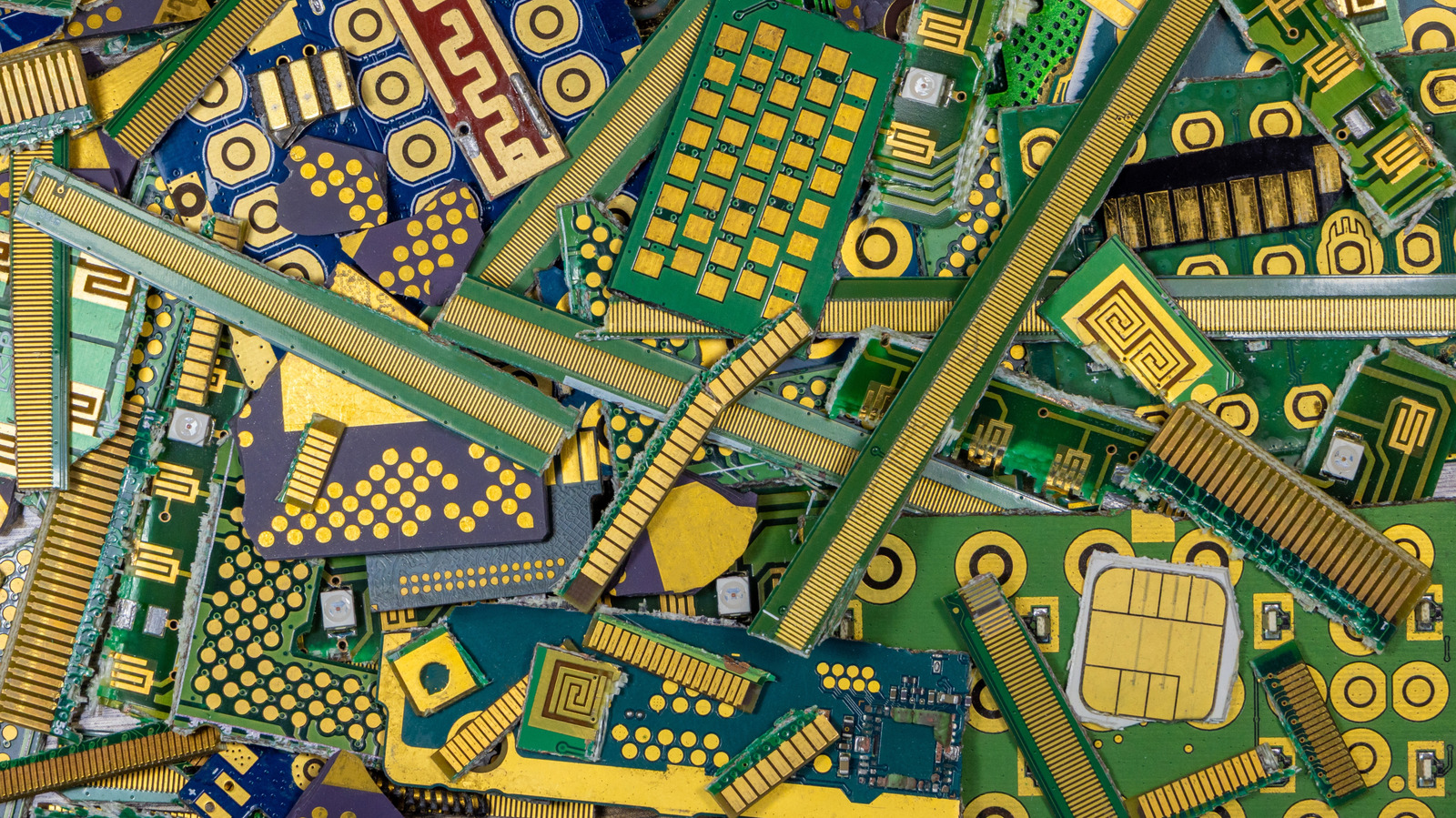
How Much Gold Is in Your Old Laptop? (And Why It Matters)
The gold within our electronic devices, while present, is not easily extracted for profit, according to industry estimates. Despite the increasing reliance on smartphones, laptops, and other gadgets, recovering commercially viable quantities of gold requires processing a substantial volume of discarded electronics.
Experts at SD Bullion estimate that an average computer contains approximately one-fifth of a gram of gold. Laptops, generally smaller in size and component count, typically hold around a tenth of a gram. While not insignificant, the amount is too small to justify individual extraction efforts.
The presence of gold in electronics stems from its unique properties. Gold is highly conductive, essential for efficient circuit boards and components like CPUs and RAM. Crucially, it resists corrosion and doesn’t tarnish over time, maintaining electrical efficiency. This makes it ideal for plating connectors, switches, and bonding wires where reliable electrical transmission is paramount.
Gold’s application isn’t limited to computers and smartphones. It’s also found in household appliances – refrigerators, washing machines, televisions – and even automotive electronics. This widespread apply underscores the importance of responsible electronics recycling.
Recycling programs offer a practical solution, allowing for the recovery and reuse of these valuable materials. Rather than ending up in landfills, where they could potentially leach into the environment, gold and other rare earth metals can be safely reclaimed. Costco, for example, currently offers trade-in programs for old electronics, providing a convenient alternative to individual dismantling.
The process of recovering materials from electronics mirrors battery recycling, where components are broken down, safely disposed of, or repurposed. This prevents hazardous waste and promotes a circular economy for valuable resources.