How mRNA Cancer Vaccines Face Threats From Misinformation
Personalized mRNA cancer vaccines have achieved a significant late-stage clinical trial milestone, reducing melanoma recurrence when combined with immunotherapy, while public health officials confront an opposing wave of digital misinformation threatening patient confidence in the technology.
- Clinical research testing mRNA vaccines across multiple tumor types—including brain, breast, lung, and prostate cancers—spans over 120 trials since the early 2000s.
- Unverified social media narratives regarding “turbo cancer” continue to circulate, prompting concern among health communication researchers that public health uptake could be undermined.
Late-Stage Clinical Trial Milestones and Immunotherapy Combinations
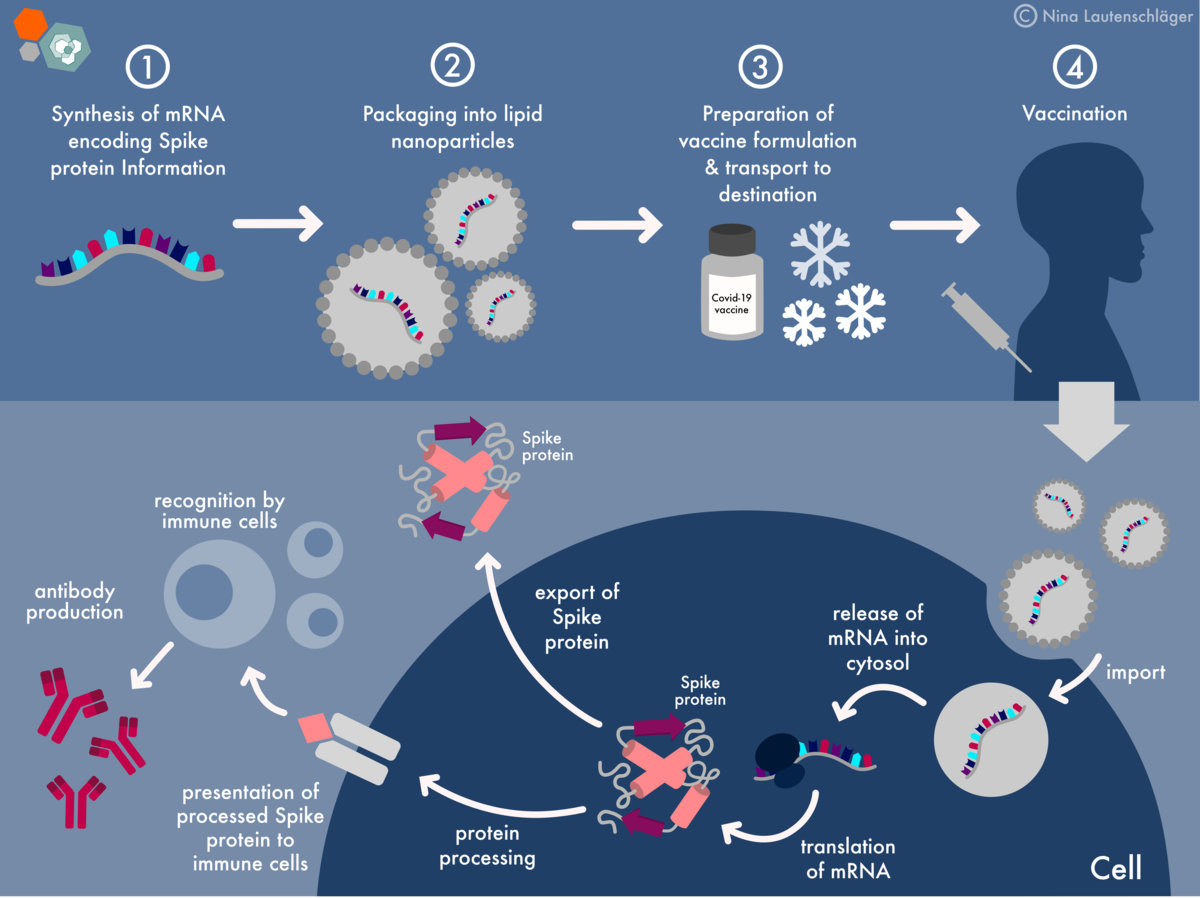
The recent success of intismeran autogene marks the first time an mRNA cancer vaccine has succeeded in a late-stage trial, offering a concrete step forward in oncology. By delivering instructions that prompt the body’s cells to make specific proteins, mRNA technology teaches the immune system to recognize and attack tumor cells without harming healthy tissue. For patients exploring advanced immunotherapeutic options or personalized diagnostic profiling, navigating eligibility requires specialized clinical triage. It is vital to consult with vetted oncologists and clinical trial coordinators at facilities such as designated cancer treatment centers to evaluate individual diagnostic parameters.
Decades of Research Versus Digital Misinformation Infodemics
While the underlying science of mRNA delivery has been studied for decades, public familiarity largely accelerated during the COVID-19 pandemic. That period also catalyzed a secondary phenomenon: an infodemic characterized by the rapid spread of unverified health claims. Anti-vaccine advocates popularized the term “turbo cancer” to falsely claim that COVID-19 mRNA vaccines cause unusually aggressive malignancies. Such claims rely on misconstrued scientific literature rather than empirical data tracked by global health authorities like the World Health Organization.
Broadening Applications in Oncology and Glioblastoma Research
Beyond melanoma, investigators are evaluating mRNA platforms against some of the most treatment-resistant malignancies in medicine. Studies focusing on glioblastoma, an aggressive brain tumor with historically low survival rates, demonstrate that personalized mRNA vaccines can rapidly activate patient immune responses. As clinical investigators scale these trials toward regulatory review, healthcare institutions emphasize the importance of evidence-based patient education. Ensuring patients receive accurate guidance from qualified specialists—such as those accessible through specialized oncology networks—remains essential as these therapeutic modalities advance through clinical pipelines.

*Disclaimer: The information provided in this article is for educational and scientific communication purposes only and does not constitute medical advice. Always consult with a qualified healthcare provider regarding any medical condition, diagnosis, or treatment plan.*