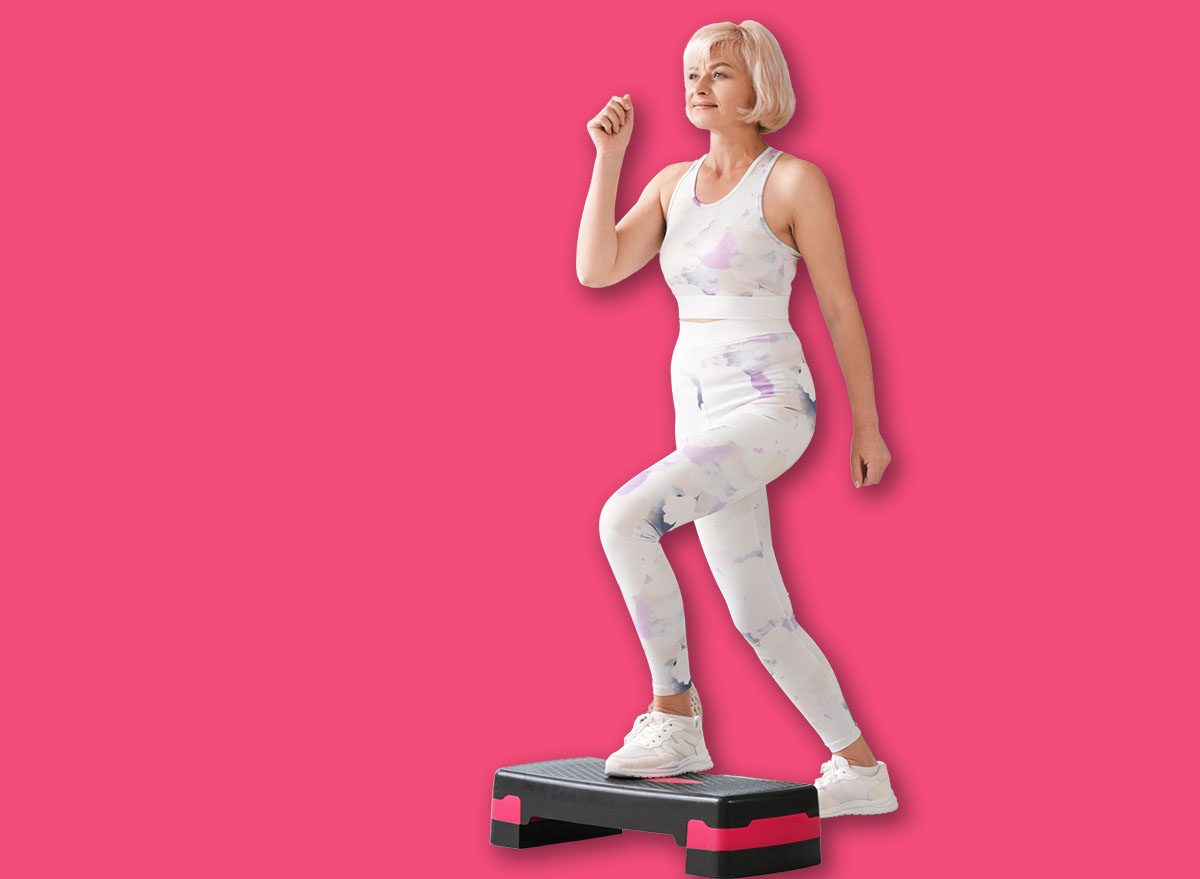
How Many Step-Ups Do You Need for Elite Leg Power After 60?
<>
For adults over the age of 60, achieving the ability to perform 50 to 60 continuous step-ups serves as a practical, high-fidelity indicator of elite leg power and cardiorespiratory health.
Key Clinical Takeaways:
- Functional Benchmark: Completing 50 to 60 continuous step-ups without stopping is a recognized indicator of superior lower-body power and endurance in older adults.
- Cardiorespiratory Correlation: Step-up tests measure more than just muscle fatigue; they provide a direct assessment of how the heart and lungs respond to sustained physical stress.
- Safety-First Protocol: For those beginning assessment, a 6-inch step is recommended to prioritize biomechanical form and joint stability over sheer repetition count.
The Physiological Basis of the Step-Up Assessment
The step-up is categorized as a unilateral movement, necessitating that the body stabilize itself while moving vertically through space. This action recruits the quadriceps, glutes, hamstrings, and calves—the primary muscle groups responsible for locomotion and postural stability. As individuals age, the natural decline in muscle mass often begins to manifest as a reduction in the ability to navigate uneven surfaces or climb stairs.
From an exercise science perspective, the step-up is not merely a test of muscular endurance. It is a metabolic challenge. By engaging the largest muscle groups in the body, the movement elevates the demand on the cardiorespiratory system. Anderson notes that the test’s primary utility lies in observing heart rate recovery and response, which serves as a proxy for overall physical resilience and longevity.
Establishing the Clinical Standard for Performance
The standard methodology requires a step height of 30cm (approximately 12 inches) and a cadence of 24 steps per minute. This rhythm is often facilitated by a metronome set to 96 beats per minute.
Following the 3-minute duration, the subject rests in a seated position. A pulse count taken immediately during the minute following the exercise (minutes 3 to 4) offers a snapshot of cardiovascular recovery.
Biomechanical Precision and Injury Prevention
The clinical efficacy of the step-up is entirely dependent on the maintenance of proper form. Compensation patterns, such as letting the knee collapse inward (valgus stress) or relying on momentum from the trailing leg, can transform a therapeutic exercise into a source of joint irritation. To ensure safety, practitioners emphasize the following:
- Full Foot Contact: Ensure the entire sole is supported by the step to distribute pressure evenly across the midfoot.
- Pelvic Stability: Maintain a level pelvis throughout the ascent and descent to prevent lumbar strain.
- Controlled Deceleration: The lowering phase is as critical as the ascent; rushing the descent increases eccentric stress on the patellar tendon.
Future Trajectories in Geriatric Functional Assessment
Disclaimer: The information provided in this article is for educational and scientific communication purposes only and does not constitute medical advice. Always consult with a qualified healthcare provider regarding any medical condition, diagnosis, or treatment plan.