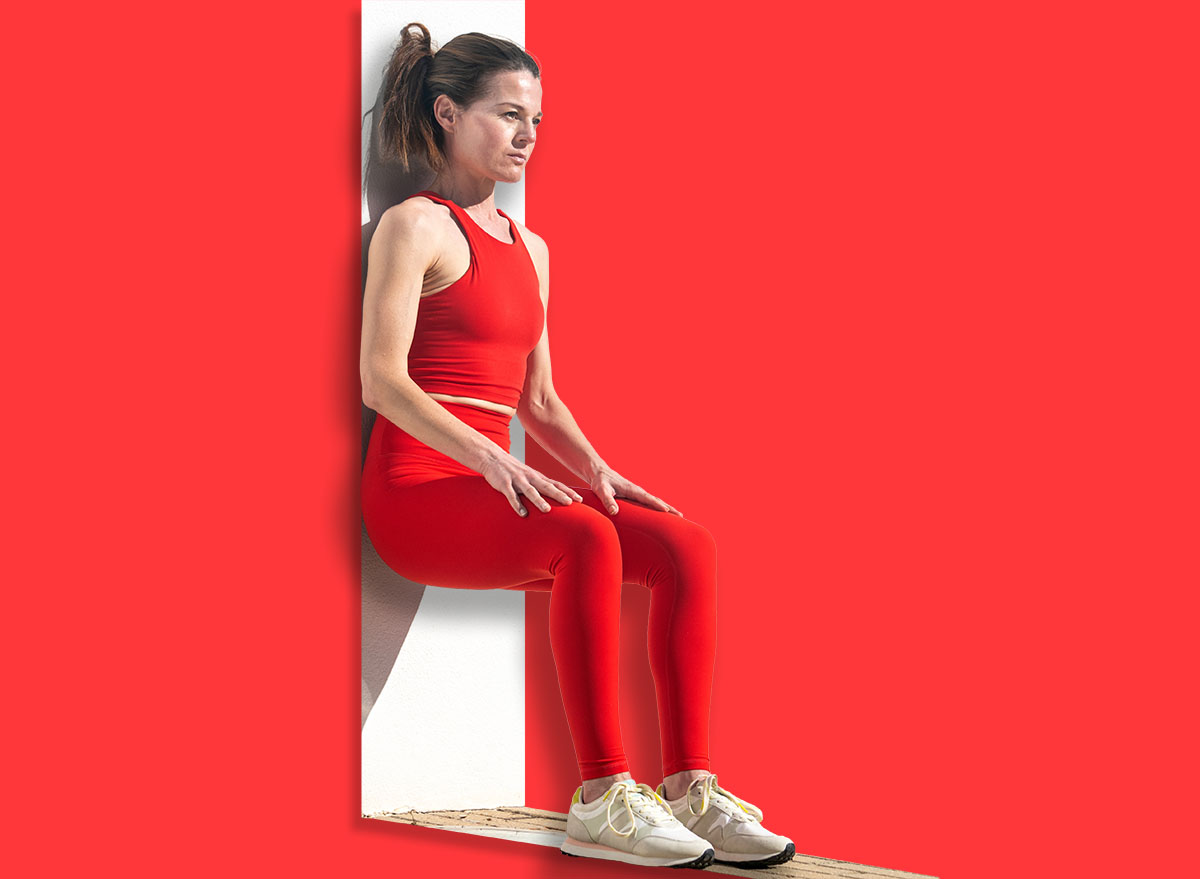
How Long You Can Hold a Wall Sit After 50 Reveals Your Elite Lower-Body Strength
As we navigate the complexities of physiological aging, clinicians increasingly recognize that systemic lower-body strength serves as a primary marker for functional independence and long-term morbidity reduction. While cardiovascular fitness is frequently prioritized in public health discourse, the maintenance of muscular endurance in the quadriceps, glutes, and hamstrings remains the cornerstone of gait stability, fall prevention, and metabolic health in adults over 50. The wall sit, an isometric exercise, provides a precise, non-invasive diagnostic metric for evaluating this muscular capacity under sustained tension.
Key Clinical Takeaways:
- Isometric endurance in the lower body is a critical determinant of mobility, balance, and independence as we age.
- A wall sit hold duration of 45 to 75 seconds indicates above-average muscular stamina, while exceeding 75 seconds places an individual in the top decile of their age group.
- Proper form—specifically maintaining parallel thigh alignment and core stabilization—is essential to ensuring the test accurately reflects muscular endurance rather than compensatory joint stress.
The Pathophysiology of Age-Related Muscular Decline
The clinical reality of aging involves a progressive loss of skeletal muscle mass and function, a process termed sarcopenia. As documented in research published by the World Health Organization, the degradation of muscle fibers—particularly Type II fast-twitch fibers—significantly impairs an individual’s ability to generate force and maintain posture. Unlike dynamic movements that utilize momentum, the isometric nature of a wall sit eliminates velocity, forcing the motor units to maintain continuous tension. This replicates the biological demands of daily activities such as stair climbing or rising from a seated position, where the musculoskeletal system must overcome gravitational load without the benefit of kinetic energy.
When the lower body lacks the requisite endurance, the compensatory burden shifts to the synovial joints, particularly the knees and the lumbar spine. This shift often exacerbates existing degenerative conditions, increasing the risk of mechanical injury. For patients experiencing chronic lower-extremity fatigue or gait instability, it is imperative to undergo a formal evaluation. We recommend that individuals concerned about their functional baseline seek guidance from a board-certified physical therapist to establish a baseline for muscular endurance and identify potential biomechanical deficiencies.
Quantifying Performance: Establishing the Clinical Benchmark
Data derived from standardized endurance testing reveals a clear correlation between hold duration and functional resilience. While an individual holding a wall sit for under 20 seconds may indicate a clinical need for targeted strengthening, those achieving 45 to 75 seconds demonstrate an adaptive capacity consistent with healthy aging. Achieving a hold time exceeding 75 seconds signifies elite muscular endurance, placing the participant in approximately the 90th percentile of their peers. This level of performance reflects not only superior muscular hypertrophy but also optimal neuromuscular control.
It is vital to distinguish between functional strength and compensatory movement. If an individual maintains posture by leaning heavily on their hands or allowing the knees to collapse medially, the diagnostic value of the test is nullified. The National Institutes of Health (NIH) has long emphasized that the efficacy of any resistance training program is predicated on the quality of mechanical execution rather than the duration of the effort. For those undergoing rehabilitation or training for improved performance, working with a certified strength and conditioning specialist ensures that exercises are performed with the biomechanical precision necessary to prevent injury and maximize physiological gains.
Integrating Isometric Training into the Standard of Care
The integration of isometric protocols into daily life does not require specialized medical equipment, yet it demands a disciplined approach to prevent overtraining. The objective is to induce metabolic stress—the “burning” sensation indicative of lactate accumulation and muscle fiber recruitment—without exceeding the recovery capacity of the connective tissues. For adults over 50, this involves a gradual progression of hold times, prioritizing consistent tension over maximal exertion.
Research into muscle recovery and adaptation suggests that consistent, moderate-intensity isometric holds can stimulate significant improvements in muscular stamina. This is particularly relevant for those managing chronic conditions, where high-impact exercise may be contraindicated. By focusing on the core, glutes, and thighs, patients can improve their center of mass stability, thereby reducing the probability of falls—a major source of morbidity in the geriatric population. For specialized diagnostic assessment of fall risk or musculoskeletal health, we advise patients to consult with a geriatric medicine specialist to tailor a regimen that accounts for individual health history and potential comorbidities.
Future Trajectories in Longevity Science
The future of healthy aging lies in the proactive identification of physical limitations before they manifest as clinical disability. As we continue to analyze the nexus between muscular endurance and long-term health outcomes, the wall sit remains a highly accessible and scientifically valid tool for self-monitoring. While this test provides an excellent snapshot of current capacity, it is not a substitute for comprehensive medical oversight. As research continues to evolve, the emphasis remains on empowering individuals to utilize objective metrics to drive their own health outcomes.
the objective is to optimize the musculoskeletal system to support a high quality of life. Whether you are seeking to improve your athletic performance or simply ensure longevity, professional guidance remains the most reliable path to success. We encourage readers to leverage our directory to connect with vetted experts capable of interpreting these performance metrics within the context of your broader clinical profile.
Disclaimer: The information provided in this article is for educational and scientific communication purposes only and does not constitute medical advice. Always consult with a qualified healthcare provider regarding any medical condition, diagnosis, or treatment plan.