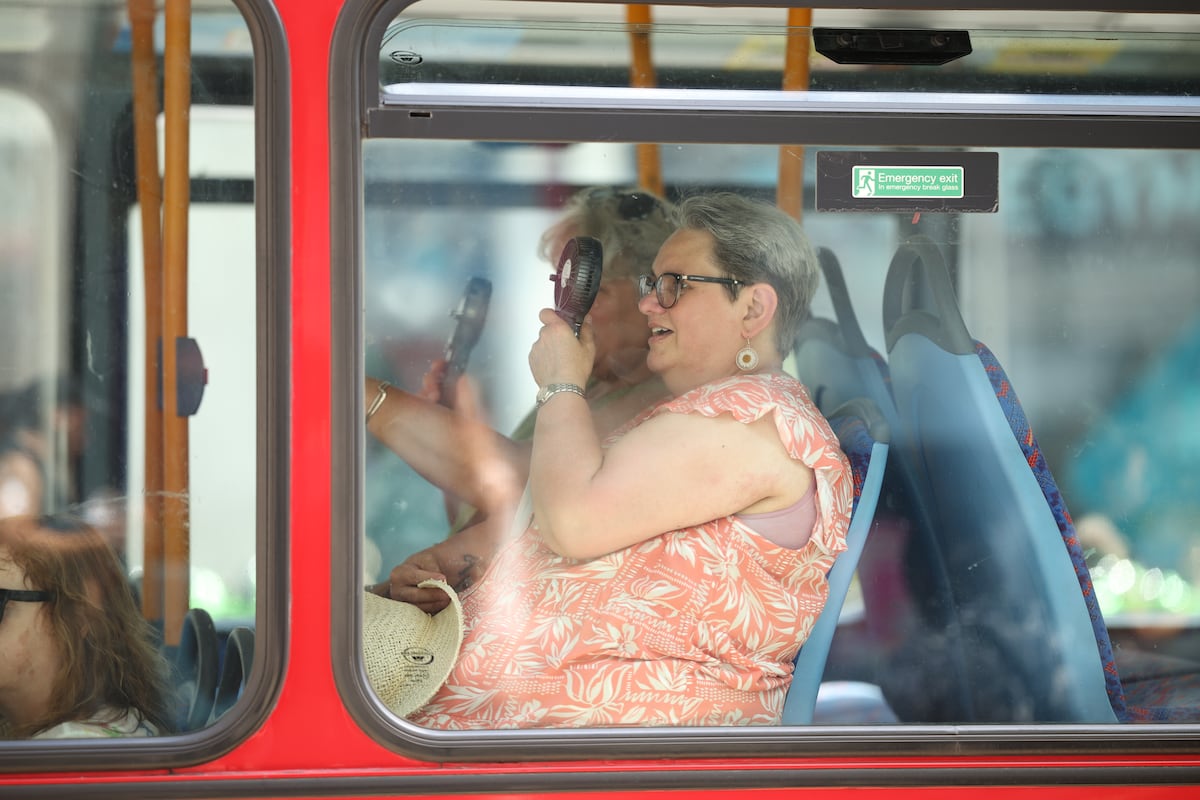
How Londoners Survived the Extreme Summer Heat on Public Transport
London public transport faced severe strain during the summer of 2026 as soaring temperatures turned the underground and buses into intense heat chambers, pushing nearly half of residents to seek alternatives, though potential transport strikes have been averted for September and October following agreements with Mayor Sadiq Khan.
The capital’s transit network faced a severe test during July and August 2026. Temperatures climbed high enough to make daily commutes difficult across the network, though outside air temperatures hovered around a moderate 21 degrees Celsius. While a major operational crisis was narrowly avoided when urban bus drivers officially called off planned strikes for September and October, the underlying summer heat infrastructure issues remain a central concern for commuters.
The Underground Heat Crisis and Air Conditioning Deficits
London Mayor Sadiq Khan secured a commitment to install air conditioning in isolated bus driver cabins by May of next year. Passengers traveling in the main body of the buses, however, will continue to rely on open windows to catch warm air drafts. The historical design of the London Underground compounds the problem. Approximately four million passengers use the tube daily, but only four lines feature air conditioning: the District, Circle, Hammersmith & City, and Metropolitan lines. Even on these routes, cooling capacity remains limited.


Older lines, including the Piccadilly and Bakerloo lines, feature minimal ventilation restricted to small windows at the ends of each carriage. Commuters faced difficult choices between standing in the center of crowded cars to conserve oxygen or moving near the ventilation gaps to catch blasts of heated air. Ridership statistics reflect this passenger friction. Data from 2026 indicates notable passenger drops on older routes, with the Piccadilly line seeing a 9-percent decrease and the Bakerloo line registering a 3.3-percent decline.
Historical advertising campaigns from the mid-1920s once promoted the underground network under the slogan “It is cooler below,” highlighting average subterranean temperatures of 14 degrees Celsius. A century later, a combination of continuous daily friction, electrical usage, dense crowds, and broader climate patterns has transformed the historic tube network into an intensely hot environment during peak summer months.
Commuter Adaptation and Alternative Transit Solutions
Facing extreme carriage temperatures, Londoners adopted alternative commuting methods throughout the summer months. Thames Clippers river services, operated by Uber, reported an 83-percent surge in passenger numbers during the most intense heatwaves, moving well beyond their normal daily baseline of approximately 10,000 riders. App-based electric bicycle rentals provided by providers such as Lime and Voi likewise saw demand spikes between 50 percent and 100 percent during peak heat events across June, July, and August.
Reporting from the London Evening Standard indicated that nearly half of Londoners abandoned traditional public transport during the height of the summer heat, choosing instead to walk or cycle despite high ambient temperatures and humidity. Many passengers resorted to carrying work clothes in separate bags while traveling in athletic shorts and t-shirts to manage the conditions.
While the averted bus strikes remove the immediate threat of autumn disruption, the physical strain of London’s transit environment during warm weather highlights a sustained challenge for municipal authorities. Upgrading legacy subterranean networks will require extensive capital investment well beyond the immediate commitments secured for bus driver cabins.