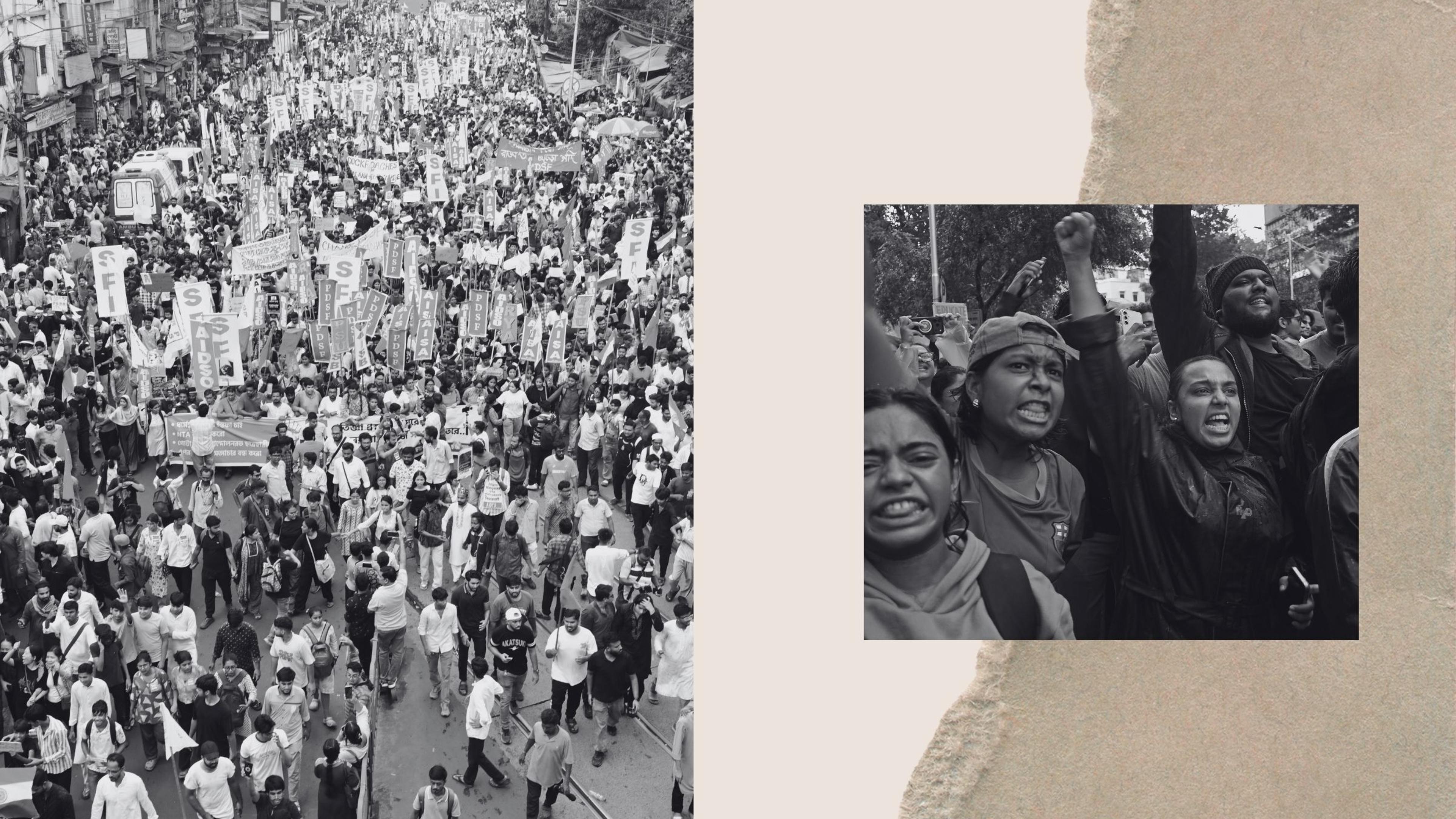
How India’s Gen Z Cockroach Protests Humbled Narendra Modi
On June 1, political communications specialist Abhijeet Dipke launched the Cockroach Janta Party in Boston, igniting a youth-led protest movement against Indian Prime Minister Narendra Modi’s administration. Sparked by derogatory remarks from a Supreme Court justice and widespread anger over medical school examination paper leaks, tens of thousands of students and citizens occupied Jantar Mantar in New Delhi, deploying viral satire to dismantle the political brand of the 75-year-old leader.
From a Courtroom Insult to an Online Parody Army
The catalyst for the June uprisings arrived on May 15, when Surya Kant, the chief justice of India’s Supreme Court, compared the nation’s unemployed youth to “parasites” and “cockroaches.” According to reports, Abhijeet Dipke, a 30-year-old Indian student based in Boston, mobilized against the remark by creating the Cockroach Janta Party. Billed as the “Voice of the Lazy & Unemployed,” the Instagram-based parody party amassed 20 million followers within days, easily outstripping the official following of Modi’s Bharatiya Janata Party on the platform.
Frustration among young Indians had already reached a boiling point following administrative failures in medical entrance examinations. More than two million students competed for roughly 140,000 training slots before paper leaks forced a cancellation and a rescheduled exam on June 21. In the wake of these failures, at least 20 students died by suicide. On June 6, Dipke arrived at the Delhi airport holding a copy of the Constitution of India and marched to Jantar Mantar to initiate the physical protests.
A Nation’s Grief and the July Crackdown
Public outrage swelled further on June 18, when 17-year-old Kahaan Patel jumped from a sixth-floor balcony in Ahmedabad. His father, Prashantkumar Dhramshibhai Patel, a middle-aged lawyer, subsequently traveled to New Delhi to join the demonstrators at Jantar Mantar. “I have another son. I have to save him,” Patel stated during an interview at the protest site. “The system has to change.”
On June 28, prominent educator and activist Sonam Wangchuk joined students in a hunger strike demanding the resignation of the education minister. According to documented accounts, the Modi administration moved to clear the demonstration on the evening of July 18, deploying police to forcibly remove Wangchuk and fellow fasters after 20 days of hunger strikes. When protesters marched toward the Indian Parliament on July 20, security forces responded with batons, tear gas, and pellet guns, hospitalizing more than 100 individuals with broken bones and head trauma.
Deconstructing Brand Modi Through Satire
The July police crackdown transformed the protest zone into a carnivalesque occupation. Unlike previous institutional movements, the Gen Z mobilization relied on an alternative digital public sphere anchored on Instagram and YouTube, bypassing mainstream media filters. Protesters targeted Modi directly, subverting the ascetic, strongman persona cultivated over his 12 years in power.
The unofficial anthem of the movement featured crowds chanting, “Chappan inch ka chhota bandar,” followed by the chorus, “Bhaag Narendra, Bhaag Narendra,” mocking the prime minister’s 2014 campaign claims of possessing a “56-inch chest.” Viral posters displayed Modi’s face under headlines reading “Leak in India” and “Destroy in India,” turning his own political slogans against him.
Structural Unemployment and the Purgatory of General-Class Travel
The resilience of the protesters stems from profound structural economic pressures.
While the protests pose no immediate electoral threat to the BJP given its institutional dominance and regional ideological backing, the mobilization has exposed the vulnerabilities of Modi’s political appeal.