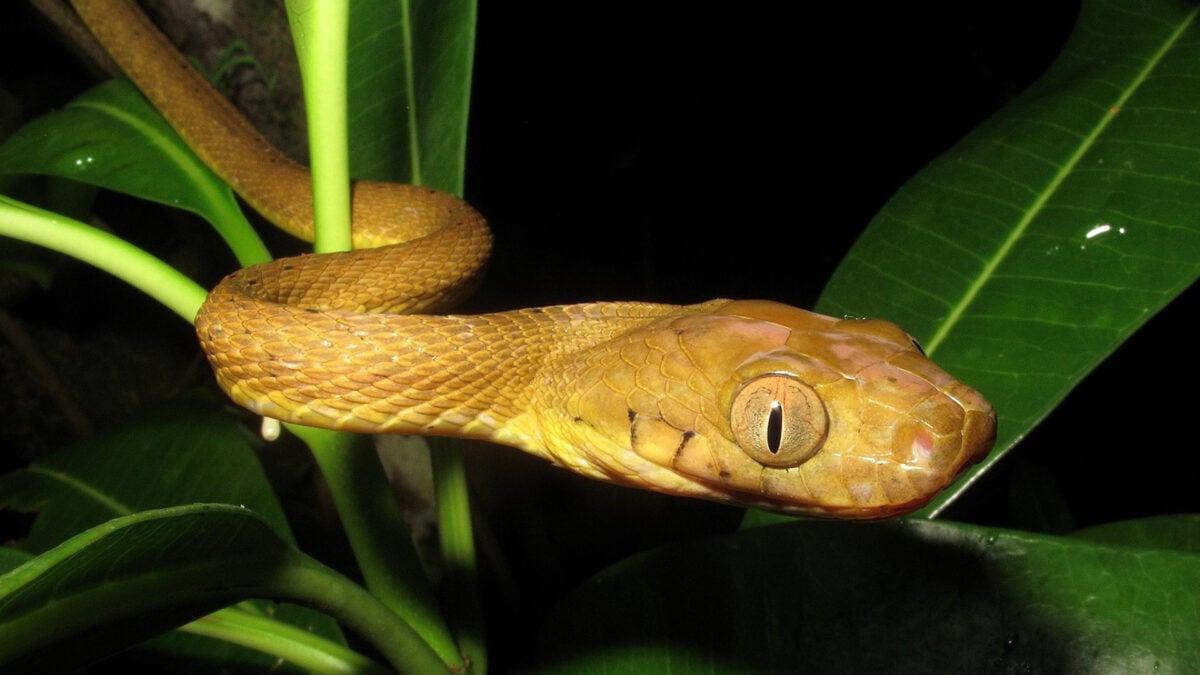
How Inbred Brown Tree Snakes Conquered Guam and Devastated Its Ecosystem
Accidental Cargo Ship Arrival Triggers Island Crisis
Brown tree snakes on Guam have defied evolutionary predictions by maintaining high genetic diversity despite severe inbreeding, according to new genetic research covered by Gizmodo, ScienceDaily, and Phys.org.
Accidentally introduced to the Pacific island via cargo ships shortly after World War II, the nocturnal predators decimated native forest bird populations and triggered cascading ecological changes, including a massive spike in spider densities.
Surviving Genetic Bottlenecks on Chicago-Sized Terrain
Biologists initially expected the introduced snake population to suffer from the genetic bottlenecks typically associated with isolated island colonization.
According to reporting from ScienceDaily, the invasive population managed to retain broad genetic variation, circumventing the fitness losses that usually accompany inbreeding in closed animal groups.
Avian Collapse Sparks Dramatic Spider Explosion
The establishment of the brown tree snake on Guam transformed the island’s broader ecosystem in the decades following its arrival.
With native bird populations largely wiped out by the arboreal predators, insect populations surged. According to IFLScience, the removal of avian insectivores directly drove a dramatic spider explosion across the landscape, altering forest dynamics and illustrating the far-reaching ecological consequences of the snake’s uncheckered expansion.