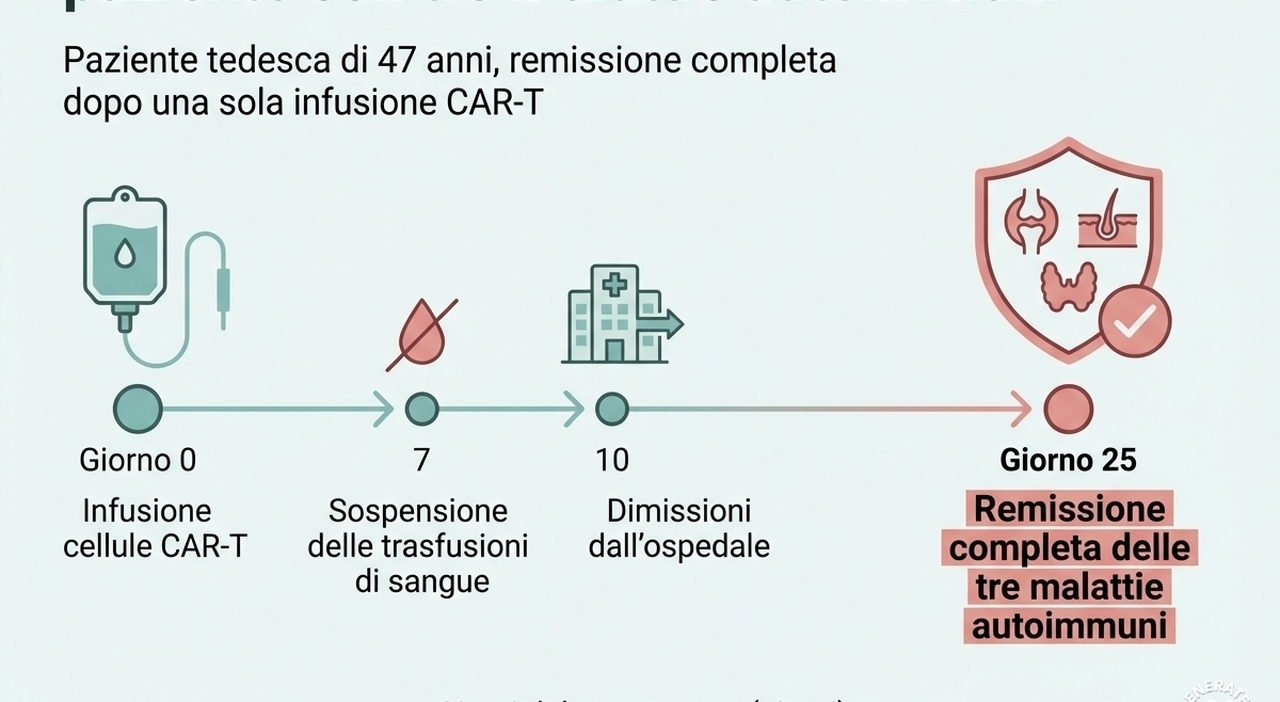
How Immune Cell Therapy Works
The paradigm of treating autoimmune diseases is shifting from the blunt instrument of systemic immunosuppression toward a precision-engineered “immune reset.” By extracting a patient’s own immune cells, modifying them to recognize specific targets, and re-introducing them into the body, clinicians are attempting to rewrite the biological code of immunological tolerance.
Key Clinical Takeaways:
- Targeted Modulation: The treatment moves away from general immune suppression to the specific enhancement of immune cells against a defined target.
- Cellular Re-education: The process involves an ex vivo cycle of extraction, modification, and re-infusion to “reset” the system.
- Focus on Tolerance: Research centers on the role of T regulatory cells (Treg) to distinguish between “self” and “non-self” antigens.
For decades, the standard of care for autoimmune pathologies has relied on suppressing the entire immune system to prevent it from attacking the body’s own tissues. While effective at reducing inflammation, this approach creates a dangerous clinical gap: it leaves patients highly vulnerable to opportunistic infections and increases long-term morbidity. The fundamental medical risk is the inability to silence the rogue autoimmune response without compromising the organism’s overall ability to defend itself.
The Mechanism of Cellular Re-education
The emerging “reset” therapy addresses this gap through a sophisticated biotechnological pipeline. The process begins with the extraction of a sample of the patient’s immune cells. Once isolated, these cells undergo a “potenziamento” or enhancement phase, where they are engineered to target a specific biological marker. This precision allows the cells to act as surgical instruments rather than broad-spectrum inhibitors.

This methodology mirrors the evolution of immunotherapies used in oncology, such as the checkpoint inhibitors and CAR-T therapies currently used to treat melanoma and colorectal carcinoma. In those contexts, the goal is to awaken the immune system to kill tumor cells. In the case of autoimmune “resetting,” the objective is reversed: the goal is to restore the balance of immunological tolerance. For patients who have failed first-line biologic therapies, this represents a critical pivot in care. It is highly recommended that these individuals consult with board-certified rheumatologists to determine if their specific pathology aligns with the targets of these emerging cellular therapies.
T-Regulatory Cells and the Science of Tolerance
At the heart of this innovation is the study of T regulatory cells (Tregs), the biological brakes of the immune system. As highlighted by the research coming out of CheckmAb—a spin-off of the University of Milan and the National Institute of Molecular Genetics “Invernizzi”—Tregs are essential for ensuring the body does not destroy its own healthy tissues. The Nobel Prize in Medicine recently recognized the critical importance of this mechanism, which allows the immune system to distinguish between “self” (what must be preserved) and “non-self” (what must be destroyed).
The strategic goal of the “immune reset” is to select molecules that target these T regulatory cells within the affected area. By doing so, researchers aim to activate anti-tumor or anti-inflammatory responses without the generic stimulation of the immune system, which often leads to collateral tissue damage. This level of precision requires absolute diagnostic accuracy. Patients entering these protocols typically require mapping from advanced diagnostic centers to identify the exact cellular targets before extraction begins.
Clinical Comparison: Systemic Suppression vs. Immune Reset
To understand the clinical leap, one must compare the traditional approach to the targeted cellular approach. The following table delineates the fundamental differences in pathogenesis management.
| Clinical Feature | Traditional Immunosuppression | Targeted Immune Reset |
|---|---|---|
| Mechanism of Action | Global suppression of immune activity | Ex vivo modification of specific immune cells |
| Specificity | Low; affects both healthy and rogue cells | High; targets specific antigens or Treg pathways |
| Systemic Risk | High risk of opportunistic infections | Reduced systemic vulnerability |
| Therapeutic Goal | Chronic symptom management | Restoration of immunological tolerance |
| Patient Burden | Continuous medication/dosage titration | Interventional cellular re-infusion |
Regulatory Hurdles and B2B Infrastructure
The transition from laboratory success to bedside application involves significant regulatory complexity. Moving a patient’s cells out of the body, modifying them in a lab, and re-infusing them requires a sterile, compliant supply chain and adherence to strict EMA and FDA guidelines regarding cellular products. This creates a secondary challenge for the healthcare providers and biotech firms involved.
Pharmaceutical distributors and clinic operators are increasingly engaging healthcare compliance attorneys to navigate the liability and regulatory frameworks surrounding personalized cellular therapies. The shift from “off-the-shelf” drugs to “patient-specific” treatments necessitates a complete audit of how biological materials are handled, transported, and documented to avoid severe operational bottlenecks.
The Trajectory of Immunological Tolerance
The ability to “reset” the immune system suggests a future where autoimmune diseases are not merely managed but fundamentally corrected. By leveraging the biological logic of T regulatory cells and the precision of cellular engineering, medicine is moving toward a state of “molecular diplomacy,” where the immune system is negotiated back into a state of peace with the host body.
While these therapies are still refining their efficacy and safety profiles, the integration of Nobel-prize-winning research on immunological tolerance into clinical practice marks a turning point. The path forward requires a multidisciplinary approach, combining the expertise of molecular biologists, regulatory experts, and specialized clinicians. For those seeking to integrate these advancements into their treatment plan, finding vetted, high-authority specialists through a verified medical directory remains the safest point of entry into the next generation of care.
Disclaimer: The information provided in this article is for educational and scientific communication purposes only and does not constitute medical advice. Always consult with a qualified healthcare provider regarding any medical condition, diagnosis, or treatment plan.