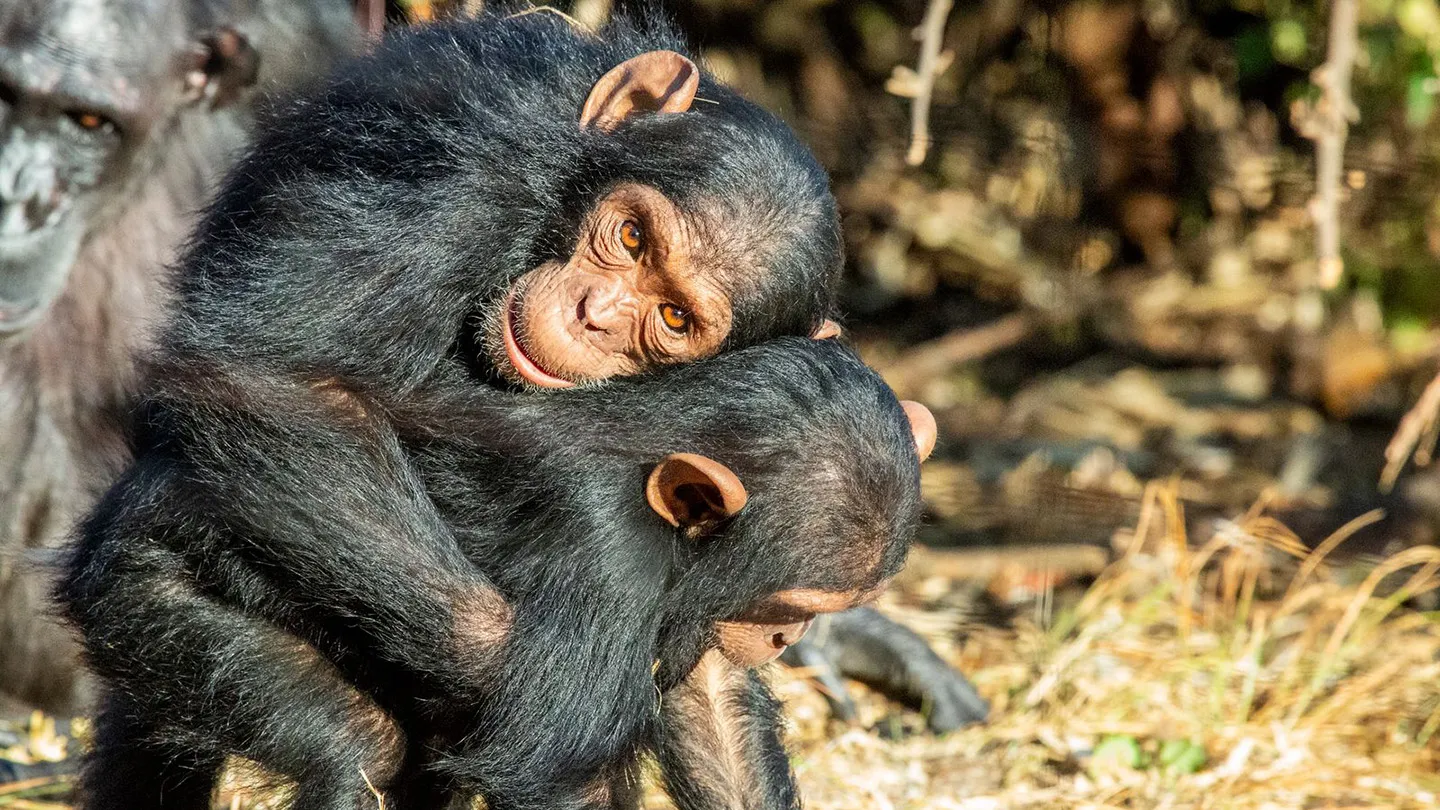
How Humans Can Learn Comfort from Chimpanzees and Bonobos
Physical contact among chimpanzees and bonobos serves as a critical biological mechanism for conflict mitigation, according to recent ethological observations. By engaging in social grooming and tactile reassurance, these primates effectively lower group-wide tension, offering a potential evolutionary model for understanding social cohesion and stress regulation in social species.
Key Clinical Takeaways:
- Tactile social behaviors, such as grooming and physical proximity, function as a biological buffer against the physiological impact of group conflict.
- The neurobiological response to physical comfort in primates suggests a conserved mechanism for downregulating the autonomic nervous system during periods of high stress.
- Translating these observations into human health protocols highlights the importance of social support systems in managing chronic stress and emotional dysregulation.
Biological Mechanisms of Social Buffering
The practice of “cuddling” or prolonged physical contact in great apes is not merely a social nicety; it is a complex physiological intervention. Research published in peer-reviewed journals concerning primate behavior suggests that tactile engagement facilitates the release of oxytocin, a neuropeptide associated with social bonding and the reduction of cortisol levels. This biochemical response effectively acts as a natural antagonist to the fight-or-flight response that typically follows aggressive encounters.
According to field studies conducted by institutions such as the Max Planck Institute for Evolutionary Anthropology, the frequency of these physical interactions correlates directly with the stability of the group hierarchy. When a conflict occurs, the immediate initiation of physical contact—often described as “consolation behavior”—serves to re-establish social equilibrium. This process demonstrates that primates possess a sophisticated, instinctual understanding of the need to restore homeostasis after a disruption in group dynamics.
Clinical Implications for Human Stress Management
While the gap between primate behavior and human clinical practice is significant, the underlying biological pathways are remarkably similar. Chronic stress in humans is a well-documented precursor to a wide range of morbidities, including cardiovascular disease, immune suppression, and psychiatric disorders. The “social buffering” observed in primates provides a compelling framework for evaluating how human social support networks—or the lack thereof—impact individual health outcomes.
For individuals struggling with the physiological consequences of chronic stress or anxiety, modern medicine emphasizes the necessity of a multi-modal approach. It is increasingly common for patients to require specialized care that integrates both neurobiological support and behavioral therapy. Those seeking to address the somatic symptoms of chronic stress, such as hypertension or tension-related inflammation, should consult with board-certified internal medicine specialists or clinical health psychologists who can provide evidence-based strategies for autonomic nervous system regulation.
The Role of Social Infrastructure in Public Health
From an epidemiological perspective, the primate model emphasizes that health is not merely an individual state but a product of the social environment. Research funded by the National Institutes of Health (NIH) has consistently shown that social isolation is a major risk factor for mortality, comparable in magnitude to clinical markers like obesity or smoking. Just as chimpanzees utilize physical contact to maintain group health, human public health strategies must prioritize the maintenance of robust social support systems to prevent the long-term sequelae of chronic social tension.
Dr. Elena Vance, a lead researcher in behavioral biology, notes that “the evolutionary imperative for social cohesion is hardwired into our neurochemistry. When we ignore the fundamental human need for tactile and social reassurance during periods of high conflict, we disrupt a core regulatory system that has been refined over millions of years.”
Future Trajectories in Behavioral Research
Current research is moving toward a more granular understanding of how specific social interactions influence long-term health biomarkers. By observing the duration, intensity, and frequency of these interactions, scientists hope to develop better predictive models for how social environments affect the progression of chronic disease. As this field matures, the integration of behavioral observations into clinical diagnostic tools may become a standard of care for patients suffering from stress-related pathologies.
For healthcare providers and hospital administrators, the challenge lies in creating environments that facilitate, rather than hinder, these essential social interactions. This is particularly relevant in long-term care settings, where the absence of physical support can exacerbate clinical decline. Identifying the right support structure requires expert guidance. Patients and families are encouraged to work with patient advocacy groups and vetted wellness consultants to ensure that treatment plans include adequate provisions for social and emotional support.
Disclaimer: The information provided in this article is for educational and scientific communication purposes only and does not constitute medical advice. Always consult with a qualified healthcare provider regarding any medical condition, diagnosis, or treatment plan.