
How Energy Drinks Ruin Your Sleep Cycle and Cause Insomnia
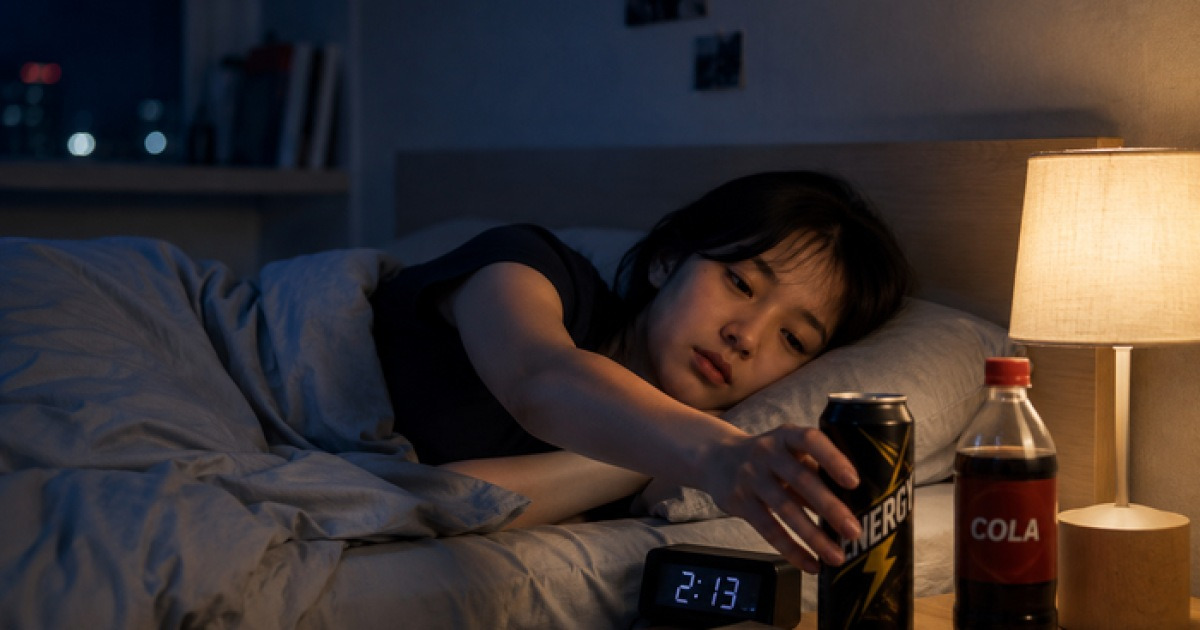
Rising consumption of energy drinks among sleep-deprived individuals creates a self-reinforcing biological loop that exacerbates insomnia and chronic fatigue, according to recent systematic reviews and epidemiological data published in academic journals. Researchers note that individuals averaging five hours or less of sleep per night consume significantly higher quantities of caffeinated and sugar-sweetened beverages to maintain daytime alertness, which in turn delays sleep onset and reduces total sleep duration.
- A comprehensive review published in Nutrition and Health highlights that 49.6% of university students globally consume energy drinks, with regional rates reaching up to 61% in Africa and 50% in Asia.
- Clinical experts emphasize that while sweetened beverages temporarily mask daytime somnolence, they disrupt circadian architecture, creating a physiological feedback loop that perpetuates chronic sleep deprivation.
Epidemiological Insights Into Global Energy Drink Consumption
The widespread use of caffeinated beverages as a countermeasure for fatigue has become a prominent public health concern. The study evaluated 58 previous investigations to map out consumption patterns, demographic drivers, and physiological impacts.
Regional variations in intake reflect aggressive marketing and accessibility. The analysis shows that African university students record the highest consumption prevalence at 61%, followed closely by Asian cohorts at 50%. Meanwhile, North American and European student populations demonstrate prevalence rates of 47% and 37%, respectively. Students predominantly cite the need to combat academic fatigue, enhance cognitive alertness, or overcome chronic sleep deficits as primary motivators for consumption, alongside peer influence and product affordability.
The Physiological Feedback Loop Between Sugar, Caffeine, and Sleep Loss
The investigation compared self-reported weekday sleep durations against the intake of various beverages, including carbonated soft drinks, energy drinks, fruit juices, coffee, and tea.
The findings indicate a clear dose-dependent relationship between short sleep duration and the intake of caffeinated sugar-sweetened beverages. Adults who reported sleeping five hours or less per night consumed 21% more of these beverages than individuals maintaining an optimal sleep duration of seven to eight hours. Similarly, individuals averaging six hours of sleep consumed 11% more caffeinated sugar-sweetened beverages than the reference group. Notably, this statistical correlation was isolated to carbonated soft drinks and energy drinks, whereas consumption patterns for pure teas, juices, and diet beverages showed no significant association with sleep duration.
He added that improving sleep hygiene and total sleep duration could help individuals break this cycle and naturally reduce high daily sugar intake.
Clinical Considerations and the Path Forward
Epidemiologists emphasize that while the data establishes a robust statistical correlation between short sleep and the intake of sweetened stimulants, the exact pathophysiological direction requires careful clinical interpretation. Caffeinated beverages do not inherently represent the primary genesis of chronic insomnia; rather, they serve as a maladaptive coping mechanism deployed by fatigued individuals attempting to navigate daytime cognitive deficits.
Future longitudinal research will continue to untangle the neuroendocrine mechanisms governing the interplay between sleep regulation, glycemic control, and adenosine receptor antagonism.