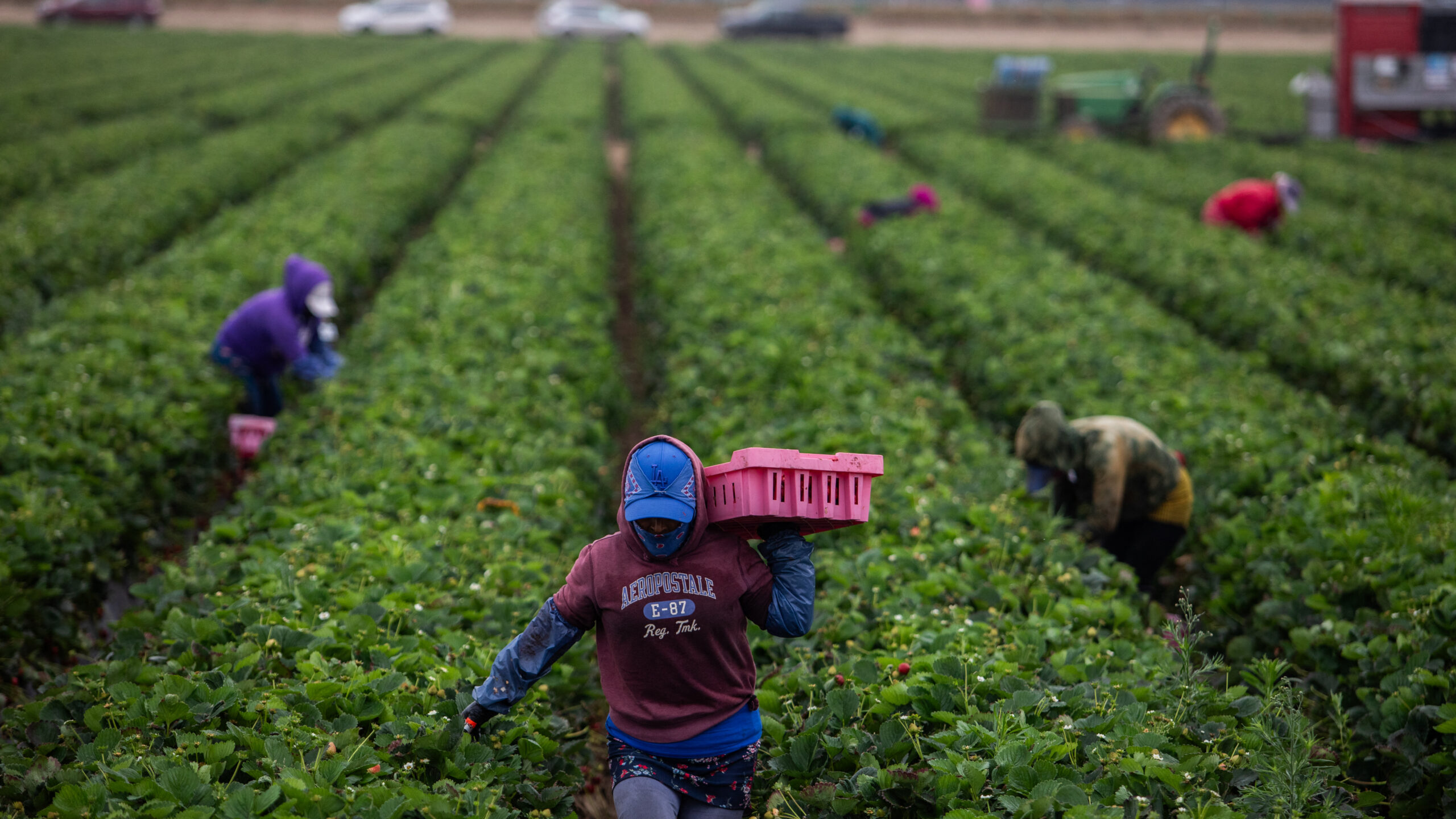
How Climate Change and Extreme Heat Make Pesticides More Dangerous for Farmworkers
Rising Temperatures Amplify Pesticide Toxicity Risks for Farmworkers
Environmental stressors, combined with agricultural chemicals, create heightened occupational health hazards across the agricultural sector.
The Tech TL;DR:
Health Vulnerability: Extreme heat stresses the human body, increasing skin pore size and overall absorption rates for airborne and topical agricultural toxicants.
Chemical Volatility: Higher ambient temperatures accelerate evaporation rates and boost chemical transformation rates, turning standard pesticides into more toxic compounds.
PPE Complications: Protective clothing required during field operations traps body heat, compounding thermal stress alongside chemical exposure.
Thermal Stress and Physiological Absorption Vulnerabilities
Heat stress fundamentally alters how the human body reacts to hazardous chemicals. According to research highlighted by the Union for Concerned Scientists, high temperatures force the body to sweat and dilate blood vessels, which directly increases skin pore size. This physiological response allows agricultural chemicals to be absorbed more readily through the skin.
Furthermore, inhalation risks escalate in warmer conditions. Omanjana Goswami, a scientist in the food and environmental program at the Union for Concerned Scientists, detailed the mechanism of exposure in a recent statement: “When it’s in the air, you are inhaling it through your nose. You are exposed to it through your other organs like skin. Your skin can absorb some of the pesticides [that are] in the air, and also when you’re sweating as part of doing your work you are increasing the pore size of your skin. It is awful. There is no other word for it.”
Environmental Factors: Evaporation and Chemical Transformation
Beyond human physiological changes, meteorological conditions directly alter the behavior of chemical compounds applied to fields. Higher ambient temperatures drive up evaporation rates, increasing the concentration of active ingredients lingering in the breathing zone of field workers.
In addition to increased volatilization, elevated heat accelerates chemical transformation rates in the environment. Exposure to intense sunlight and higher temperatures can convert standard pesticide formulations into secondary compounds that possess a higher degree of toxicity than the original application.
Protective Equipment Paradox and Mitigation Strategies
Agricultural operations face a persistent architectural and logistical challenge regarding personal protective equipment (PPE). While protective garments are designed to shield skin and respiratory systems from direct contact with toxicants, wearing these heavy layers in extreme heat creates a severe thermal burden.
