
Beat the Winter Chill & Boost Your Metabolism with Brown Fat
As winter descends, the urge to hibernate grows stronger. But embracing the cold might actually offer a surprising health benefit: activating your body’s “brown fat.” unlike regular fat that stores energy, brown fat burns energy, generating heat and possibly improving metabolic health.
Recent research suggests that while brown fat’s role in notable weight loss in humans may be limited, it could be a valuable tool in combating related health issues. “In terms of whole-body energy expenditure, it [brown fat] problably does not play as large of a role in humans as it does in mice,” explains researcher Cohen. “So my personal feeling, based on the data, is that brown fat activation is not going to be a good means to treat obesity or to lose significant amounts of weight.”
Though, the news isn’t all discouraging. Cohen emphasizes, “the data is much stronger to suggest that activating brown fat might lower glucose levels and improve metabolic health.” This is crucial, as poor metabolic health hinders the body’s ability to process energy efficiently and increases the risk of type 2 diabetes. Brown fat may improve this by directly absorbing glucose from the bloodstream or by releasing hormones that enhance insulin sensitivity. Ultimately, Cohen believes the therapeutic potential of brown fat lies in addressing the complications of obesity and aging, rather than obesity itself.
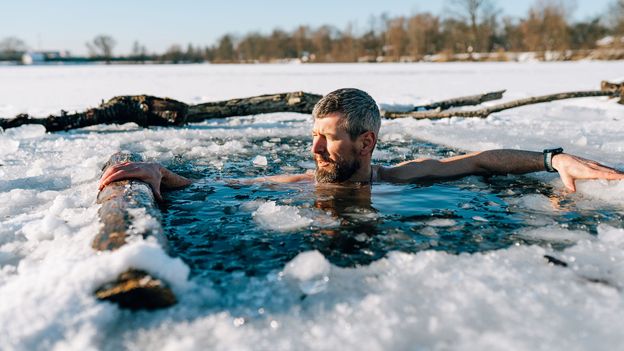
So,how can you encourage your brown fat to work harder during the colder months? Exposure to cold is a key trigger. Activities like ice baths, cold water swimming, or cryotherapy – a process involving brief (one to three minute) exposure to extremely low temperatures – can all stimulate brown fat activity.
The science behind this is rooted in the body’s natural response to cold. Cold-water immersion triggers the “fight-or-flight” response,releasing the neurotransmitter noradrenalin. this noradrenalin then binds to brown fat cells, effectively “activating” them and initiating the calorie-burning process.
While more research is ongoing, intentionally incorporating cold exposure into your winter routine could be a beneficial strategy for supporting metabolic health and potentially mitigating some of the risks associated with a less active season.
