How Background Music Influences Healthy Food Choices in Cafeterias
Low-arousal background music played in a cafeteria environment significantly alters dining habits, driving higher selections of healthy food choices compared to high-arousal tracks, according to a study published in the journal npj Science of Food. Researchers led by Tarun Sai Lomte and reviewed by Susha Cheriyedath found that audio stimuli operating outside focal awareness can quietly shape how individuals interpret and respond to out-of-home menu options.
Cafeteria Audio Shifts Dining Habits
- Low-arousal background music correlates with a higher proportion of healthy food selections and stronger consumption intentions than high-arousal tracks.
- The investigation combined a real-world school cafeteria field experiment with three controlled, scenario-based studies involving human participants.
- Sensory marketing tools like auditory adjustments offer a non-invasive, covert approach to public health interventions without triggering psychological reactance.
Tackling the $6.3 Trillion Wellness Economy
The global health economy reached $6.3 trillion in 2023, driven by a rising public demand for wellness services and preventative medicine. Yet, translating this demand into practical dietary habits remains challenging in out-of-home settings, where health-oriented options constantly compete with energy-dense alternatives rich in sodium, saturated fat, and added sugars. Explicit health-labeling campaigns frequently yield mixed results because overt messaging often triggers psychological reactance among consumers. Investigating extrinsic, non-verbal cues like ambient audio provides a promising avenue for dietary behavioral modification.
Real-World Field Testing and Sales Data
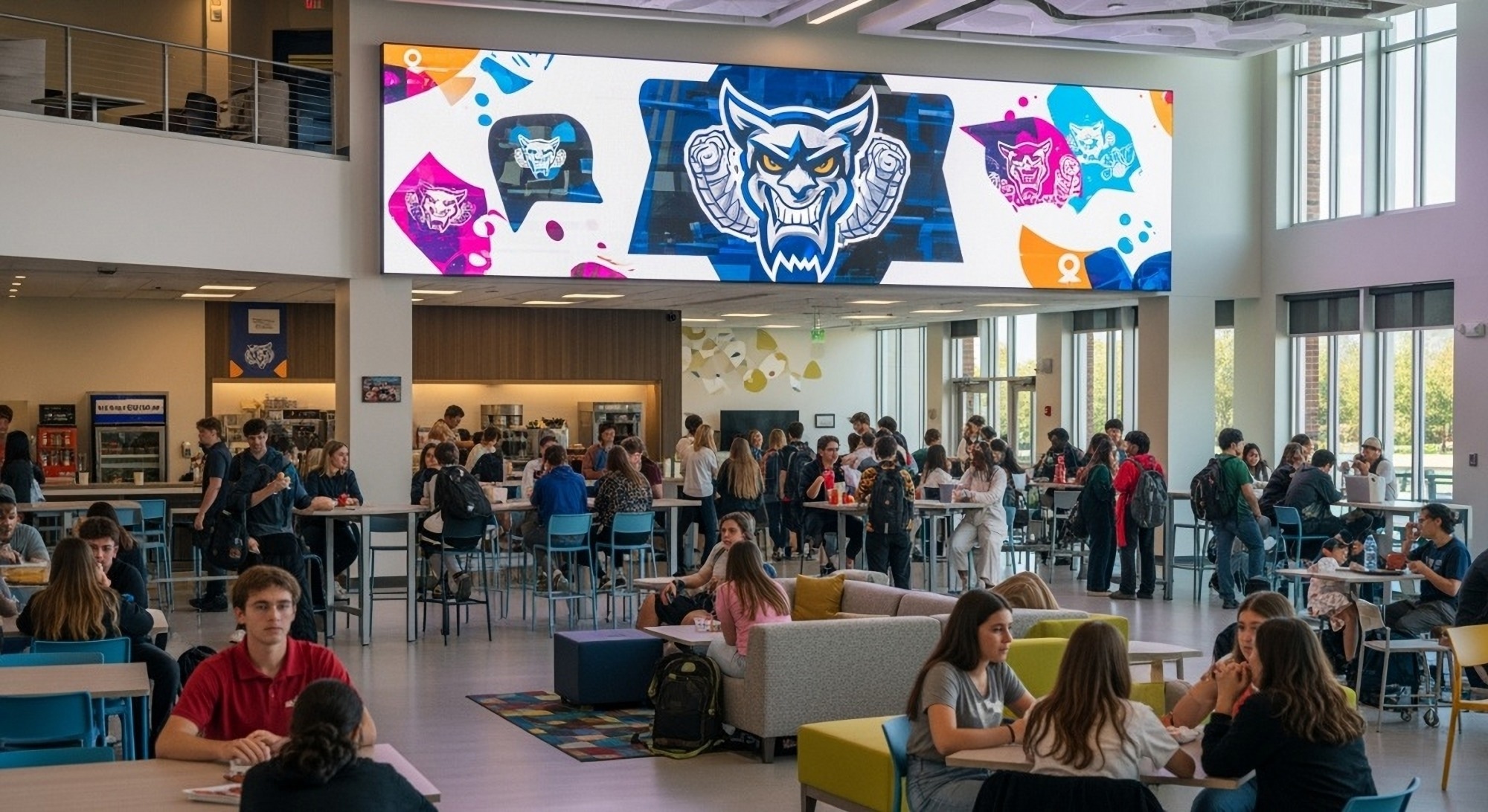
To evaluate these dynamics, the research team structured a multi-phase experimental design. The initial phase was a field experiment conducted in a school cafeteria, where investigators utilized anonymous item-level sales records as the primary outcome measure. Music was broadcast during lunch and dinner across the first four weekdays of two consecutive weeks, keeping food item availability uniform. Analysts classified beef, processed meat, pork, and deep-fried foods as unhealthy, while grilled, baked, or steamed white meat, fish, and vegetable-dominant dishes constituted the healthy category. Prior to the field test, 120 university participants listened to 30-second music excerpts to rate perceived arousal on a nine-point scale, enabling researchers to accurately categorize the audio tracks.
Scenario-Based Studies Probe Cognitive Mechanisms
Beyond the cafeteria sales data, the research team deployed three scenario-based studies to test generalizability and cognitive mechanisms. In the second experiment, participants were randomized to low- or high-arousal conditions using 30-second hip-hop excerpts while evaluating a standard lunch menu. They recorded metrics regarding perceived musical arousal, affective valence, menu healthiness, comprehension, relaxation, lightness, and consumption intention. A third experiment replicated this approach using jazz excerpts paired with restaurant dining imagery, measuring mental effort and the perceived passage of time. A fourth experiment exposed participants to low- and high-arousal hip-hop excerpts mixed with ambient restaurant noise, isolating how auditory stimulation interacts with standard dining room acoustics.
Professional Oversight and Preventative Care
Implementing subtle environmental modifications requires a nuanced understanding of behavioral psychology and nutrition science. Similarly, public health administrators designing institutional cafeterias can collaborate with behavioral health research consultants to optimize dining environments for preventative care.

As out-of-home dining continues to influence population-level metabolic health outcomes, future preventative strategies will likely integrate sensory architecture alongside traditional nutritional counseling. By leveraging subtle environmental cues that operate below conscious awareness, public health interventions can encourage healthier dietary selections without inducing the fatigue or resistance often associated with overt messaging. Exploring these multi-sensory approaches requires ongoing collaboration between behavioral scientists and food service operators, supported by clinical specialists found through comprehensive healthcare directory networks.
Disclaimer: The information provided in this article is for educational and scientific communication purposes only and does not constitute medical advice. Always consult with a qualified healthcare provider regarding any medical condition, diagnosis, or treatment plan.