How Animals Pass the Mirror Self-Recognition Test
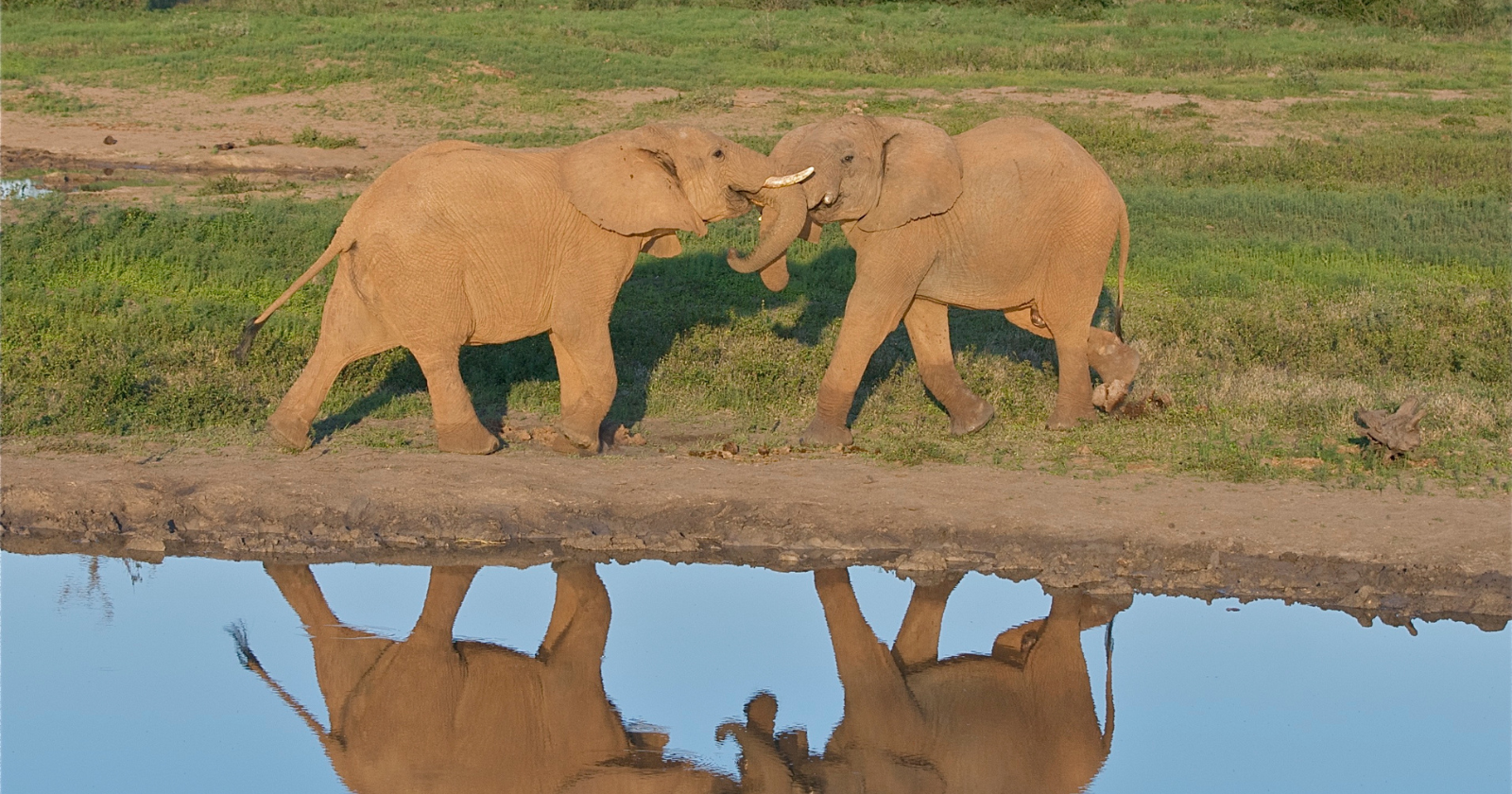
Elephants possess sophisticated self-awareness, demonstrated when researchers documented three Asian elephants recognizing themselves in a giant mirror at the New York’s Bronx Zoo. According to National Geographic reporting on the research by Joshua Plotnik, Frans de Waal, and Diana Reiss, the animals moved past initial social gestures to inspect parts of their bodies they could not otherwise see.
Inside the Bronx Zoo Mirror Experiment
In the wild and in managed habitats, high cognitive function drives complex social structures and empathy, including behaviors like assisting herd members and mourning the dead. To test whether this intelligence extends to self-recognition, researchers introduced a jumbo-sized mirror into the yard shared by three female Asian elephants named Happy, Maxine, and Patty, as detailed by National Geographic. Initial reactions followed a standard path seen across self-aware species. The elephants inspected the mirror, made social gestures, and checked behind the glass looking for a supposed stranger.
From Curiosity to Bodily Inspection
As the days progressed, that exploratory curiosity shifted. The animals spent less time investigating the mirror and stopped treating the reflection as another animal. Unlike typical encounters with live peers—where behaviors like eating or certain proximity rules apply—the elephants altered their routines directly in front of the glass. National Geographic noted that the trio began engaging in repetitive physical checks, such as pulling their ears or sticking trunks into their mouths. These specific body movements matched how humans use a mirror to check their appearance, confirming that the animals understood the reflection was their own.
Expanding Frontiers in Behavioral Science
Comparative studies in entomology have occasionally documented unusual reactions among invertebrates, such as observations reported by Science Sensei regarding ants interacting with marks visible only via reflection. While such studies spark ongoing debate across the scientific community regarding insect cognition versus mechanical responses, the confirmed self-recognition in elephants remains a distinct benchmark in comparative psychology.
