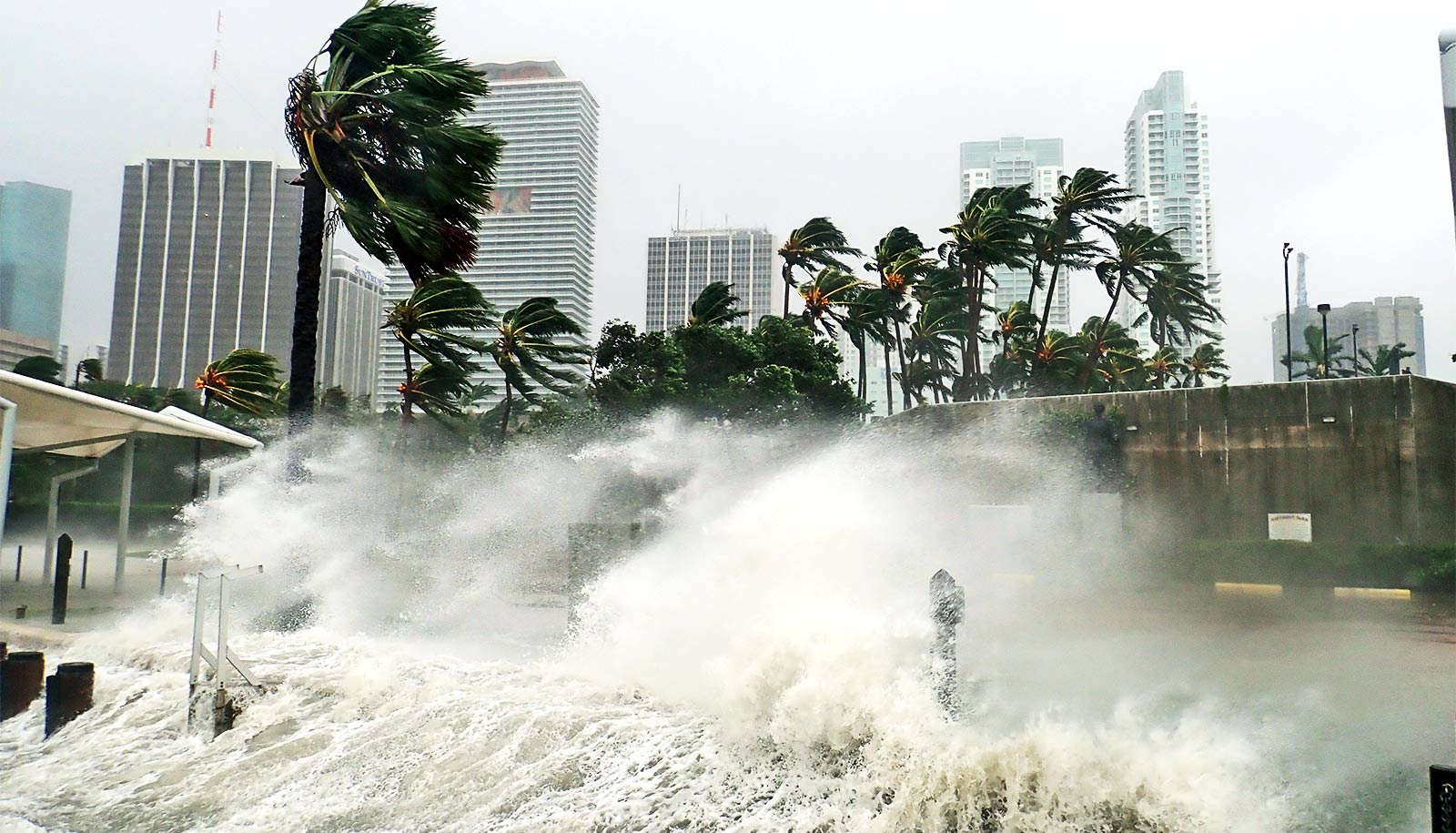
How AI is Transforming Extreme Weather Forecasting
The intersection of atmospheric science and public health has reached a critical inflection point. For decades, the medical community has operated in a reactive posture, responding to the devastation of extreme weather after the first sirens wail. The possibility of shifting this paradigm from reactive treatment to proactive clinical readiness now rests on the evolution of artificial intelligence.
Key Clinical Takeaways:
- AI models are leveraging decades of atmospheric data to generate weather forecasts that are faster, more cost-effective, and occasionally more accurate than traditional physics-based models.
- The ability to predict “gray swan” events—rare, out-of-distribution occurrences like extreme tropical cyclones—could drastically reduce morbidity and mortality.
- Extended lead times (weeks instead of days) allow healthcare systems to optimize triage and resource allocation before extreme weather events strike.
Extreme weather events—specifically heat waves, hurricanes, and floods—are not merely meteorological anomalies; they are systemic public health crises. These events cause massive loss of life and billions of dollars in infrastructure damage, often overwhelming local healthcare capacities. The primary clinical gap has always been the predictability of these events. Traditional weather forecasting, while sophisticated, has long pushed the boundaries of science, often failing to provide the necessary lead time for comprehensive medical mobilization.
The current climate trajectory is making these extreme events more common, increasing the baseline risk for vulnerable populations. This instability necessitates a transition in how we approach disaster medicine. When a forecast is limited to a few days, the window for medical triage is dangerously narrow. To mitigate the immediate morbidity associated with these events, healthcare systems must integrate early warning data into their staffing models. Facilities often rely on emergency medicine specialists to lead rapid-response triage during peak crisis windows, but these specialists require more than a 72-hour warning to effectively scale operations.
The Shift from Physics-Based Models to Data-Driven AI
For years, the standard of care in meteorology involved complex simulations based on the laws of physics. While rigorous, these models are computationally expensive and slow. Associate Professor Pedram Hassanzadeh of the University of Chicago suggests that a new wave of AI models is transforming the field. By learning directly from decades of atmospheric data, these systems bypass some of the computational bottlenecks of traditional modeling.

The implications for public health are profound. AI systems can generate forecasts more cheaply and rapidly, allowing for more frequent updates and higher-resolution data. This efficiency allows for a “problem/solution” approach to urban health: if an AI model can predict a heat wave weeks in advance, public health officials can activate cooling centers and alert primary care providers to monitor high-risk patients with cardiovascular or respiratory comorbidities before the temperature peaks.
“By learning directly from decades of atmospheric data, these systems can generate forecasts faster, more cheaply, and in some cases more accurately than traditional models.”
This transition from simulation to pattern recognition allows for a more agile response to environmental threats. The ability to forecast dangerous weather not days, but weeks in advance, transforms the logistical landscape of emergency medicine. It allows for the strategic movement of medical supplies and the preemptive staffing of clinics in high-risk zones.
Decoding the “Gray Swan”: Out-of-Distribution Events
The most significant challenge in predictive science is the “gray swan”—an event that is rare and potentially catastrophic but plausible. These are “out-of-distribution” events, meaning they do not follow the patterns found in historical datasets. Traditional models often struggle with these because they rely on established parameters.
Research published by PNAS examines whether AI weather models can predict these out-of-distribution gray swan tropical cyclones. If AI can identify the nascent signatures of a freak weather event that has no direct historical precedent, the potential to save lives is exponential. The ability to predict a “freak” event allows for the evacuation of critical care patients and the hardening of healthcare infrastructure long before the event reaches a critical threshold.
The shift toward AI-driven forecasting requires a systemic overhaul of how cities manage medical logistics. Municipalities are increasingly partnering with public health consultants to build resilient infrastructure capable of handling sudden surges in patient volume caused by these unpredictable atmospheric shifts.
Clinical Readiness and Infrastructure Resilience
The pathogenesis of weather-related mortality is often tied to the failure of support systems. Floods lead to waterborne illnesses and trauma; heat waves trigger systemic organ failure in the elderly; hurricanes destroy the very hospitals needed to treat the injured. The clinical gap is not always a lack of medical knowledge, but a lack of time.
Integrating AI-driven atmospheric intelligence into healthcare administration allows for a more sophisticated triage of resources. Instead of a blanket response, health systems can deploy targeted interventions based on the specific type of predicted extreme event. For instance, a predicted flood event would trigger a different mobilization protocol—focusing on infectious disease prevention and trauma surgery—than a predicted heat wave, which would prioritize nephrology and cardiology services.
The University of Chicago’s research into AI forecasting represents a critical step toward this future. By reducing the cost and increasing the speed of these predictions, the technology democratizes high-level forecasting, making it available to smaller, resource-poor clinics that are often the hardest hit during climate disasters.
As we move toward a future where climate change increases the frequency of extreme weather, the reliance on AI will likely become a standard of care in public health planning. The goal is to move toward a state of constant clinical readiness, where the “gray swan” is no longer a surprise, but a managed risk. For healthcare providers and administrators, the priority must be the integration of these predictive tools into the operational fabric of their organizations. Finding vetted healthcare compliance attorneys can also be essential for organizations updating their disaster response protocols to meet new regulatory and safety standards in the face of increasing environmental volatility.
The trajectory of this research suggests a future where the unpredictability of nature is mitigated by the precision of data. While AI is not a panacea, its ability to extend the warning window for extreme events provides the medical community with the most valuable resource in any crisis: time.
Disclaimer: The information provided in this article is for educational and scientific communication purposes only and does not constitute medical advice. Always consult with a qualified healthcare provider regarding any medical condition, diagnosis, or treatment plan.