How 24-Hour Fasting and Gut Bacteria Help Intestines Recover From Radiation Damage
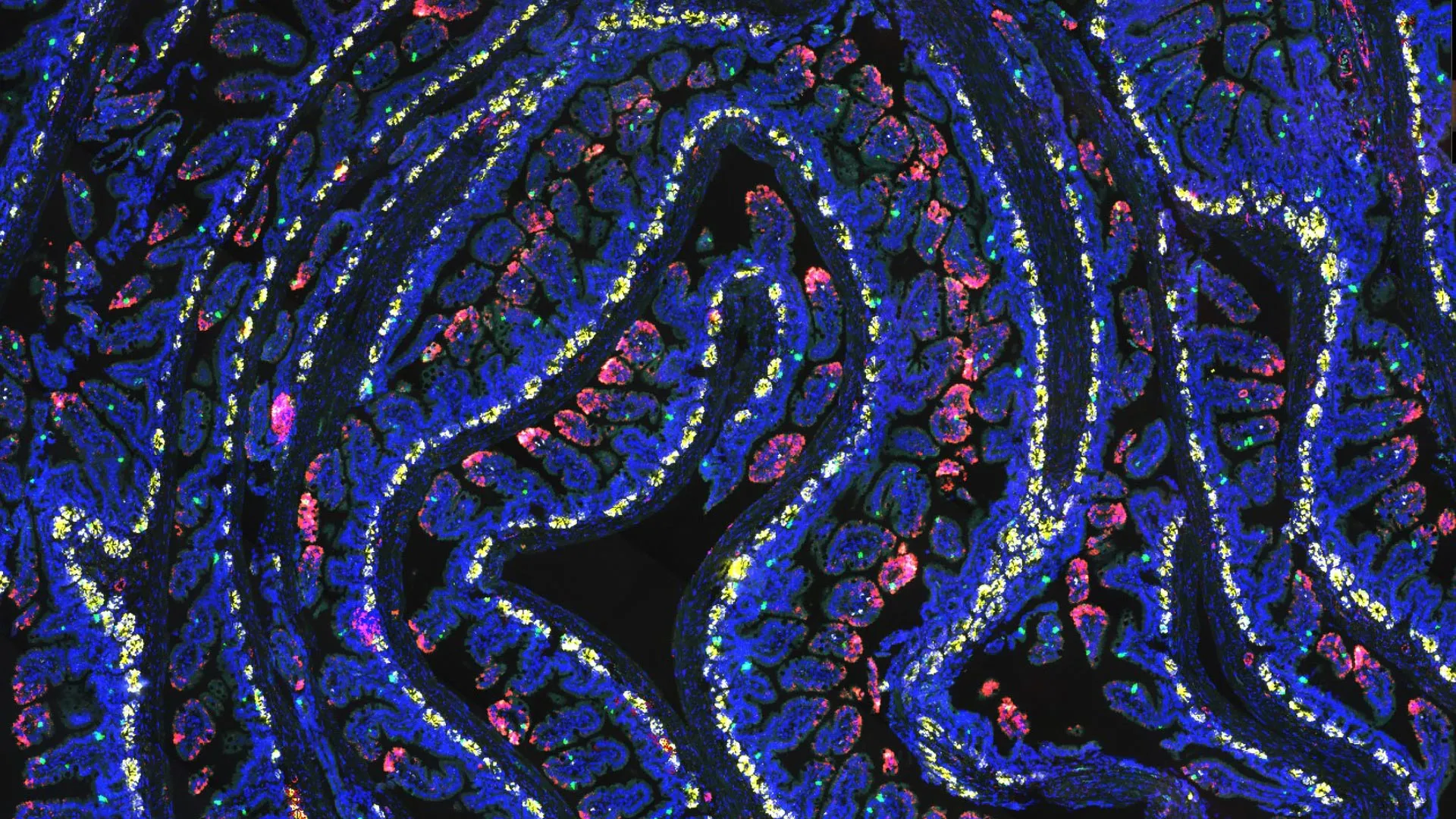
A 24-hour fast triggers a specific gut bacteria response that helps the intestines recover from radiation damage, according to preclinical research published in the Proceedings of the National Academy of Sciences.
Scientists at The University of Texas MD Anderson Cancer Center identified that the bacterium Akkermansia muciniphila, or AKK, is essential for this protective mechanism.
- Researchers found 24 hours of fasting increases the abundance of AKK in the small intestine.
- The bacterium produces propionate, which helps modify histone proteins to activate tissue regeneration genes.
- Removing AKK prevents the regenerative benefits of fasting, according to the study.
Radiation therapy is a common treatment for abdominal cancers, including colorectal, pancreatic, and gynecologic cancers. While effective against tumors, the treatment often damages the small intestine’s delicate lining, leading to severe side effects such as nausea, diarrhea, and infections. These complications can force doctors to limit radiation dosages, potentially impacting the success of the treatment.
Previous studies from the Piwnica-Worms Laboratory established that fasting before radiation exposure improved intestinal recovery. The current research clarifies that the process relies on a biological collaboration between fasting and the gut microbiome.
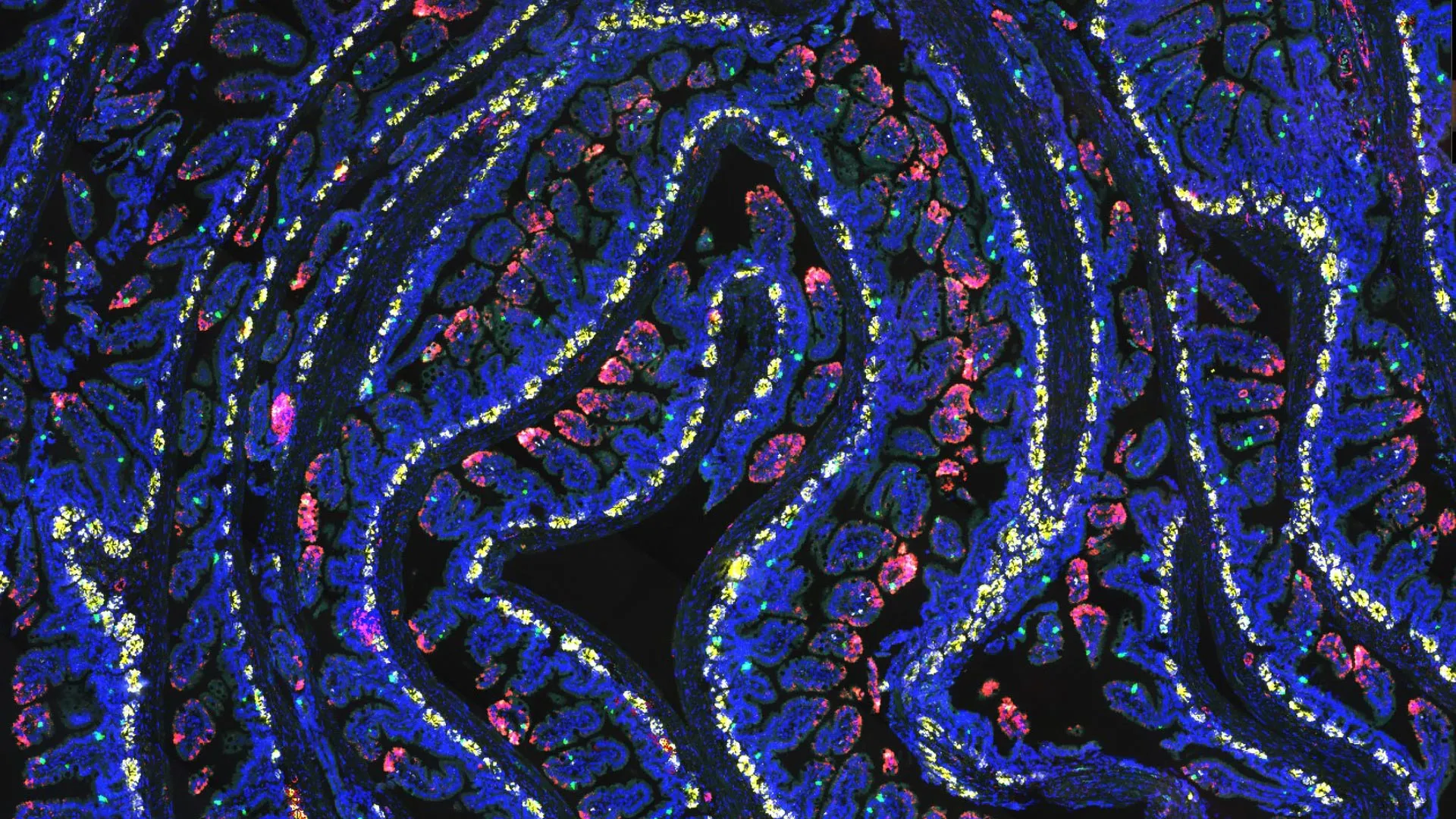
When an individual fasts for 24 hours, the population of AKK bacteria increases in the gut. This microbe produces propionate, a substance that triggers chemical modifications to histone proteins. These proteins package DNA within cells, and their modification makes specific genes more accessible for the body’s natural repair processes.
To confirm the role of the bacteria, researchers selectively removed AKK from the test subjects. Without the microbe, fasting no longer provided a protective effect against radiation damage, according to the study. The regenerative response was only restored when the bacterium was reintroduced alongside the fasting protocol, indicating that both factors are necessary to trigger the repair pathway, ScienceDaily reported.
While these findings suggest new ways to protect healthy tissue during cancer care, the research remains in the preclinical stage. Scientists are now looking into whether these repair mechanisms can be replicated in humans or applied to other rapidly dividing tissues, such as bone marrow.
It remains unknown if this specific pathway will be effective in human clinical trials or if alternative methods, such as direct supplementation of bacterial metabolites, can safely replace the requirement for fasting.