
Houthi Attacks on Israel & Red Sea Shipping: What’s the Risk?
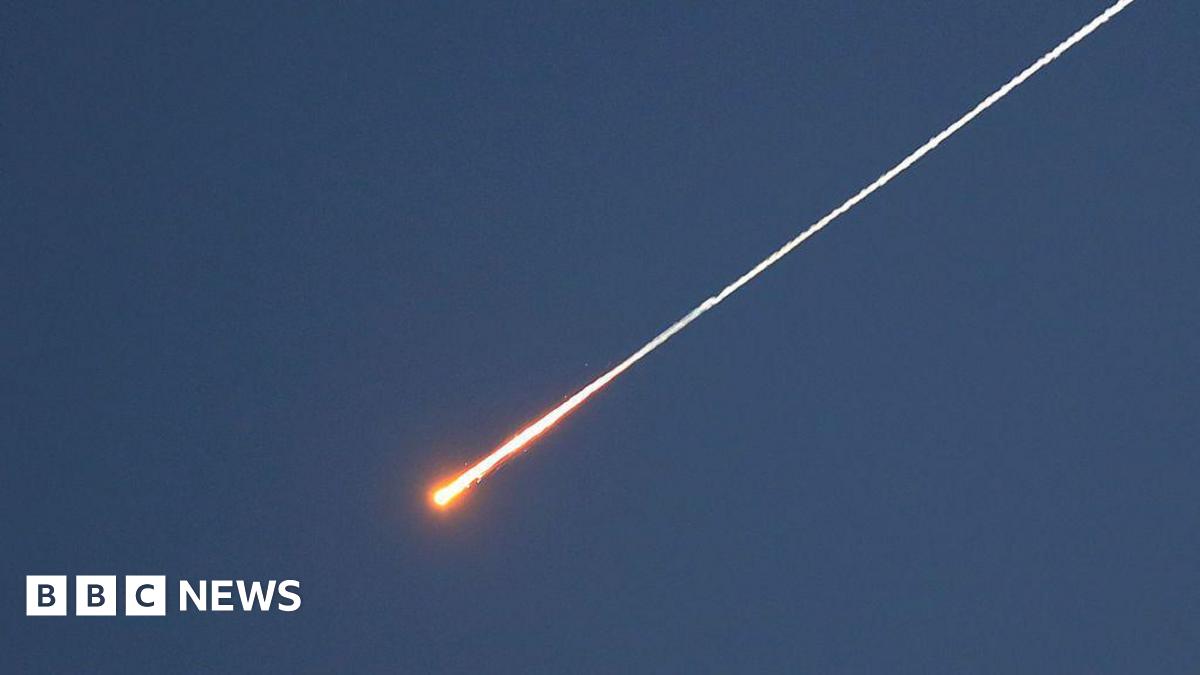
On March 28, 2026, Iran-backed Houthi forces in Yemen launched a missile strike against Israel, marking the first direct attack on the nation since the conclusion of the major regional conflict. While Israeli air defenses intercepted the projectile with minimal physical damage, the event signals a dangerous resurgence of asymmetrical warfare in the Red Sea corridor. This escalation threatens to reignite disruptions to global shipping lanes, specifically targeting the Bab al-Mandab Strait, forcing international businesses to reassess supply chain security and maritime insurance protocols immediately.
The silence over the Red Sea was always going to be temporary. Now, it is broken.
This latest projectile, fired from Houthi-controlled territory in northern Yemen, serves as a stark reminder that the geopolitical fault lines in the Middle East remain active despite the cessation of major ground combat operations. For the average observer, a single intercepted missile might seem like a non-event. But for the global economy, it is a warning flare. The resumption of these attacks transforms a localized security issue into a macro-economic headache, particularly for nations relying on the efficient flow of energy and goods through the Suez Canal.
The Strategic Shift: From Sporadic Fire to Economic Leverage
Between mid-October 2023 and early 2025, the Houthis launched nearly 200 attacks on commercial vessels, damaging over 30 ships and hijacking at least one. That campaign forced traffic through the Bab al-Mandab Strait and the Suez Canal to drop by approximately 50%. The economic fallout was measurable in delayed shipments and skyrocketing freight costs.
Today’s attack suggests a coordinated pivot. The Houthis are no longer just firing at military targets; they are leveraging the threat of maritime disruption to gain diplomatic traction. Saudi Arabia, keenly aware of this volatility, has already begun diverting roughly 4 million barrels of oil daily through pipelines to Yanbu on the Red Sea coast. This infrastructure maneuver is designed to bypass the Strait of Hormuz, but it leaves southern shipping routes exposed.
If the Houthis decide to fully reactivate their campaign against Red Sea shipping, the simultaneous pressure on both the Strait of Hormuz and the Bab al-Mandab could create a logistical bottleneck disastrous for global trade. We are looking at a potential chokehold on Asian market shipments that sail south past Yemen.
Comparative Impact: 2024 vs. 2026 Threat Landscape
To understand the severity of today’s escalation, we must look at the data. The nature of the threat has evolved from opportunistic drone strikes to coordinated missile barrages capable of testing even advanced defense grids.
| Metric | 2023-2025 Campaign | Current 2026 Escalation |
|---|---|---|
| Primary Target | Commercial Shipping & Eilat | Central Israel & Red Sea Lanes |
| Interception Rate | High (Most missiles intercepted) | High, but testing defense saturation |
| Civilian Impact | One fatality in Tel Aviv (July 2024) | High alert status in central districts |
| Shipping Volume | Dropped ~50% in peak crisis | Risk of renewed 40-60% drop |
| Strategic Goal | Solidarity with Gaza | Regional leverage & economic coercion |
The data indicates that while the physical damage to Israel may remain contained due to robust air defense systems like the Iron Dome and Arrow 3, the psychological and economic impact is the real weapon.
“The resumption of attacks is an additional headache for Israel, but the true challenge lies in the maritime domain. If the Houthis decide to start attacking Red Sea shipping again, the effects could be dramatic for global inflation and supply chains.”
The Corporate Response: Mitigating Supply Chain Risk
For multinational corporations and logistics firms, this news triggers immediate contingency protocols. The uncertainty of the Red Sea route forces companies to consider longer, more expensive alternatives, such as routing vessels around the Cape of Good Hope. This adds weeks to delivery times and significantly increases fuel consumption.
Businesses operating in this volatile environment cannot rely on guesswork. They require real-time intelligence and robust logistical planning. This is where the role of specialized supply chain risk management firms becomes critical. These organizations provide the necessary analytics to reroute cargo safely, ensuring that essential goods reach their destination without entering high-risk zones.
the insurance implications are profound. Maritime insurers are likely to re-evaluate war risk premiums for vessels traversing the Indian Ocean and Red Sea immediately following this strike. Companies holding assets in these regions must consult with specialized marine insurance underwriters to ensure their coverage remains valid and adequate against state-sponsored proxy attacks.
Legal and Diplomatic Ramifications
The legal landscape surrounding these attacks is complex. Determining liability and navigating the sanctions regime regarding entities linked to the Houthis requires precise legal counsel. As tensions rise, compliance with international sanctions becomes a minefield for banks and shipping companies.
Legal experts specializing in international trade law warn that the ambiguity of proxy warfare complicates recourse. “When a non-state actor backed by a sovereign nation attacks commercial interests, the path to restitution is unclear,” notes a senior partner at a leading international trade law firm. “Companies must proactively structure their contracts to include force majeure clauses specific to geopolitical instability in the Middle East.”
This highlights the necessity for businesses to engage international trade attorneys who understand the nuances of maritime law and sanctions compliance. Protecting assets in 2026 requires more than just physical security; it demands legal fortification.
A Region on Edge
As the sun sets on March 28, 2026, the region remains in a state of high alert. The missile that fell today was a message, and the world has received it loud and clear. The stability of the Middle East is fragile, and the ripples of this event will be felt in boardrooms from London to Singapore.
We are entering a period where geopolitical events directly dictate operational viability. The distinction between a news headline and a business crisis has vanished. For those navigating these turbulent waters, the difference between weathering the storm and sinking often comes down to the quality of your preparation and the professionals you trust to guide you through it. Stay vigilant, verify your sources, and ensure your operational partners are as resilient as the times we live in.