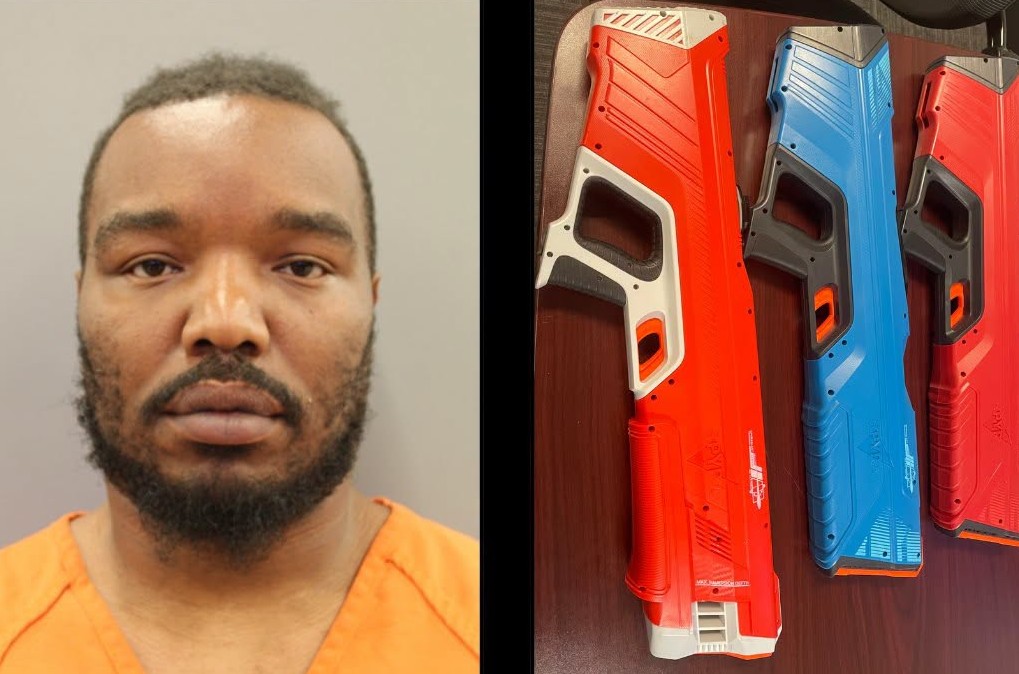
Houston Man Arrested for Assault Causing Bodily Injury
Houston resident Christopher Cayce, 34, faces two counts of misdemeanor assault causing bodily injury following his arrest on Thursday, July 2, 2026. Authorities allege Cayce targeted individuals with a high-pressure water gun in viral videos, sparking a broader investigation into public safety and the legal boundaries of “prank” content.
The Legal Implications of Viral Prank Culture
The arrest of Christopher Cayce highlights an escalating tension between digital content creation and municipal criminal statutes. According to the Houston Police Department, the charges stem from incidents where Cayce allegedly used a pressurized water device to strike unsuspecting victims. While often categorized by creators as harmless entertainment, law enforcement officials maintain that such actions cross the threshold into criminal behavior when they result in physical harm.

Assault causing bodily injury in Texas is classified under the Texas Penal Code as a Class A misdemeanor. This charge typically carries penalties including up to one year in county jail and fines reaching $4,000. The legal system is increasingly forced to address the rise of “prank” videos that involve non-consensual physical contact, even when the instrument used is not a traditional weapon.
Contextualizing Public Safety and Liability
Legal analysts suggest that the rise of social media platforms has incentivized creators to push boundaries for engagement. However, the legal consequences for these actions remain rigid. When individuals engage in conduct that subjects others to unwanted physical contact, they risk significant civil and criminal liability.
For victims of such incidents, the process of seeking justice can be daunting. Those affected by public disturbances or physical altercations often find it necessary to engage with professional legal counsel to navigate the complexities of filing charges or seeking damages. Understanding one’s rights in public spaces is paramount when a viral trend compromises personal safety.
The Shift in Municipal Enforcement
Houston law enforcement has signaled a more aggressive stance toward behavior that disrupts public peace. The department’s decision to pursue charges against Cayce serves as a warning to other content creators operating within the city limits. This enforcement action aligns with a national trend where local authorities are prioritizing the prosecution of “social media stunts” that pose risks to citizens.
Community leaders emphasize that public space is a shared resource governed by strict behavioral norms. When these norms are violated, the burden of resolution often falls on municipal services and law enforcement agencies. Individuals or business owners who find their operations or safety threatened by such disturbances are encouraged to connect with specialized security and advocacy organizations to ensure their environments remain protected.
Defining the Boundary of Consent
Cayce’s defense, articulated through his public assertion that he is “not a bad person,” touches on the subjective nature of intent. In the eyes of the law, however, intent is often secondary to the outcome of the action. If a victim sustains injury—a requirement for the specific charges brought against the defendant—the perpetrator’s personal character becomes secondary to the statutory violation.

The current legal environment is unforgiving regarding the “prank” defense. Courts are increasingly disregarding the lack of malicious intent if the action itself is found to be reckless or physically intrusive. As this case progresses through the court system, it will likely serve as a precedent for how future digital-age altercations are adjudicated in Texas.
The Long-Term Impact on Content Creation
As the digital landscape evolves, so too must the awareness of those navigating it. The arrest serves as a reminder that the digital world does not exist in a vacuum. Every action recorded for an audience is subject to the same laws that govern physical reality.
For those involved in the media industry or digital marketing, the necessity of risk assessment has never been higher. Engaging with compliance and ethics consultants can help creators distinguish between creative expression and legal exposure. As authorities continue to monitor these developments, the intersection of viral fame and criminal law remains a volatile area that demands professional vigilance and a clear understanding of municipal boundaries.
The case of Christopher Cayce remains a sobering example of the cost of viral ambition. While the digital age offers unprecedented reach, it also provides a permanent record of conduct that can be used to anchor criminal proceedings. The final resolution of this case will undoubtedly influence how future creators approach the line between performance and prohibited conduct, reminding us all that in the eyes of the law, the camera does not provide immunity from the consequences of one’s actions.