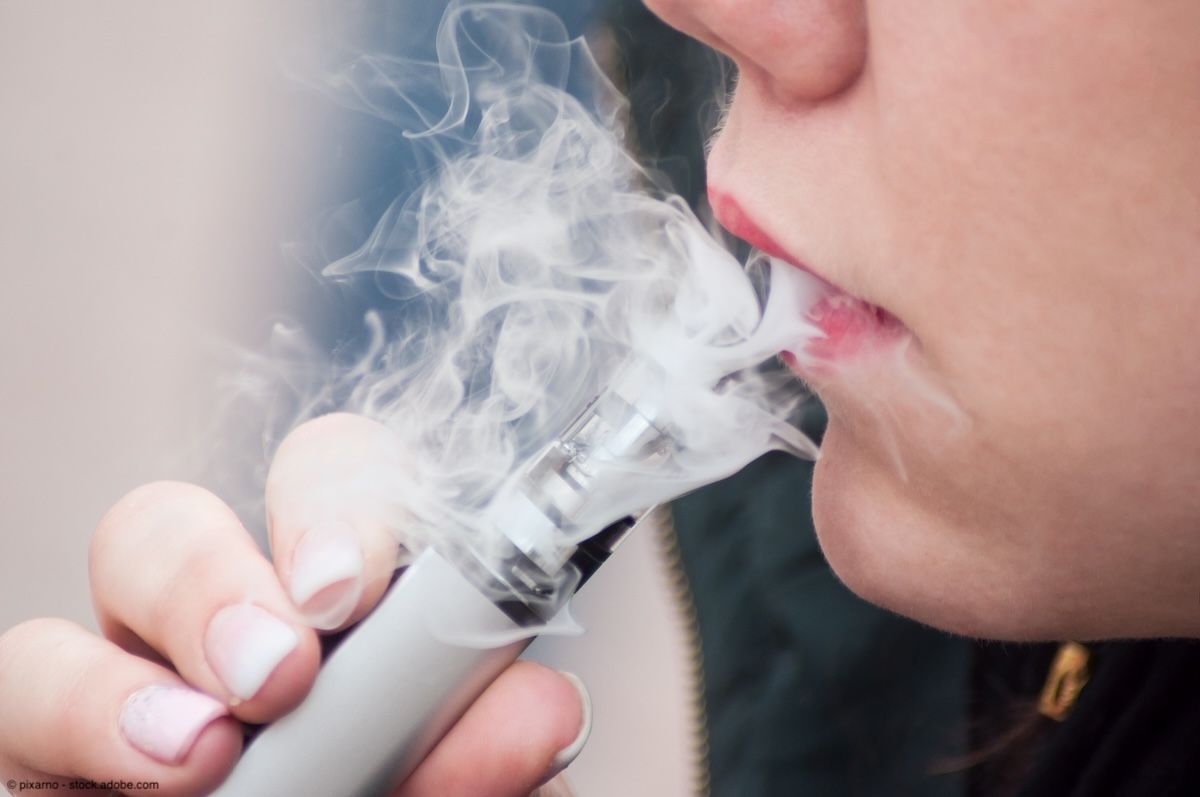
Household Vaping and Tobacco Exposure Linked to Worse Childhood Asthma Control
“Many parents believe e-cigarettes are a safer alternative to cigarettes, both for themselves and for their children’s health. Our findings suggest that assumption doesn’t fully hold up for kids with asthma,” said Dr. Brian Jenssen, lead author of a study presented at the American Academy of Pediatrics 2026 National Conference & Exhibition in San Diego, CA.
- Household exposure to both traditional tobacco and electronic cigarettes is linked to poorer asthma control, higher albuterol use, and increased hospital admissions in children.
- Data drawn from 48,118 urban primary care encounters between July 2023 and March 2026 reveal that e-cigarette-only exposure associates with higher rates of asthma flares and activity-related symptoms.
- Researchers urge pediatric care teams to screen for all forms of household nicotine and tobacco use during routine clinical visits.
Urban Health Network Data Links Vaping Exposure to Poorer Asthma Control
Household e-cigarette use associates with worsened asthma management and increased symptom severity among pediatric patients. Investigators analyzed electronic health record data from an urban primary care network collected between July 2023 and March 2026. The study examined clinical visits where parents of children aged 1 year or older with asthma completed both a parent tobacco treatment platform and an asthma control tool.
The parent tobacco treatment platform recorded whether family members used combustible tobacco, e-cigarettes, or both. Meanwhile, the asthma control tool tracked symptoms, control status, medication utilization, and overall healthcare encounters. The final analysis evaluated 48,118 distinct clinical encounters.
Combined Tobacco and E-Cigarette Exposure Increases Uncontrolled Status
When families used both product types, multivariable logistic regression models adjusted for child age, sex, insurance, and the Child Opportunity Index showed negative impacts on pediatric health.
Combined household exposure associated with activity-related symptoms at an adjusted odds ratio of 1.3, nighttime symptoms at 1.3, and increased albuterol use at 1.2. Dual exposure tied to hospital admissions in the past year at an adjusted odds ratio of 1.2 and an uncontrolled asthma status at 1.4.

Isolated Vaping Exposure Triggers Flares and Wheezing Symptoms
Homes utilizing e-cigarettes exclusively presented distinct clinical risks for pediatric residents. E-cigarette-only exposure associated with more frequent asthma flares and activity-related symptoms.
Broader scientific literature highlights that electronic nicotine delivery systems introduce complex chemicals into indoor environments. Research published by Oregon State University investigators in Pharmacology & Therapeutics noted that heavy metals like lead, toxic carbonyl compounds, and nanoparticles are detectable in e-cigarettes. Medical specialists warned that chemical vapors and flavor additives can trigger severe respiratory obstruction, sudden asthma-like suffocation attacks, and intense allergic reactions. Other reports emphasized that excessive secondhand aerosol inhalation damages anyone present in the living space.
Cardiovascular and Mental Health Pressures Compound Respiratory Risks
While the primary study centers on pediatric pulmonary outcomes, broader medical evaluations highlight systemic harms associated with electronic nicotine products. Nicotine acts as a stimulant, temporarily increasing heart rate and blood pressure while constricting blood vessels. Cardiovascular specialists caution that repeated exposure may place ongoing stress on the vascular system.

Adolescent mental health outcomes also intersect with vaping trends. Data indicate that adolescent e-cigarette users exhibit higher rates of depression and panic disorder, alongside an increased likelihood of transitioning to conventional combustible cigarettes later in life.
Clinical Recommendations Call for Comprehensive Household Screening
Because the primary investigation utilized a cross-sectional design relying on parent-reported data, the findings reflect associations rather than direct causation. Parent-reported emergency department visits, urgent care utilization, and oral steroid use showed no statistically significant association with exposure types after multivariable adjustment.
Despite these methodological boundaries, researchers stress that clinical practice must adapt. Jenssen stated that the findings reinforce the need for pediatric care teams to screen for all forms of household nicotine and tobacco use during routine asthma visits. Clinicians advise parents aiming to protect their children’s respiratory health to seek evidence-based cessation support, utilizing structured counseling and nicotine replacement therapies rather than assuming electronic devices eliminate indoor health risks.
Disclaimer: The information provided in this article is for educational and scientific communication purposes only and does not constitute medical advice. Always consult with a qualified healthcare provider regarding any medical condition, diagnosis, or treatment plan.