
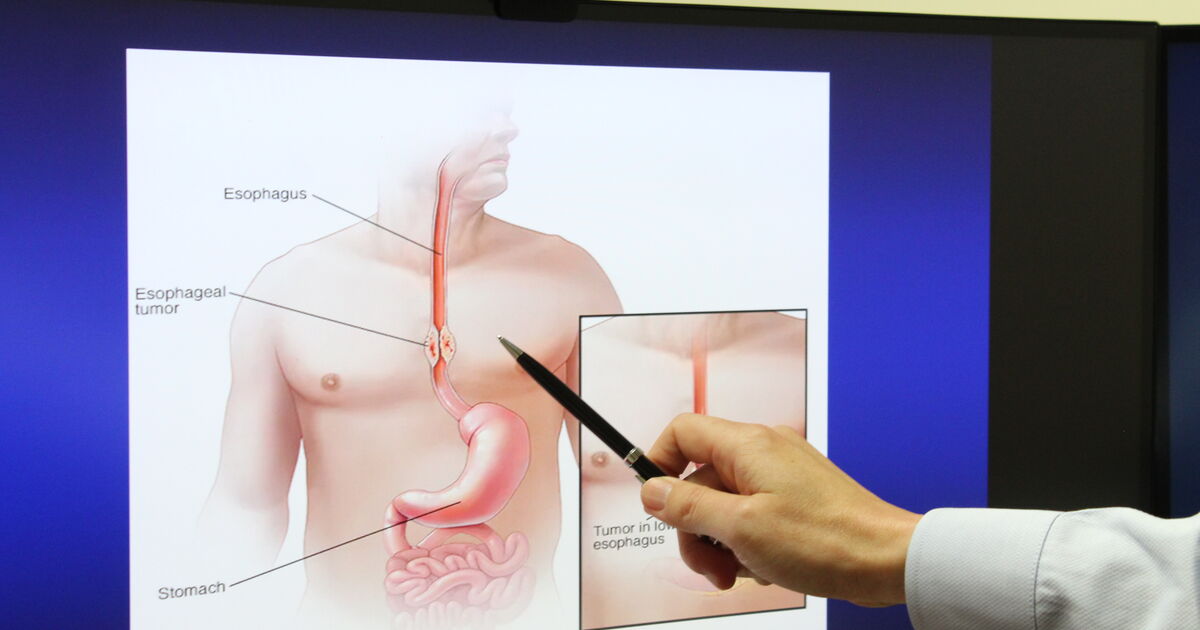
Hot Drinks and Heartburn: Link to Increased Cancer Risk
The simple act of sipping a hot beverage may be more than a comfort ritual; for some, it is a catalyst for cellular damage. New research from Loma Linda University suggests a dangerous synergy between thermal injury and chronic acid reflux that significantly elevates the risk of esophageal cancer.
Key Clinical Takeaways:
- Consuming liquids above 65°C (149°F) can cause thermal trauma to the esophageal lining, accelerating the development of precancerous lesions.
- The risk is compounded in patients with Gastroesophageal Reflux Disease (GERD), where acid-induced inflammation weakens the mucosal barrier.
- Early detection through endoscopic screening is critical for those with chronic heartburn and a habit of consuming very hot drinks.
The pathogenesis of esophageal squamous cell carcinoma (ESCC) is rarely the result of a single trigger. Instead, it is typically a cumulative process of chronic irritation. When the esophagus is repeatedly exposed to extreme heat, the resulting thermal injury triggers a cycle of cell death and rapid regeneration. While the body attempts to repair this damage, the frequent turnover of epithelial cells increases the probability of genetic mutations. In a healthy esophagus, this process is managed efficiently. However, for individuals suffering from chronic heartburn, the landscape changes entirely.
The synergy between thermal burns and acid reflux creates a “perfect storm” of morbidity. Acid reflux strips the protective mucus layer, leaving the underlying tissue vulnerable. When a hot beverage is introduced to this compromised environment, the thermal penetration is deeper and the inflammatory response more aggressive. This chronic state of inflammation, known as esophagitis, can progress to Barrett’s esophagus—a metaplastic change where the lining of the esophagus transforms into a glandular type similar to the intestines—which is a well-documented precursor to adenocarcinoma.
The Biological Mechanism of Thermal Carcinogenesis
The risk is not merely anecdotal but rooted in the physics of heat transfer and cellular biology. According to longitudinal data often cited in the PubMed archives regarding thermal injury, temperatures exceeding 65°C cause immediate protein denaturation and cellular necrosis. This triggers a systemic inflammatory response characterized by the release of cytokines and growth factors that, while intended to heal, can inadvertently promote the proliferation of mutated cells.
“The danger lies in the repetitive nature of the insult. A single hot drink is a nuisance; a lifetime of hot tea or coffee combined with untreated reflux is a chronic chemical and thermal assault on the esophageal mucosa,” notes Dr. Elena Rossi, an epidemiologist specializing in gastrointestinal cancers.
This research, largely supported by internal university grants and public health funding aimed at cancer prevention, aligns with the World Health Organization’s (WHO) classification of very hot drinks as “probably carcinogenic to humans.” The critical gap in public awareness is the intersection of this habit with GERD. For patients who treat heartburn with over-the-counter antacids without addressing the underlying physiological dysfunction, the risk remains latent but present.
For those experiencing persistent nocturnal reflux or a sensation of food sticking in the throat (dysphagia), immediate clinical intervention is necessary. These symptoms often signal that the esophageal architecture has already been altered. It is imperative to consult board-certified gastroenterologists to perform a high-definition endoscopy and biopsy to rule out dysplasia.
Epidemiological Trends and Public Health Implications
The prevalence of this risk varies globally, often mirroring cultural beverage habits. In regions where tea is consumed at boiling temperatures, the incidence of ESCC is markedly higher. However, the “Western” manifestation often involves the combination of high-temperature coffee consumption and the high prevalence of obesity-related GERD. This suggests that the risk is not limited by geography but by lifestyle synergy.
The standard of care for managing this risk involves a two-pronged approach: behavioral modification and pharmacological stabilization. Reducing the temperature of beverages to a “warm” rather than “hot” state significantly mitigates the thermal load. Simultaneously, managing acid production through Proton Pump Inhibitors (PPIs) or surgical interventions like Nissen fundoplication can protect the mucosa from the acid-driven “priming” that makes heat so dangerous.
“We must shift the clinical conversation from ‘treating the burn’ to ‘preventing the mutation.’ By the time a patient presents with a detectable tumor, the window for primary prevention has closed,” says Dr. Marcus Thorne, a clinical researcher in oncology.
From a B2B and regulatory perspective, this research highlights a growing need for better diagnostic integration. Diagnostic centers are increasingly adopting AI-driven imaging to detect subtle mucosal changes that the human eye might miss during a routine screening. Facilities looking to upgrade their screening capabilities are frequently partnering with advanced diagnostic imaging centers to implement early detection protocols for Barrett’s esophagus.
Mitigating Risk Through Clinical Vigilance
The transition from chronic irritation to malignancy is not instantaneous, providing a critical window for intervention. The primary goal is to break the cycle of inflammation. This requires a comprehensive assessment of both dietary habits and the efficacy of reflux management. If a patient is utilizing PPIs but still experiences “breakthrough” heartburn, the current treatment regimen is failing, and the risk of thermal synergy increases.
the legal and compliance landscape for healthcare providers is evolving. As the link between lifestyle factors and cancer becomes more evidence-based, the duty of care involves proactive screening recommendations. Medical practices are now engaging healthcare compliance attorneys to ensure their preventative screening protocols meet the latest evidence-based guidelines to avoid liability and improve patient outcomes.
The trajectory of this research suggests that we will soon move toward personalized risk profiling. By analyzing a patient’s genetic predisposition to acid sensitivity and their behavioral patterns, clinicians will be able to predict who is most at risk for thermal carcinogenesis. Until then, the most effective tool remains the simplest: letting your drink cool down and treating heartburn as a clinical priority rather than a minor inconvenience.
As we refine our understanding of how environmental triggers interact with chronic health conditions, the importance of specialized, vetted care becomes paramount. Whether you are seeking a definitive diagnosis for chronic reflux or looking for the latest in endoscopic screening, accessing a network of verified specialists is the only way to ensure a proactive health strategy.
Disclaimer: The information provided in this article is for educational and scientific communication purposes only and does not constitute medical advice. Always consult with a qualified healthcare provider regarding any medical condition, diagnosis, or treatment plan.