Hong Kong Weaponizes Colonial-Era Laws to Dismantle Civil Society
On September 3, the Hong Kong Court of Appeal affirmed the conviction of five trustees of the defunct 612 Humanitarian Relief Fund for failing to register the organization under the colonial-era Societies Ordinance. Established in 2019 to cover medical and legal fees for pro-democracy protesters, the fund’s prosecution highlights a broader regional trend of weaponizing historical legislation to dismantle civil society organizations and restrict freedom of association.
The 612 Humanitarian Relief Fund Verdict and Legal Background
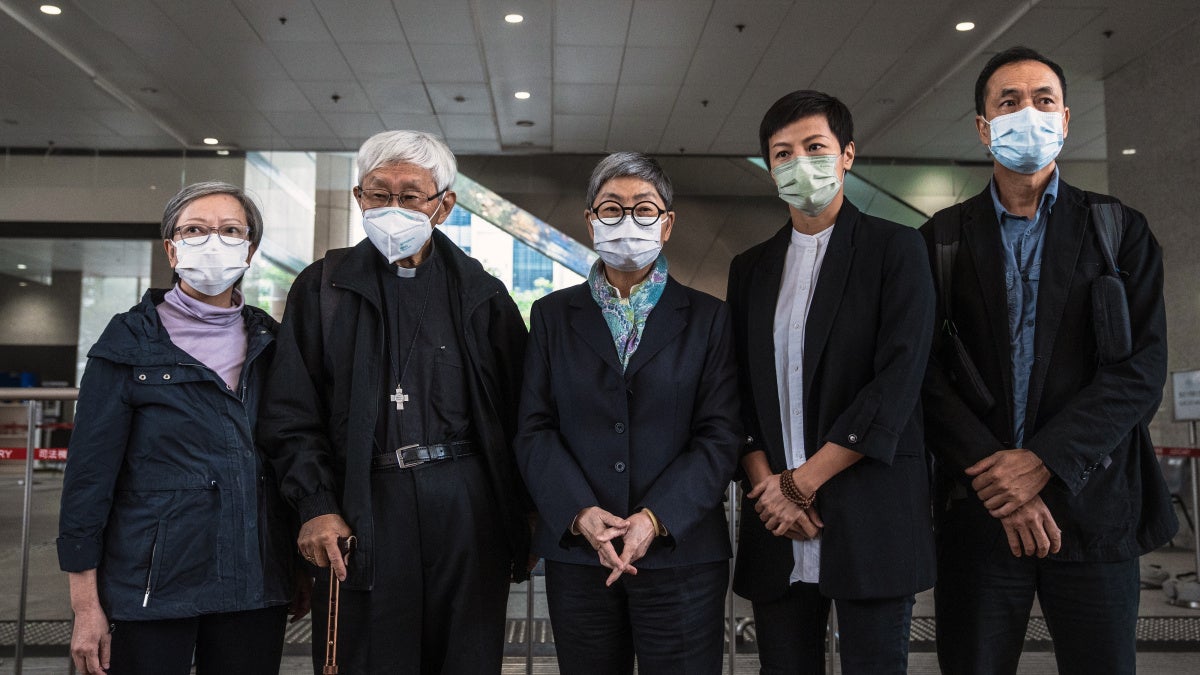
The legal battle centers around the 612 Humanitarian Fund, which operated via public donations until winding down its operations in 2021. Following its closure, the five trustees—including Cardinal Joseph Zen, barrister Margaret Ng, and singer Denise Ho—faced prosecution under the 1911 Societies Ordinance enacted by the British colonial government to control gangs. According to court records, the magistrates’ court originally fined the trustees HK$4,000 (US$510) in November 2022 for failing to register as a formal society. The September Court of Appeal ruling upheld this conviction, finding that the statutory reporting obligations do not impose an unacceptably harsh burden on fundamental rights.
Legal scholars and international monitors have long pointed out that the ordinance defines a “society” with sweeping breadth, capturing virtually any informal gathering or temporary coalition. To remain compliant, organizations must submit detailed personal information to the police and maintain continuous reporting standards.
Repurposing Colonial Legislation Against Civil Society
The reliance on the Societies Ordinance is part of a wider pattern of governance in Hong Kong. In the decades following the 1997 handover to China, authorities increasingly utilized the 1911 law to target opposition figures, ban the Hong Kong National Party, pressure the Civil Human Rights Front into disbanding, and prosecute trade union leaders. Alongside sedition provisions and the Public Order Ordinance, these historic tools complement the 2020 National Security Law, which Beijing imposed to penalize acts of subversion and foreign collusion.
Department of State Hong Kong 2023 Human Rights Report, document systematic pressure on nongovernmental organizations and independent labor groups. The United Nations Human Rights Committee has repeatedly criticized the vague statutory language embedded in these colonial-era measures.
Broad Implications for Freedom of Association in Hong Kong
The appellate court’s validation of the Societies Ordinance reinforces heavy-duty police oversight over everyday civic actions. Because the law catches informal mutual-aid initiatives within its regulatory net, humanitarian groups and public advocacy networks find themselves vulnerable to criminal sanction simply for organizing relief efforts.