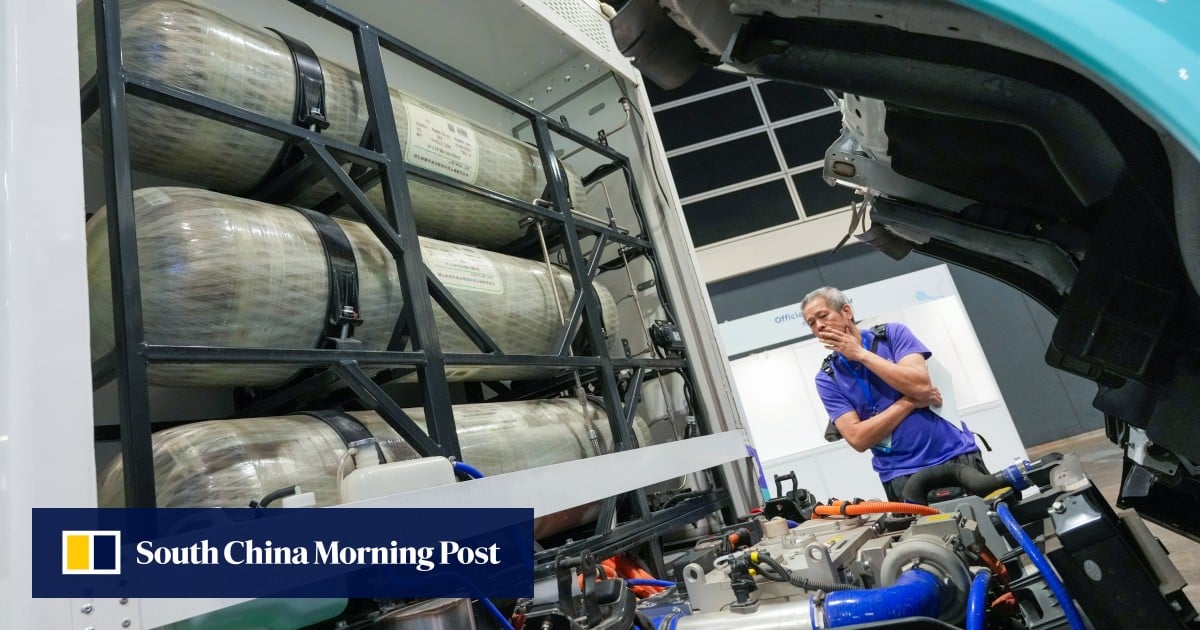
Hong Kong Must Fast-Track Hydrogen Adoption to Hit 2050 Carbon Neutrality Goals
Hong Kong’s push to adopt hydrogen as a clean energy solution by 2050 is accelerating, with a new think tank report urging the city to fast-track infrastructure—like hydrogen refueling stations at container terminals—to meet its carbon neutrality goals. The recommendations, released on May 19, 2026, by Our Hong Kong Foundation, outline nine key steps, from vehicle adoption to supply chain governance, positioning hydrogen as a linchpin in the city’s decarbonization strategy. With global energy markets shifting toward low-carbon alternatives, Hong Kong’s move could redefine its role in Asia’s green transition—but only if execution matches ambition.
The Problem: Why Hydrogen Isn’t Just Another Energy Trend
Hong Kong’s carbon neutrality pledge by 2050 is legally binding under the Climate Action Plan 2050, yet the city’s current energy mix remains heavily reliant on coal and natural gas. Hydrogen—when produced via renewable methods—emits only water vapor, making it a critical tool for heavy industries like shipping and logistics, which account for 20% of Hong Kong’s total emissions (per the 2024 Environmental Protection Department report). The challenge? Scaling infrastructure without disrupting the city’s $400 billion port economy.
The report’s timing is deliberate. By 2026, neighboring regions like Shanghai and Guangdong have already launched pilot hydrogen projects, creating a competitive pressure for Hong Kong to avoid falling behind. “The window for leadership is closing,” warns Dr. Chan Mei-ling, a climate policy expert at the University of Hong Kong. “
If we don’t act now, we risk becoming a carbon island in a region racing toward net zero.
“
Nine Steps to Hydrogen Dominance: The Blueprint
- Refueling Infrastructure: Prioritize stations at container terminals (e.g., Kwai Tsing) and industrial zones like Tuen Mun, where diesel trucks dominate.
- Vehicle Fleet Transition: Mandate hydrogen-powered forklifts in ports by 2030, reducing diesel emissions from logistics operations.
- Supply Chain Governance: Establish a certification body to ensure hydrogen meets international low-carbon standards, aligning with China’s National Development and Reform Commission guidelines.
- Public-Private Partnerships: Incentivize energy firms to co-fund hydrogen production hubs, leveraging Hong Kong’s status as a global financial hub.
- Workforce Training: Partner with vocational schools to upskill technicians in hydrogen handling, addressing a projected 30% shortfall in qualified personnel by 2035.
Geopolitical and Economic Ripples
Hong Kong’s hydrogen strategy isn’t just about local emissions—it’s a geopolitical play. As China’s 14th Five-Year Plan prioritizes hydrogen as a national energy pillar, Hong Kong’s adoption could position it as a gateway for mainland investments in Southeast Asia. Yet risks loom. The city’s land scarcity means refueling stations will compete with residential and commercial spaces, requiring urban planning attorneys to navigate zoning conflicts. Meanwhile, shipping firms like Hapag-Lloyd, which operates out of Hong Kong’s ports, are already testing hydrogen-powered vessels—pressure that could force local regulators to accelerate timelines.
The economic stakes are clear: A successful hydrogen push could attract $10 billion in green energy investments by 2040, per projections from Hong Kong Trade Development Council. But missteps could alienate businesses. “Companies won’t wait for perfect policies,” says Mark Wong, CEO of GreenPort Logistics. “
If the government drags its feet on permits or subsidies, we’ll take our projects to Singapore or Busan.
“
The Human Factor: Who Wins and Who Loses?
For residents, the benefits may be indirect—cleaner air and lower long-term energy costs—but the transition will disrupt industries. Diesel truck drivers in Kwai Chung, for example, face obsolescence as hydrogen-powered rigs roll in. The city’s workforce transition programs will need to expand rapidly to retrain affected workers, a task already underway in Germany and Japan. Meanwhile, slight businesses like the Hong Kong Restaurant Association may see higher energy costs if hydrogen isn’t priced competitively against natural gas.
Directory Bridge: Who’s Equipped to Solve This?
Hong Kong’s hydrogen gambit demands a coordinated response. Here’s who’s already positioning themselves to lead:

- Environmental Law Firms: Navigating the Environmental Impact Assessment Ordinance for hydrogen projects requires specialists like Deacons or Withers, which are advising on compliance for early adopters.
- Green Energy Consultants: Firms such as AECOM and Black & Veatch are partnering with the government to design hydrogen hubs, with a focus on repurposing underutilized land near ports.
- Workforce Training Providers: Institutions like the Hong Kong Productivity Council are developing certification courses for hydrogen technicians, addressing the skills gap before it becomes a bottleneck.
- Green Finance Advisors: Banks like HSBC and Standard Chartered are structuring carbon credit-linked loans for hydrogen projects, but startups in fintech—such as Climeworks’s Hong Kong partners—are offering innovative risk-sharing models.
The Kicker: A Race Against Time
Hong Kong’s hydrogen strategy isn’t just about meeting a 2050 deadline—it’s about proving that a city built on trade can pivot faster than its competitors. The think tank’s report is a roadmap, but the real test will be execution. With China’s hydrogen industry projected to hit $100 billion by 2030, Hong Kong’s choice is clear: Lead or lag. For businesses and policymakers alike, the clock is ticking. The question isn’t whether hydrogen will power Hong Kong’s future—it’s whether the city will be ready when the world demands it.
To stay ahead, explore verified green energy consultants, environmental law experts, and workforce transition programs in our Global Directory—where the professionals shaping this transition are already at work.