Hong Kong Backs New 30-Year Plan Amid Calls to Reintroduce Housing Scheme
<>
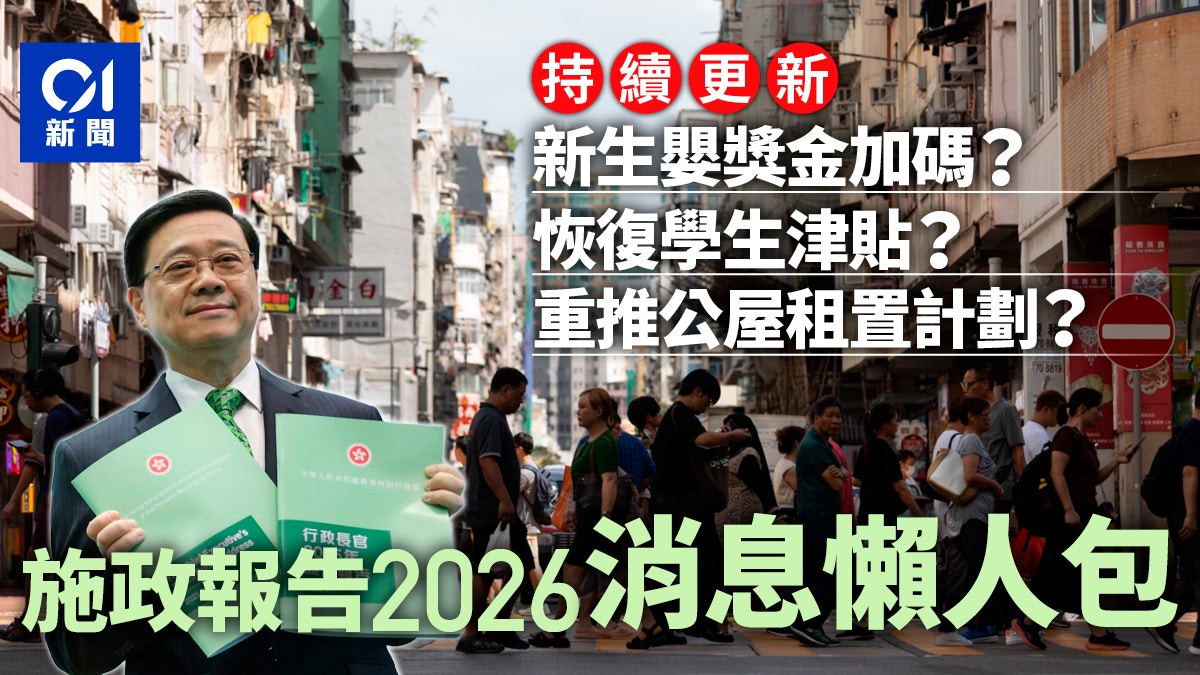
As Hong Kong approaches the 2026 Policy Address, political parties are intensifying pressure on the administration to address mounting demographic and economic pressures. Lawmakers are advocating for increased newborn cash incentives, the revival of the Tenants Purchase Scheme, and strategic infrastructure projects in the Northern Metropolis to stimulate growth and stability.
Legislative Proposals and the Economic Outlook
With the 2026 Policy Address expected in the coming months, major political factions have submitted comprehensive policy agendas. The Democratic Alliance for the Betterment and Progress of Hong Kong (DAB) has put forward 54 specific recommendations. Central to their platform is the reactivation of the Tenants Purchase Scheme (TPS), a move designed to facilitate homeownership for public housing tenants—a strategy that has remained a point of debate since its previous suspension.

The DAB’s proposal also includes a “dynamic adjustment” mechanism for labor importation. This approach seeks to balance the city’s acute labor shortage with the protection of local employment levels, acknowledging the friction between industrial demand and the domestic workforce.
Infrastructure and Innovation: The Northern Metropolis Focus
The Liberal Party has concentrated its advocacy on the development of the Northern Metropolis, shifting its focus toward aggressive innovation and technology (I&T) integration. Their submission of over 100 policy suggestions emphasizes that the Northern Metropolis must serve as the primary engine for Hong Kong’s future economic diversification.

Complementing this, the DAB has proposed the construction of a high-speed rail station directly within the Northern Metropolis. This infrastructure investment is intended to tighten the spatial and economic integration between Hong Kong and the Greater Bay Area. For businesses operating in the construction, logistics, or urban planning sectors, these proposed shifts represent significant potential for long-term contract opportunities. Firms looking to align with these developments often require specialized guidance from Urban Planning and Development Consultants to navigate the shifting regulatory landscape.
Social Welfare and Demographic Incentives
Amidst a record-low fertility rate, political discourse has turned toward aggressive fiscal intervention. Proposals circulating within the Legislative Council include a substantial increase in the “cash-for-newborns” incentive. Proponents argue that the current financial support is insufficient to offset the rising cost of childcare and education.
Additionally, some parties have suggested a new round of consumption vouchers, proposing a HK$2,000 distribution to stimulate local spending. This follows a broader discussion about how to best support citizens as the city prepares to celebrate the 30th anniversary of the establishment of the Hong Kong Special Administrative Region. These fiscal measures are designed to provide a short-term buffer against inflationary pressures.
Navigating Regulatory and Compliance Hurdles
The complexity of these proposed policies—particularly regarding labor importation and land development—presents a multifaceted challenge for corporate entities. As the government adjusts its stance on foreign labor, businesses must ensure strict adherence to evolving employment ordinances.

The intersection of public policy and private enterprise requires sophisticated oversight. Companies often find that failing to monitor these legislative shifts leads to operational delays. Engaging with Corporate Compliance and Legal Services remains the primary method for firms to mitigate risks associated with sudden policy pivots. Similarly, developers eyeing projects within the Northern Metropolis are increasingly relying on Commercial Real Estate Law Firms to secure their interests in what is expected to be a highly competitive and heavily regulated development zone.
The Path Forward
The administration now faces the task of synthesizing these disparate recommendations into a coherent 2026 strategy. While political parties provide the impetus, the executive branch must weigh the fiscal sustainability of these measures against the long-term needs of the city’s aging population and the necessity for technological transformation.
The effectiveness of the upcoming Policy Address will hinge on whether the government can move beyond temporary relief to address the structural bottlenecks in housing and labor. As the city waits for the official announcement, the alignment between public sector goals and private sector capability will define the success of these initiatives. For those operating within the city’s professional services sector, staying informed on the granular details of these proposals is not merely an exercise in political awareness, but a prerequisite for strategic planning in an increasingly volatile economic environment.
><>