Honduras Strengthens Routine Vaccination Microplanning in Four Regions
Honduras strengthened routine vaccination microplanning in four health regions through a training workshop, the Pan American Health Organization reported.
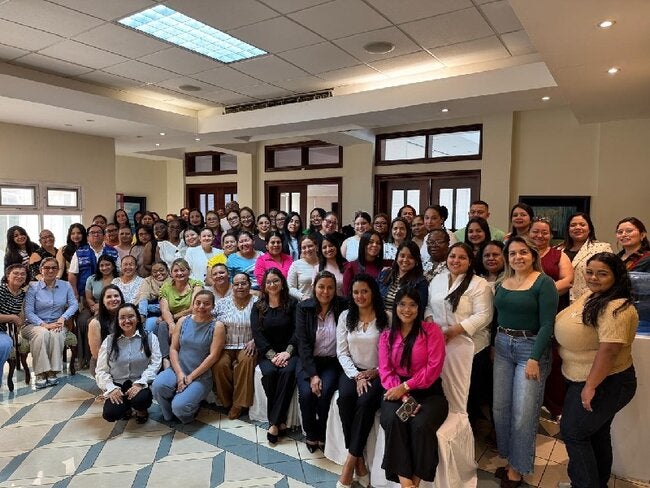
The workshop, held from November 23 to 25 in Tegucigalpa, brought together health teams from El Paraíso, Olancho, Yoro, and Santa Bárbara, according to Paho. A total of 65 participants attended the training, which was organized by Honduras’s Ministry of Health through its Expanded Program on Immunizations (PAI) with technical support from PAHO/WHO.
The activity continues a series of training sessions held in November in Islas de la Bahía and San Pedro Sula. Microplanning is a process that helps identify vaccination gaps, locate populations with zero doses or incomplete immunization schedules, and organize interventions based on community characteristics and available resources.
“The microplanning allows us to identify vaccination gaps, locate populations with zero doses or incomplete schemes, and organize interventions according to the characteristics of the communities and the resources available,” a PAHO/WHO statement described the methodology.
Participants used an Excel-based microplanning workbook as the main tool for situation analysis, programming, monitoring, and evaluation. The sessions also included complementary resources for estimating population by age group, creating population pyramids, visualizing indicators, and building editable maps and sketches to help with territorial organization.
Knowledge evaluations, with 65 responses recorded both before and after the workshop, showed a high level of performance in both instances and a descriptive improvement in the post-test. The teams demonstrated interest in applying the methodology in their areas of responsibility, as reflected in their technical questions and participation in practical exercises.
Following the workshop, participating teams committed to replicating the training, developing microplans for their health establishments, identifying pending populations for vaccination, and scheduling strategies adapted to local needs. They also emphasized the importance of monthly follow-up and coordination with local authorities and community actors.
The next step is to support the completion of local microplans and progressively advance toward their consolidation at the municipal and regional levels. This process will also contribute to preparing the 2027 follow-up vaccination campaign, using the territorial and population information generated by the health teams.