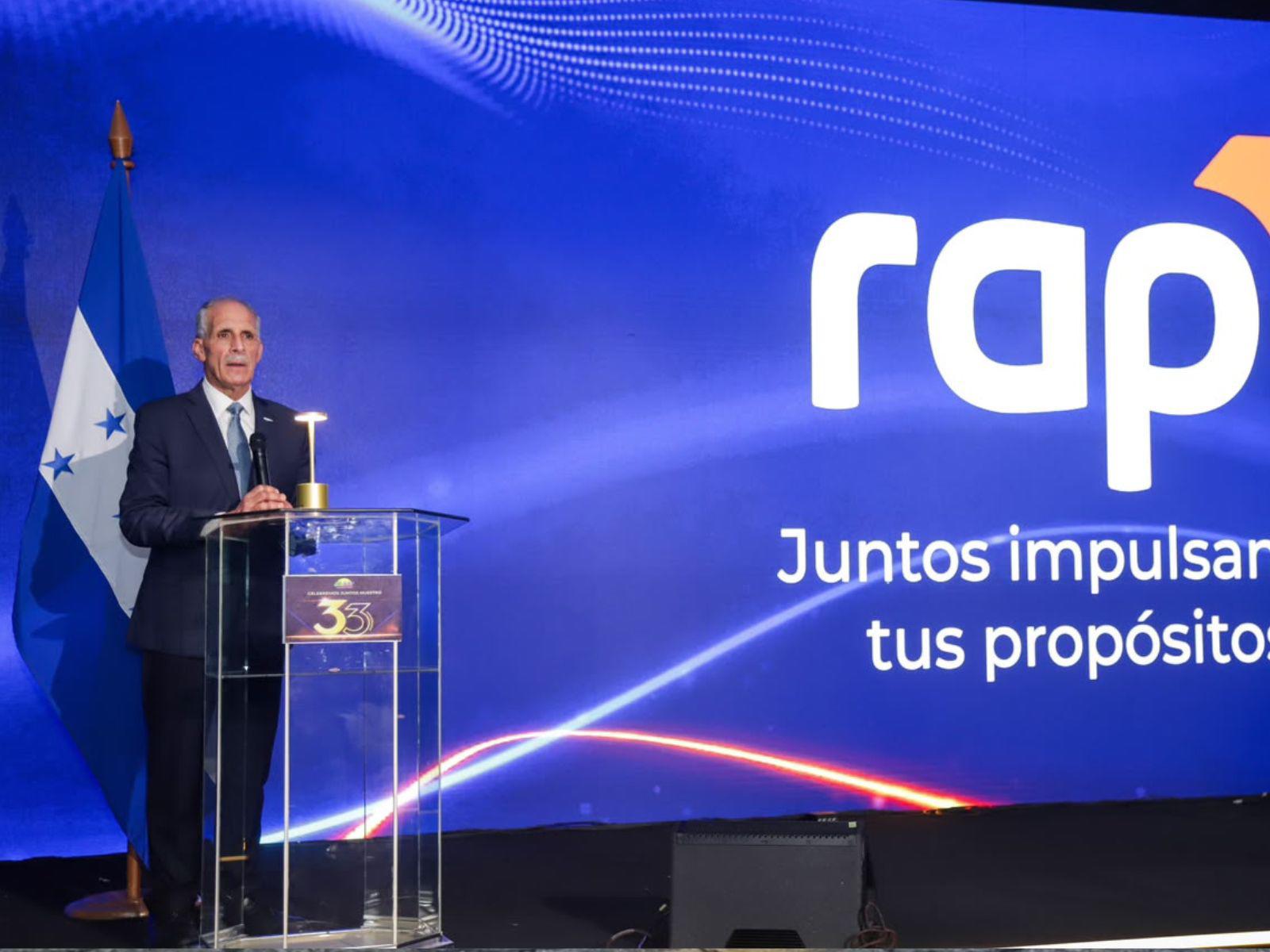
Honduras RAP Cuts Housing Loan Rates by 50 Basis Points Starting January 2027
The Honduran Private Contributions Regime (RAP) will reduce interest rates on new housing loans by 50 basis points starting in January 2027.
This adjustment targets both social and middle-class housing categories, aiming to lower the cost of capital for families as the institution marks its 33rd year of operations.
The interest rate for social housing will decrease from 9% to 8.5%, while loans for middle-class housing will drop from 10.5% to 10%, according to an announcement reported by La Prensa. This policy shift aligns with the National Housing and Human Settlements Policy, which integrates the “Doble Impulso” program. That initiative provides subsidies and bonuses of up to 82,500 lempiras designed to reduce monthly mortgage payments over a 10-year term.
The institution’s focus on residential financing remains a core pillar of its broader fiscal strategy. As of October 2026, the RAP had issued 37,464 housing loans totaling 29,827 million lempiras, Diario El Mundo reported, according to Elmundo. Institutional leaders view these rate cuts as a method to maintain competitiveness and expand home ownership access for the formal workforce.
The RAP reported a record patrimony of 50.3 billion lempiras by the end of 2026, supported by a base of more than 505 mil active affiliates. During the same period, the organization incorporated nearly 4,000 new companies, adding 50,000 workers to its coverage area, according to data from Diario El Mundo. This expansion in the contributor base provides the liquidity necessary to sustain lower lending rates.
| Housing Category | Previous Rate | New Rate (2027) |
|---|---|---|
| Social Housing | 9% | 8.5% |
| Middle-Class Housing | 10.5% | 10 |
Beyond lending adjustments, the institution announced the distribution of 429 million lempiras in surpluses to its members. This capital return shows the organization's tripartite governance model, which balances the interests of workers, the private sector, and the government.
The RAP is deploying new digital tools to streamline administrative processes for both employers and individual affiliates. These include the “Minegocito.hn” platform for micro-enterprises, which assists with inventory management, invoicing, and the generation of financial reports. Such tools provide essential support for entrepreneurs who often require professional accounting and financial advisory services to maintain compliance and growth.
“The dialogue is one of the great strengths,” said Juan Carlos Sikaffy, president of the RAP Council, as reported by Diario El Mundo. He emphasized that the institution’s goal for 2027 is to move beyond simple financing to provide comprehensive financial education. Sikaffy said that the institution intends to accompany workers throughout their credit and savings lifecycle to improve overall decision-making.
The commitment to lowering borrowing costs arrives as the institution seeks to retain its relevance in a competitive financial market. By integrating digital efficiency with subsidized interest rates, the RAP aims to stabilize its role as a primary housing financier. Institutional success in 2027 will largely depend on the continued growth of formal employment and the prudent management of its 50.3 billion lempira portfolio.
“Tener casa propia cambia la vida de una familia, pero también queremos acompañar al trabajador en su crédito, su ahorro y su educación financiera,” said Sikaffy to Diario El Mundo.
- Austrian ATX Falls for Seventh Day Amid Global Risk Aversion
- UK High Court Approves £55M Asset Surrender in Singapore $3B Laundering Case
- What Trump's Housing Order Means for a $360,000 Loan at 7.32% (daybreakwire.com)
- California Announces New Homekey+ Projects and Funding to Address Homelessness and Veteran Housing (newsdirectory3.com)