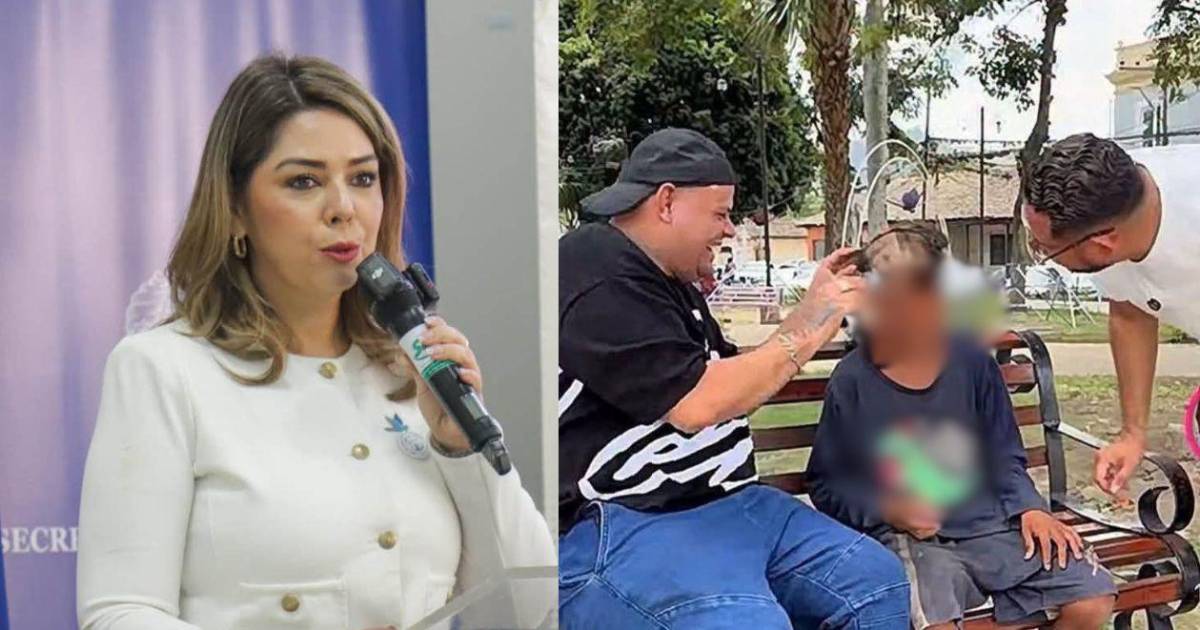
Honduran Official Demands Accountability and Child Protection Following Controversial TikTok Video
Honduran presidential designate María Antonieta Mejía has called for formal legal sanctions against a group of social media content creators who filmed themselves forcibly shaving a minor’s head in exchange for 500 Lempiras. The incident, which has sparked widespread public outcry and a formal review by government authorities, highlights the escalating ethical crisis surrounding influencer-led content production and the exploitation of vulnerable individuals for digital engagement.
The Regulatory Fallout of Viral Exploitation
The incident surfaced when a video depicting the non-consensual act circulated across TikTok, prompting an immediate response from the Honduran government. Presidential Designate María Antonieta Mejía issued a public demand for accountability, emphasizing that the protection of minors must supersede the pursuit of viral metrics. According to government statements, authorities are currently working to identify the specific individuals involved to ensure that legal repercussions are pursued for the violation of the child’s rights.
This event underscores a recurring issue in the creator economy: the prioritization of high-engagement, controversial stunts over basic ethical standards. When digital creators operate without the oversight of a formal studio or agency, the brand equity of the entire influencer sector suffers. In scenarios where a platform’s algorithm incentivizes extreme behavior, the fallout often requires the intervention of Crisis PR and Reputation Management firms to mitigate long-term damage to the individuals involved and the broader digital ecosystem.
Monetization Metrics vs. Ethical Responsibility
The 500 Lempira payout offered in the video serves as a stark example of the “transactional content” model, where creators leverage small financial incentives to coerce participants into humiliating or hazardous situations. Industry analysts note that this form of content creation is fundamentally different from professional production, which is governed by strict union rules, child labor laws, and safety protocols.
In the professional entertainment industry, any production involving minors must adhere to rigorous standards, often involving Specialized Entertainment Legal Counsel to navigate local and international regulations. Without these safeguards, individual creators often find themselves in significant legal jeopardy. The lack of intellectual property (IP) protection and the absence of a structured production hierarchy mean that when a scandal erupts, there is no organizational buffer to manage the public relations catastrophe or the inevitable legal investigation.
The Future of Influencer Accountability
As social media platforms continue to evolve, the distinction between “amateur content” and “professional media” is becoming increasingly blurred in the eyes of the law. Government officials like Mejía are moving toward a framework where content creators are held to the same standards as traditional media outlets. This shift is likely to impact how platforms like TikTok and Instagram police their user base, potentially leading to more aggressive demonetization of creators who engage in predatory or exploitative practices.

For brands and agencies looking to partner with digital talent, the reputational risk associated with unvetted creators has never been higher. Professional firms are now advising clients to conduct deep-background audits on potential partners to avoid being associated with creators who prioritize short-term shock value over sustainable brand growth. The industry is reaching a tipping point where the “Wild West” era of content creation is being rapidly replaced by a demand for professional conduct and ethical oversight.
The path forward for digital creators involves a commitment to professional standards that protect the rights of all participants. For those looking to manage the complexities of modern media, reputation management, and legal compliance, it is critical to consult with industry experts who understand the intersection of digital media and the law. Finding the right partner is the first step in ensuring that creative output remains both impactful and compliant with global safety standards.
Disclaimer: The views and cultural analyses presented in this article are for informational and entertainment purposes only. Information regarding legal disputes or financial data is based on available public records.